Shiba Inu Token Distribution Explained: Holder Analysis

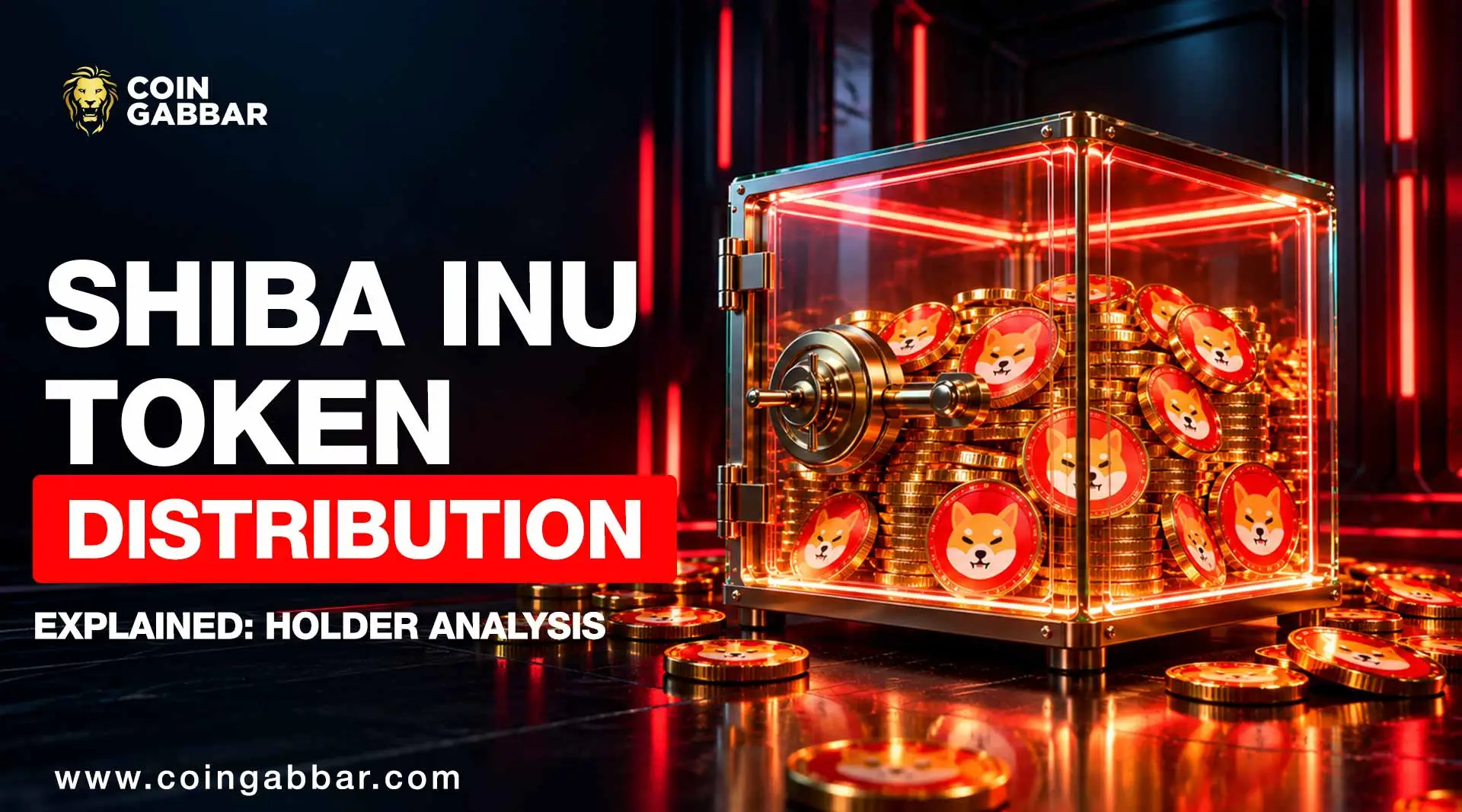
Shiba Inu showed up in 2020 with a supply number that barely made sense to anyone, one quadrillion tokens, dumped straight into the market with no pre-sale, no VC backing, nothing.
That one decision basically shaped everything about how this coin behaves even now. Understanding Shiba Inu token distribution matters way more than most casual holders ever bother to check, because it explains why price moves the way it does, why a handful of wallets carry so much weight, and why burn mechanisms turned into such a huge talking point in the community.
Anyone new to the coin should probably start with What Is Shiba Inu first before digging into the holder data. This piece breaks down the actual Shiba Inu token distribution structure and what the numbers actually reveal once you look past the meme headlines.
The Original Supply and Its Significance
When Shiba Inu launched, its creator sent roughly half the entire supply straight to Ethereum co-founder Vitalik Buterin, a move that instantly turned into crypto folklore. Vitalik later burned the vast majority of those tokens and donated a chunk to charity, permanently reshaping the coin's available supply.
This one event is still one of the most talked-about moments in Shiba Inu token distribution history, since it wiped out an enormous chunk of circulating tokens almost overnight. There's a more beginner-friendly rundown of the coin's origins and mechanics in this Shiba Inu Coin guide too.
How Circulating Supply Has Changed Over Time
Unlike coins with a hard, fixed cap, Shiba Inu's circulating number keeps shifting because of repeated burns rather than any new minting.
Community-run burn wallets, exchange-driven burns, and voluntary holder burns—all of it has chipped away at the total supply bit by bit over time, which is exactly why Shiba Inu token distribution data never really stays static.
Regular burn events chipping away at circulating tokens
Community-run burn portals encouraging people to participate voluntarily
Exchange platforms occasionally throwing in burns of their own
A dedicated burn tracker the dev team keeps maintained
None of these burns have moved price dramatically on their own, but they're still a steady part of the whole long-term story around this coin.
Whale Concentration and What It Means
Here's a concern that comes up constantly in any Shiba Inu token distribution discussion: whale concentration. A relatively small number of wallets hold a disproportionately large slice of the total supply.
Not exactly unique to Shiba Inu either; tons of meme coins share this same pattern, but it does mean price can swing hard if a few big holders decide to move funds at once. Smaller holders tend to keep a close eye on whale wallet activity for exactly this reason.
Exchange Wallets Versus Individual Holders
Not every big wallet is actually one single whale sitting on a mountain of coins. A good chunk of SHIB's supply sits in exchange-controlled wallets, which really represents thousands of individual users holding tokens on centralized platforms instead of personal wallets.
This matters a lot when trying to read Shiba Inu.token distribution data properly, since exchange wallets can look like massive whale holdings on a blockchain explorer even though the actual ownership is spread across way more people than it appears.
This is also where Shiba Inu Wallet Security comes into play, since holding SHIB in a personal wallet versus leaving it on an exchange comes with pretty different risks and responsibilities.
The Role of the Shiba Inu Ecosystem
Token distribution doesn't just sit there in a vacuum separate from everything else the project's doing. The wider Shiba Inu ecosystem includes Shibarium, its own layer-2 network, plus the decentralized exchange ShibaSwap, and both have given holders extra reasons to actually move tokens between wallets instead of just sitting on them passively.
For a deeper technical look at the layer-2 side, this Shiba Inu Shibarium layer 2 guide covers it well, and the ShibaSwap DEX breaks down how the exchange itself handles swaps and liquidity. All that activity adds a bit of noise to raw Shiba Inu token distribution numbers, something analysts have to account for.
Community Control and Decentralization
Part of what makes Shiba Inu token distribution a little unusual compared to venture-backed coins is just how much control actually sits with the community instead of some founding team or early investor group.
The whole approach to Shiba Inu decentralization has shaped how burns get organized, how proposals move forward, and basically how supply decisions get made without one centralized authority calling every shot.
Long-Term Holders Versus Short-Term Traders
Blockchain data lets analysts split wallets by how long they've held tokens, and Shiba Inu shows a pretty clear divide: long-term holders who haven't touched their coins in years versus short-term traders bouncing in and out chasing price momentum.
This split actually matters for understanding real demand versus pure speculation, since a coin dominated by short-term trading behaves very differently from one anchored by a stable base of committed long-term holders.
Why Distribution Data Matters for New Investors
Anyone thinking about getting into SHIB should honestly look at Shiba Inu token distribution data instead of just staring at price charts all day. Heavy whale concentration signals more volatility risk, while a wide, evenly spread holder base usually points to more organic, stable Staying Current on Distribution Trends
demand. Free blockchain explorers make this stuff publicly available, so there's really no excuse to skip this step before putting money in. Anyone curious where the token might head next can also check this Shiba Inu Price Prediction for a sense of the current market outlook.
Holder patterns keep shifting as burns continue and new wallets join the ecosystem, so checking in every once in a while through Shiba Inu News helps keep track of big wallet movements or burn milestones as they happen, especially since network events like the Shibarium reorg fix can directly shift how tokens move around the ecosystem.
Conclusion
Shiba Inu token distribution tells a story price charts alone just can't capture: a weird origin story, notable burns, genuine whale concentration, and a growing ecosystem all pulling supply in different directions at once.
Anyone actually serious about understanding SHIB long-term should look past the meme reputation and actually study how tokens move between wallets, because that data usually says a lot more about the coin's real health than any single price candle ever could.
Disclaimer: This article is written for educational purposes only and shouldn't be taken as financial or investment advice. Cryptocurrency markets carry real risk, and token distribution data should not be treated as a guarantee of future price performance.