BlockDAG Explained: Mainnet Reality vs Promises

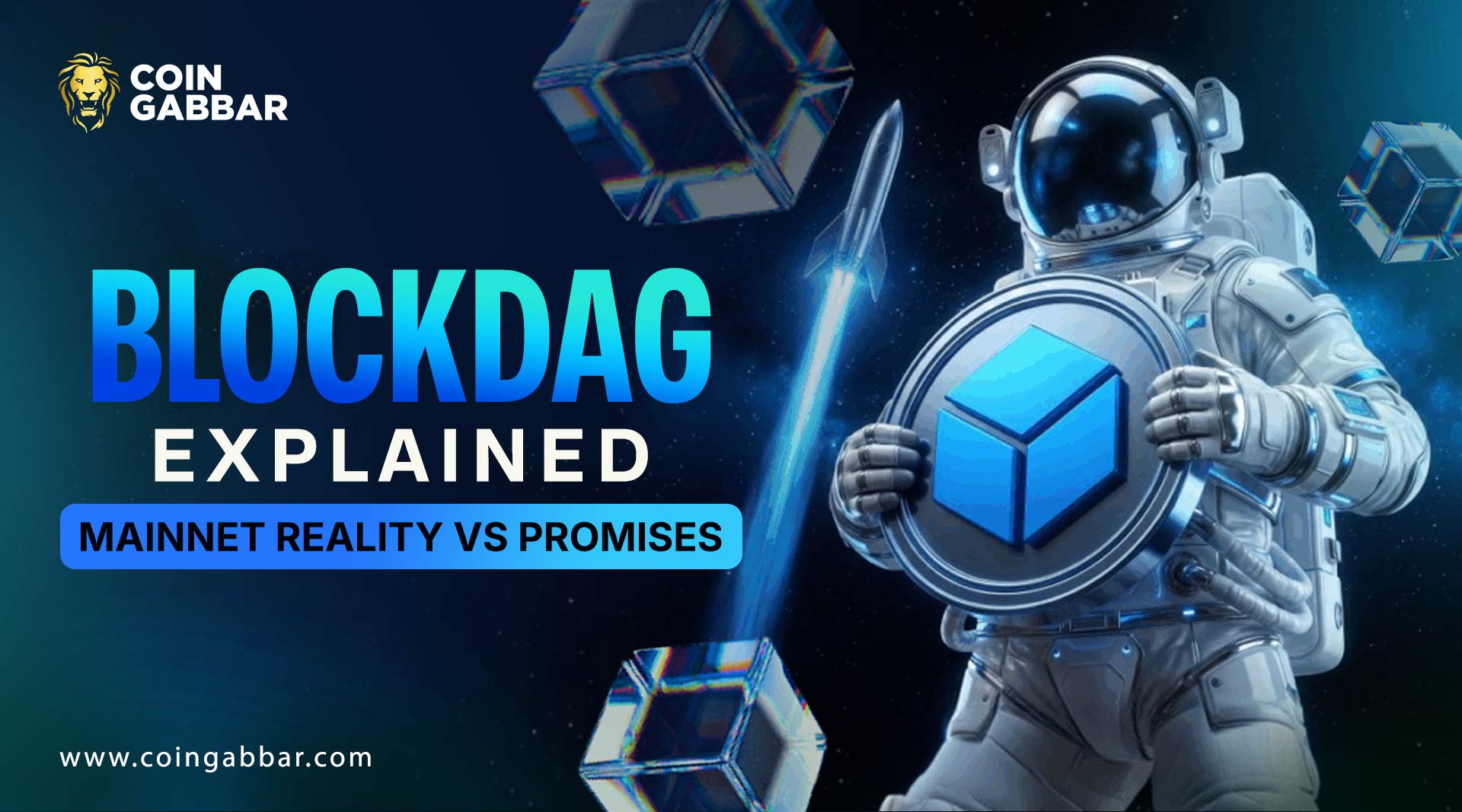
BlockDAG $DAG more than two years old as one of the largest and longest running presales in crypto.
It promised a fast Layer 1 blockchain, physical mining hardware, listings on 20 exchanges, and a launch price that early buyers were told would reward their patience.
As the launch date kept getting pushed back, people started wondering if the mainnet would ever go live and whether the earlier promises would actually be kept. It finally launched in February 2026, with token claims and exchange listings rolling out over the following weeks.
This review covers what BlockDAG explained promised during its presale, what actually got delivered after launch, and where the biggest gaps still sit.
What Is BlockDAG and How Does It Work
BlockDAG describes itself as a Layer 1 blockchain built on a Directed Acyclic Graph structure combined with proof of work. A normal blockchain adds blocks one after another in a single line. A DAG works differently, letting several blocks get confirmed at the same time along separate paths that come back together later.
That is what allows it to handle more transactions per second while still keeping the security proof of work it is known for.
Alongside the network itself, BlockDAG explained built its brand around mobile and physical mining. Users could mine through a smartphone app or buy dedicated mining hardware, with the promise that mined coins would convert into real BDAG tokens once the network launched. The concept combined a technical pitch with a mining community, which helped it draw a large base of retail buyers during the presale.
A few core features as per official doc define how the network is designed to work.
-
A Directed Acyclic Graph structure that lets multiple blocks confirm at the same time instead of one at a time
-
Proof of work consensus, meant to keep the same security model as established blockchains
-
Mobile app based mining alongside dedicated physical mining hardware
-
Support for smart contracts and decentralized applications
-
A design aimed at higher transaction throughput compared to a single crypto Blockchain
Key Promises Made During the Presale
-
A mainnet launch originally targeted for June 2025
-
Listings on 20 different cryptocurrency exchanges
-
A stated launch price of around 0.05 dollars per token
-
Physical X Series mining hardware shipped to buyers
-
Sponsorship deals with well known football clubs to build credibility
-
A presale that eventually reported raising over 440 million dollars
These promises were repeated across marketing materials, community updates, and presale batches, with the price per token rising in each new batch as a reason to buy early.
How BlockDAG Worked for Users
A buyer would join the presale, pick a batch, and pay whatever price that batch was set at. From there they could mine through the mobile app or order physical hardware, and the dashboard tracked both mined coins and presale holdings together.
The promise was simple, everything would convert into real BDAG tokens once the mainnet launched. Referral links and rising batch prices kept pushing people to buy early and keep buying before the next price jump.
Mainnet Reality: What Actually Happened
The June 2025 launch date passed with no mainnet. A second target in August 2025 also passed without delivery.
Instead of a full mainnet, BlockDAG rolled out an Awakening Testnet in September 2025, followed by a transition phase it called Genesis Day in November 2025.
The mainnet finally went live in February 2026, close to eight months after the original date. Even then, exchange trading did not begin immediately and was pushed to early March 2026, with listings appearing gradually across a handful of exchanges rather than the 20 that had been promised.
Once trading opened, the launch price came in far below what presale marketing had suggested, and a large share of presale tokens were locked under a multi year vesting schedule, which caught many early buyers off guard.
On top of that, an independent investigation documented reports of undelivered mining hardware, unpaid staff, and sponsorship agreements that were never fully paid, along with a gap between the funds the project claimed to have raised and figures cited by its own leadership.
A separate on-chain investigator has also raised allegations about how a portion of presale funds may have moved.
BlockDAG: Promises vs Reality
| Promise Made | What Actually Happened |
| Mainnet launch in June 2025 | Mainnet did not go live until February 2026 |
| Listings on 20 exchanges | Only a small number of exchanges listed the token at launch |
| Launch price near 0.05 dollars | Actual trading opened far below that level |
| Full token access at launch | Most presale tokens locked under long term vesting |
| Physical mining hardware delivered on schedule | Independent reporting found hardware delivery delays and shortfalls |
| Transparent use of presale funds | Independent investigation found unanswered questions about the funds raised |
Red Flags Worth Understanding
-
Repeated delays: the mainnet slipped past its original date by roughly eight months
-
Vesting surprise: a large portion of tokens stayed locked well after launch, despite marketing that implied otherwise
-
Independent investigation: documented reports of missing hardware, unpaid staff, and sponsorship defaults
-
Fund discrepancy: a gap between the amount claimed as raised and figures cited by the project's own leadership
-
Leadership questions: reports have raised questions about who is actually behind the project
Transparency and Investigation Angle
As of this writing, the investigation into BlockDAG's finances remains active, and a notice referencing it has stayed visible on the project's public listing page on at least one major data tracking site.
BlockDAG's team has denied wrongdoing but has not published a detailed, documented rebuttal to the specific findings.
Anyone evaluating the project should treat unresolved, documented questions about missing hardware and fund transparency as a serious factor.
Final Thoughts
BlockDAG shows a real gap between what was promised during the presale and what has actually shown up after launch. The technology itself is not the main issue, since independent audits of the code exist.
The bigger concern sits around delivery, transparency, and an investigation that the team has not fully answered.
Anyone still holding BDAG or considering it should treat the unresolved questions as seriously as the technical pitch, read primary reporting directly, and avoid treating marketing claims as confirmed facts until the project provides clear, documented answers.
Disclaimer
This article is meant for information only, not financial, investment, or legal advice. Crypto projects move fast, and details around presales, launches, and investigations can change without much notice. Do your own research and talk to a qualified professional before making any money decisions.




.jpg)




