Best Crypto Wallets for Staking in 2026: Top Choices for Investors


What Makes Crypto Wallets for Staking Different From Regular Wallets?
Staking has become one of the easiest ways to earn passive rewards from crypto you already hold, but the wallet you use to do it matters just as much as the coin itself. Picking from the best crypto wallets for staking isn't just about convenience it affects your security, your control over your keys, and how smoothly your rewards actually show up.
This guide walks through five well-known wallets: Trust Wallet, Exodus, Phantom, Ledger, and Trezor, covering what each one does, how it handles staking, and which type of user it fits best.
Key Takeaways
Software wallets like Trust Wallet, Exodus, and Phantom offer convenient, app-based staking for everyday use.
Hardware wallets like Ledger and Trezor keep your private keys offline, adding a stronger layer of protection for larger holdings.
The right choice depends on how much you're staking and how much control you want over your private keys.
What Is a Crypto Wallet, Exactly?
A crypto wallet doesn't actually "store" coins the way a bank vault holds cash. Instead, it stores the private keys that prove ownership of your assets on the blockchain. Software wallets keep those keys on an internet-connected device, while hardware wallets keep them on a separate physical device, offline.
Both types can support crypto staking-wallets functionality, but the way they handle security is very different, which is exactly why this list includes both categories.
What Is Staking, and Why Does Wallet Choice Matter?
It means locking up a proof-of-stake cryptocurrency to help secure its network, in exchange for staking-rewards paid out over time. It's become a popular way to grow holdings without actively trading.
Not every vault supports staking directly, and among those that do, the process can look very different some handle it with a single tap inside the app, others require connecting to a third-party validator or exchange. That's why finding genuinely staking-friendly wallets takes a bit more digging than picking whichever app looks the simplest.
Software Wallets: Convenience-First Staking
Software wallets run as mobile apps or browser extensions, making them the most accessible entry point for most people exploring crypto staking. They're free to use and quick to set up, though your keys stay on an internet-connected device.
1. Trust Wallet
Trust Wallet is a multi-chain mobile and browser vault, available through its official website, supporting a wide range of blockchains in one app. It's built for people who want to manage multiple assets, browse Web3 apps, and stake supported coins without leaving a single interface.
Features:
Supports staking directly within the app for several proof-of-stake coins.
Multi-chain support lets you manage many assets from one vault.
Built-in Web3 browser for connecting to decentralized apps.
Non-custodial design, meaning you control your own private keys.
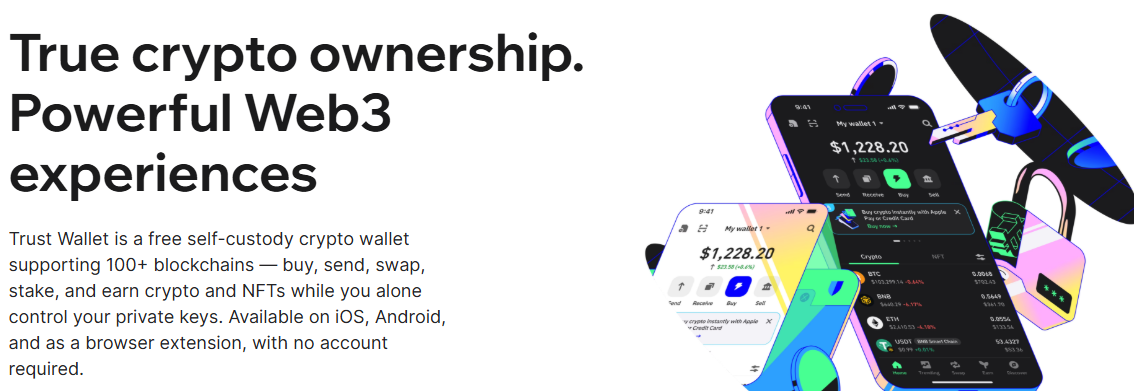
Trust Wallet is a solid pick for anyone comparing the best vault for staking-crypto without wanting to juggle several separate apps.
2. Exodus
Exodus is a multi-asset wallet built around an unusually clean, beginner-friendly interface for both desktop and mobile. It combines a built-in exchange with staking-support for several major coins, making it easy to move between holding and earning rewards.
Features:
Simple, visual interface designed for newcomers to crypto.
Built-in exchange for swapping assets without leaving the app.
Staking-support for select coins directly through the wallet.
Optional integration with hardware-wallets for extra security.

Source: Exodus website
For anyone searching out best staking-wallets for beginners, Exodus stands out for how little setup it demands before you're ready to go.
3. Phantom
Phantom started as a Solana-focused wallet and has since expanded to support additional chains. It's especially popular among users active in the Solana ecosystem, offering fast, low-cost-staking directly inside the app.
Features:
Native support for staking-Solana directly within the vault.
Fast, intuitive interface built for quick transactions.
Browser extension and mobile app, both non custodial.
Strong presence in the Solana NFT and DeFi ecosystem.

Source: Phantom wallet
Phantom is one of the more recognizable top staking wallets for anyone already active in the Solana network specifically.
Hardware Wallets: Security-First Staking
Hardware-wallets store your private keys on a dedicated physical device, disconnected from the internet except during an active transaction. This makes them a common choice among the safest crypto wallets, especially for larger holdings.
4. Ledger
Ledger, available at ledger.com, is one of the most established hardware vault brands, offering physical devices paired with its Ledger Live software. Crypto rewards are managed through the companion app, while your private keys stay isolated on the hardware device itself.
Features:
Private keys never leave the physical device.
Ledger Live app supports managing-staking for multiple supported assets.
Compact, portable hardware designed for long-term cold storage.
Regularly updated firmware to address emerging security needs.
For anyone specifically comparing the best hardware vault for staking-crypto, Ledger remains one of the most widely recognized names in that space.
5. Trezor
Trezor was among the first hardware-wallets on the market and continues to emphasize an open-source approach to security. It pairs with Trezor Suite software, letting users manage assets and connect to staking-services while keeping keys offline.
Features:
Open-source firmware, allowing independent security review.
Physical device confirmation required for every transaction.
Long-standing reputation as one of the earliest hardware vault brands.
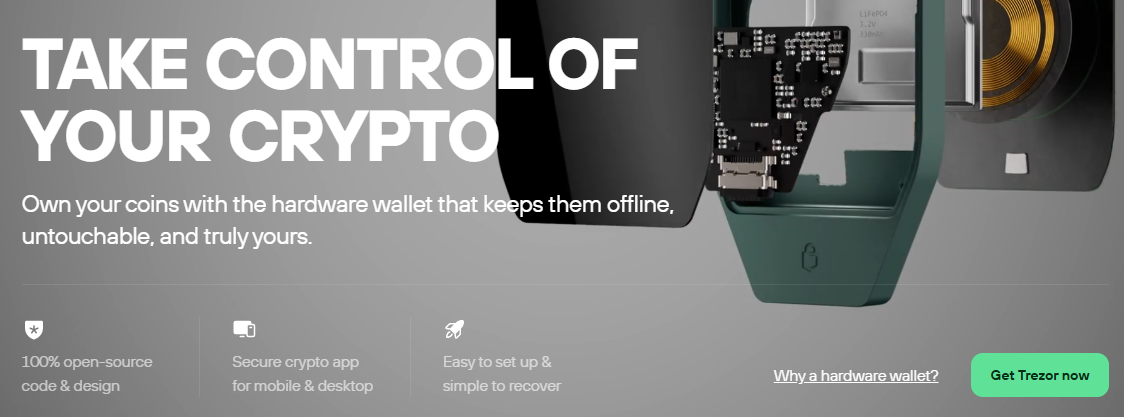
Trezor's transparent, open-source model makes it a strong match for anyone prioritizing best vault for crypto rewards through a security-first setup.
Quick Comparison
Wallet | Type | Best For |
Trust Wallet | Software | Multi-chain staking in one app |
Exodus | Software | Beginner-friendly |
Phantom | Software | Solana-focused |
Ledger | Hardware | Cold storage |
Trezor | Hardware | Open-source, security-first staking |
What Makes Crypto Wallets for Staking Different From Regular Wallets?
A regular wallet only needs to send, receive, and hold assets. A staking-ready vault does more it connects to a blockchain's validator network, locks your tokens into a staking-contract, and tracks the rewards you earn over time.
Not every vault is built for this. Some only support basic transfers and expect you to use a separate exchange or app for crypto yield. The wallets on this list stand out because they build directly into the experience, instead of treating it as an extra step somewhere else.
How to Choose the Right Wallet for You
A few quick questions can help narrow things down fast:
How much are you staking? Larger amounts generally justify the added security of a hardware wallet.
How often do you need access? Software-wallets offer quicker, more frequent access for smaller, active positions.
How comfortable are you managing your own keys? Beginners may prefer the simpler onboarding of software options first.
Final Thoughts
There's no single winner among the best crypto-wallets for staking in 2026 each one fits a different kind of user. Trust Wallet, Exodus, and Phantom make staking approachable for everyday use, while Ledger and Trezor add a stronger security layer for anyone holding larger amounts long-term. Whichever you choose, always download directly from their official websites and double-check terms before locking up any assets.
Disclaimer
This article is for informational purposes only and isn't financial advice. Wallet features, supported assets, and staking options can change, so verify current details on each wallet's official website before use. Cryptocurrency carries risk, including potential loss of funds, and rewards aren't guaranteed.