Best Crypto Wallets 2026: Latest News, Reviews & Security Guides
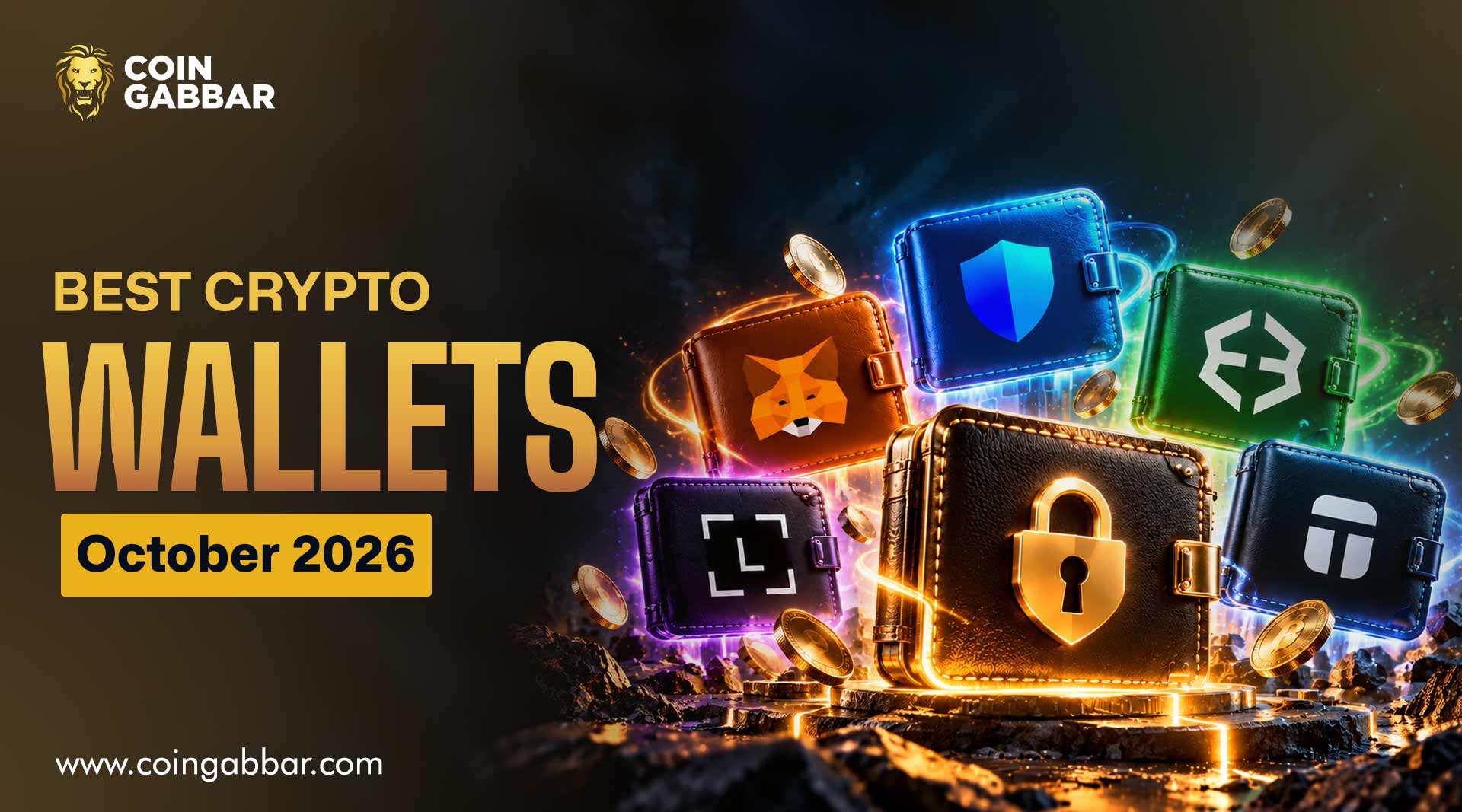
Explore crypto wallet guides, reviews, security updates, comparisons, and Web3 wallet trends for 2026. Learn how different wallets work and what to check before using one to manage Bitcoin, Ethereum, stablecoins, altcoins, NFTs, or DeFi assets.






.webp)



What Is a Crypto Wallet?
A crypto wallet is a digital tool that helps users manage the keys needed to access cryptocurrency on a blockchain. The wallet does not store coins in the same way a physical wallet stores cash. Instead, it helps users control and use digital assets linked to their blockchain address.
A wallet can be used to receive crypto, send transactions, check balances, connect with decentralized apps, manage NFTs, and use DeFi services.
This page helps beginners, traders, long-term holders, NFT users, and DeFi users understand wallet types, security risks, new features, and important wallet updates in simple language.
How Crypto Wallets Work
Crypto wallets use a few basic parts. Understanding them can help users avoid common mistakes.
| Wallet Element | What It Means | Safety Rule |
|---|---|---|
| Wallet Address | The address used to receive crypto | Check the address and network before sending |
| Private Key | A secret key that controls wallet access | Never share it |
| Seed Phrase | A recovery phrase used to restore a wallet | Keep it private and offline |
| Network | The blockchain used for a transaction | Make sure the sending and receiving networks match |
Users who want a deeper explanation can read What is a crypto wallet before choosing a wallet.
Types of Crypto Wallets
There is no single wallet type that is best for every user. The right choice depends on how often the wallet is used, which assets are needed, and how much control the user wants.
| Wallet Type | Connection | Common Use | Main Risk |
|---|---|---|---|
| Hardware Wallet | Mostly offline | Long-term crypto storage | Device loss or poor backup |
| Mobile Wallet | Online | Daily transactions | Phone loss, malware, or phishing |
| Desktop Wallet | Online | Computer-based asset management | Malware or device attacks |
| Browser Wallet | Online | DeFi, NFTs, and dApps | Fake extensions and phishing |
| Exchange Wallet | Online | Trading and quick access | The service controls the keys |
| Paper Wallet | Offline | Offline key storage | Loss, damage, or setup mistakes |
Hot Wallets vs Cold Wallets
A hot wallet is connected to the internet. Mobile, desktop, browser, and many exchange wallets are hot wallets. They can be easier to use for daily crypto activity, but being online can increase exposure to scams and attacks.
A cold wallet keeps private keys offline most of the time. Hardware wallets are the most common example. Cold storage may be useful for assets that do not need to be moved often.
Neither choice removes all risk. Users still need safe backups, trusted software, and careful transaction checks.
Custodial vs Self-Custody Wallets
A custodial wallet is managed by another service, such as a crypto exchange. The service normally controls the private keys.
A self-custody wallet gives the user direct control of the wallet keys. This gives more control, but it also gives the user more responsibility. Losing the recovery phrase may mean losing access to the wallet.
How to Choose the Best Crypto Wallet
The best crypto wallet depends on what the user wants to do. A long-term holder may need different features from a trader, NFT collector, or DeFi user.
Before choosing a wallet, check its security tools, supported networks, backup method, device support, and reputation.
Crypto Wallet Features to Check
| Feature | Why It Matters |
|---|---|
| Private Key Control | Shows who controls access to the assets |
| Supported Networks | Shows which blockchains the wallet can use |
| Backup and Recovery | Helps users restore wallet access |
| Hardware Wallet Support | Can add offline protection for some users |
| DeFi and dApp Access | Allows users to connect with Web3 services |
| NFT Support | Helps users view or manage digital collectibles |
| Security Alerts | May warn users about risky transactions or sites |
| Update History | Shows whether the wallet receives regular fixes |
Choose a Wallet Based on Your Use
A simple way to narrow the choices is to start with the main reason for using the wallet.
| User Type | Wallet Type to Research | Main Need |
|---|---|---|
| Beginner | Mobile or simple software wallet | Easy setup |
| Active Trader | Hot or exchange wallet | Fast access |
| Long-Term Holder | Hardware wallet | Offline key storage |
| DeFi User | Browser or Web3 wallet | dApp access |
| NFT User | NFT-supported wallet | Collectible management |
| Multi-Chain User | Multi-chain wallet | More network support |
Crypto Wallet Security Tips
Security should be one of the first things users check before choosing or using a wallet. Phishing pages, fake wallet apps, unsafe browser extensions, leaked seed phrases, and wrong-network transfers can put digital assets at risk.
Users should protect your digital assets by checking every wallet action carefully.
Simple Wallet Safety Rules
- Never share a seed phrase or private key.
- Download wallet apps only from official sources.
- Check website addresses before connecting a wallet.
- Review the network before sending crypto.
- Check the full receiving address before a transfer.
- Keep wallet software and devices updated.
- Use strong device security.
- Review wallet permissions and token approvals.
- Keep recovery information in a safe offline place.
- Do not trust messages that ask for wallet secrets.
Common Crypto Wallet Mistakes
| Mistake | Possible Risk | Safer Step |
|---|---|---|
| Sharing a seed phrase | Loss of wallet control | Never share recovery words |
| Using a fake wallet app | Asset theft | Use official download sources |
| Sending on the wrong network | Funds may be difficult or impossible to recover | Check both networks first |
| Ignoring software updates | Old security problems may remain | Install verified updates |
| Clicking unknown wallet links | Phishing or harmful approvals | Verify the source first |
| Poor backup | Loss of wallet access | Store recovery details safely |
Latest Crypto Wallet News and Updates
Crypto wallet technology changes often. New versions may add network support, security fixes, better recovery tools, new DeFi features, NFT tools, or changes to the user interface.
Following wallet updates can help users understand whether a change affects security, supported assets, dApp access, or the way transactions are approved.
Wallet Developments to Watch in 2026
Important wallet topics in 2026 include smart wallets, account abstraction, multi-chain support, social recovery, biometric approvals, scam warnings, hardware wallet integration, and simpler Web3 onboarding.
- Smart contract wallets
- Account abstraction
- Multi-chain asset management
- Social recovery tools
- Biometric authentication
- Transaction simulation
- Phishing and scam alerts
- Hardware wallet support
- Built-in swaps and DeFi tools
- NFT and gaming support
New features can make a wallet easier to use, but users should still check how the feature works and whether it changes wallet permissions or security.
Crypto Wallet Security Alerts
Wallet security alerts can help users learn about new scams, fake apps, harmful browser extensions, phishing websites, or risky wallet approvals.
Common threats include:
- Fake crypto wallet apps
- Phishing websites
- Malicious browser extensions
- Fake crypto airdrops
- Scam token approvals
- Malware
- Fake support accounts
- Seed phrase theft
A wallet alert should be treated as a reason to verify the issue, not as a reason to panic. Users should check official wallet channels before making changes.
Crypto Wallet Reviews and Comparisons
Crypto wallet reviews can help users compare wallet security, supported assets, ease of use, fees, recovery tools, and Web3 features.
A review should explain both strengths and limits. No wallet should be called safe only because it is popular.
What to Check in a Wallet Review
| Review Factor | What to Check |
|---|---|
| Security | Key control, recovery method, security tools, and past issues |
| Ease of Use | Setup, navigation, and transaction process |
| Asset Support | Coins, tokens, NFTs, and supported networks |
| Backup Options | Recovery phrase or other recovery methods |
| Fees | Swap fees, service fees, and network fee display |
| Web3 Support | dApps, staking, swaps, and other blockchain tools |
| Reputation | Project history, user reports, and security response |
Do Not Choose a Wallet by Popularity Alone
A popular wallet may still be the wrong choice for a certain user. One wallet may work well for Ethereum but not meet the needs of a Solana user. Another may be useful for trading but less suitable for long-term storage.
Users should compare wallet type, supported chains, security model, recovery method, and intended use before making a choice.
Crypto Wallets for DeFi, NFTs and Web3
Modern wallets can do more than send and receive coins. Many wallets can connect with decentralized exchanges, NFT platforms, blockchain games, staking tools, lending apps, and other Web3 services.
This extra access can be useful, but every wallet connection may create new risk. Users should check which permissions a dApp requests before approving a transaction.
Multi-Chain and Web3 Wallets
A multi-chain wallet can support assets from more than one blockchain. This may help users manage several crypto networks in one place.
However, users should still make sure the correct network is selected before sending funds. A token name may look the same across different networks, but the blockchain used for the transfer still matters.
Wallet Updates and Maintenance
Wallet updates may include security patches, bug fixes, new blockchain support, performance changes, and new Web3 tools.
Users should download updates only through trusted wallet sources or official app stores. Fake update messages can be used to spread harmful software.
Why Wallet Updates Matter
Keeping a wallet up to date can help users receive important security and compatibility fixes. It may also prevent problems when a blockchain or dApp changes how it works.
Before installing an update, users should check that it comes from the real wallet provider.
Crypto Wallet Rules and User Responsibility
Crypto wallet rules can vary by country and by wallet type. Custodial services may have identity checks or other account rules, while self-custody wallets work differently.
Users should check the rules that apply in their own location and understand whether a wallet provider controls their assets or only gives them software to manage their own keys.
Wallet security, tax rules, and crypto regulations can change. Users should rely on current official information when making legal, tax, or financial decisions.
Crypto Wallet Trends to Watch
The future of crypto wallets may focus on making blockchain tools easier to use without removing important security checks.
Areas to watch include:
- AI-based scam detection
- Smart wallet recovery
- Biometric transaction approval
- Gasless or sponsored transactions
- Cross-chain asset management
- Better transaction previews
- Wallet-based digital identity
- DeFi automation
- Real-world crypto payments
New tools may improve the wallet experience, but users should still understand who controls the private keys and what happens when a transaction is approved.
Best Practices for Crypto Wallet Users
A safe wallet setup starts with simple habits. Choose a wallet that fits your needs, understand its recovery process, and keep sensitive information private.
- Research the wallet before installing it.
- Check who controls the private keys.
- Use the correct blockchain network.
- Keep recovery details private and secure.
- Review transactions before signing.
- Check wallet permissions often.
- Follow verified wallet security updates.
- Do not connect a wallet to unknown sites.
Users who need more detail about recovery phrases can also study wallet security before creating or restoring a self-custody wallet.
Conclusion
Crypto wallets are a key part of using Bitcoin (BTC), Ethereum, stablecoins, NFTs, DeFi, and other blockchain services. The right wallet depends on the user's goals, preferred networks, security needs, and level of experience.
Instead of choosing a wallet only by name or popularity, compare its security model, supported assets, recovery method, features, and risks. Follow current wallet updates and security alerts, and never share a seed phrase or private key.
Disclaimer
This content is for educational and informational purposes only. It is not financial, investment, legal, or tax advice. Crypto wallets, digital assets, DeFi tools, and blockchain transactions can involve risk. Always verify official wallet sources, review transaction details, protect your private keys and recovery phrase, and do your own research before using any crypto wallet or Web3 service.




