Hot Wallet vs Cold Wallet: A Complete Guide to Crypto Storage Security

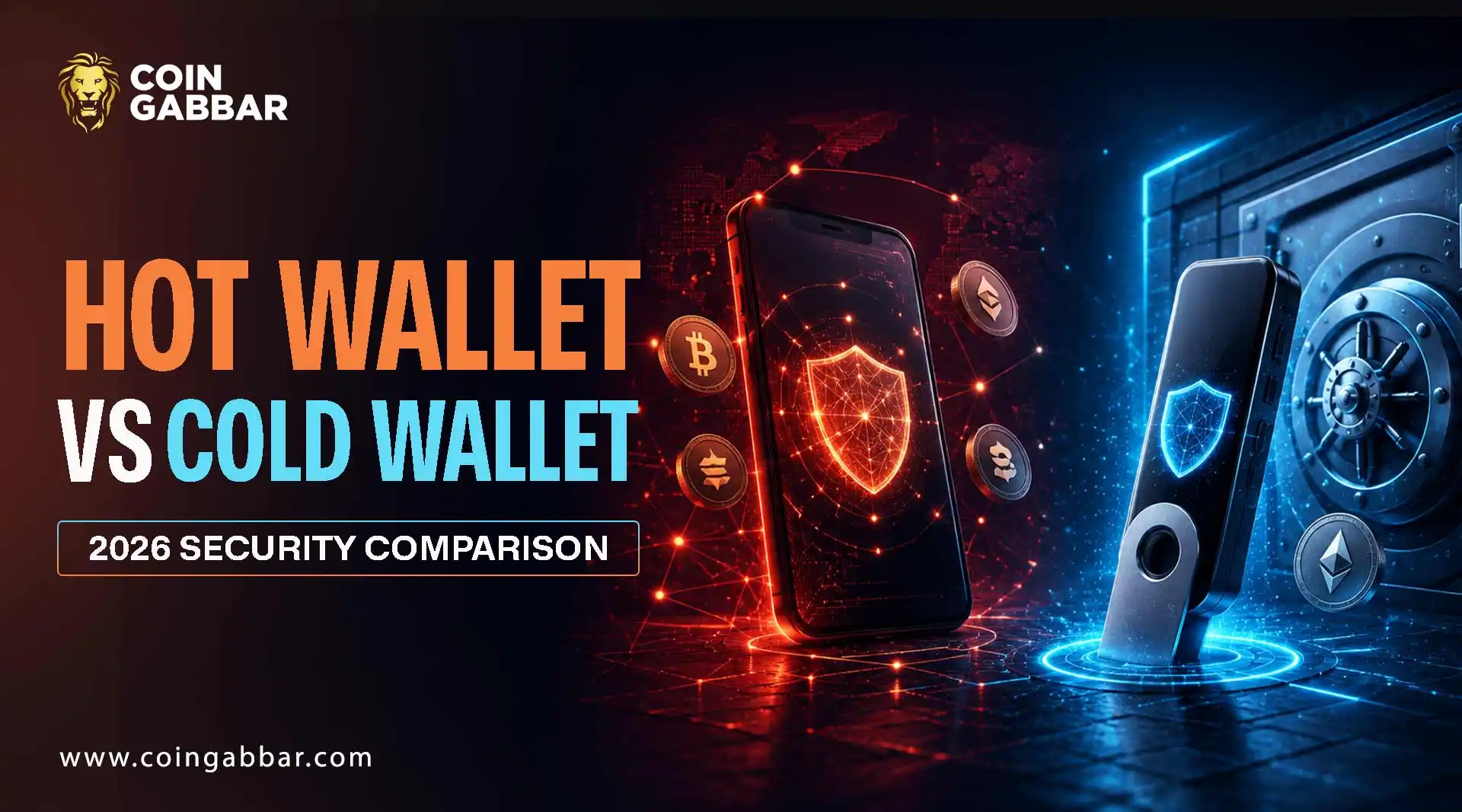
Hot Wallet vs Cold Wallet: Which Is Safer for Long-Term Crypto Storage
Losing access to a crypto wallet is one of the most common regrets in this space. Most of the time, it comes down to one simple choice made early on: which type of wallet to trust with your funds.
That's exactly why understanding hot wallet vs cold wallet security matters so much heading into 2026. Both options let you store and manage crypto, but they work in completely different ways, and each comes with its own trade-offs.
This guide breaks both down individually first, then compares them side by side across the areas that actually matter: security, convenience, and cost.
What Is a Hot Wallet?
A hot-wallet is any crypto wallet that stays connected to the internet. Think mobile apps, browser extensions, or exchange accounts you log into online.
Because it's always connected, a hot-wallet makes sending and receiving crypto fast and simple. You can trade, swap, or transfer funds within seconds, right from your phone or laptop.
That constant connection is also its biggest weakness. Anything connected to the internet is a potential target for hackers, phishing attempts, or malware. Hot wallets are best suited for smaller amounts you plan to use actively, not long-term savings.
Common examples of hot wallets:
MetaMask (browser extension and mobile app)
Trust-Wallet (mobile app)
Coinbase-Wallet (mobile and browser app)
Exodus (desktop and mobile app)
Exchange-based wallets, like the vault inside your Binance or Coinbase account
These all share one trait: they're accessible through an app or browser, and they connect to the internet every time you open them.
What Is a Cold Wallet?
A cold vault stores your crypto completely offline. Common examples include hardware devices like USB-style wallets, or even paper wallets with keys written down physically.
Since a cold vault never connects to the internet during storage, it's far harder for hackers to reach remotely. Your private keys stay isolated from online threats at all times.
The trade-off is convenience. Sending funds from a cold vault usually takes a few extra steps, since you need to physically connect the device or manually sign transactions. It's not built for quick, frequent trading. It's built for safety.
Common examples of cold wallets:
Ledger Nano S Plus and Ledger Nano X (USB hardware devices)
Trezor Model One and Trezor Model T (USB hardware devices)
Paper wallets (private keys printed or written on physical paper)
Air-gapped devices, which never connect to any network at all
If it's a physical device you plug in only when needed, or something that never touches the internet at all, it's a cold-wallet.
Hot Wallet vs Cold Wallet: Security Comparison
Security is where the real difference shows up. Hot-wallets are exposed to online risks around the clock, simply because they're always connected. A single phishing link or compromised app can put funds at risk.
Cold-wallets remove that exposure almost entirely. Since the private keys never touch the internet, remote hacking becomes nearly impossible. The main risk shifts to physical security instead, like losing the device or forgetting a recovery phrase.
For anyone doing a serious hot vault vs cold vault 2026 security review, this is the core takeaway: hot-wallets trade safety for speed, while cold-wallets trade speed for safety.
Hot Wallet vs Cold Wallet: Convenience Comparison
Convenience flips the script entirely. Hot wallets win here, hands down. Opening an app and sending funds takes seconds, making them ideal for everyday transactions, trading, or using decentralized apps.
Cold wallets require more effort. You typically need the physical device on hand, plus a few extra confirmation steps before any transaction goes through. That friction is intentional. It's a built-in safeguard against impulsive or unauthorized transfers.
If you're comparing hot wallet vs cold-wallet today purely on ease of use, hot-wallets are the clear winner for anyone who trades or spends crypto regularly.
Hot Wallet vs Cold Wallet: Cost Comparison
Hot-wallets are usually free. Most exchange and mobile wallet apps cost nothing to download and use, making them accessible to anyone starting out.
Cold wallets typically involve an upfront cost, since hardware devices need to be purchased. Prices vary depending on the brand and features, but this is a one-time cost rather than an ongoing fee in most cases.
For beginners testing the waters, that cost difference matters. But for anyone holding significant value long term, the one-time price of a cold-wallet is often viewed as a reasonable trade-off for stronger security.
Quick Comparison Table
Factor | Hot Wallet | Cold Wallet |
Internet Connection | Always connected | Offline |
Security Level | Lower, exposed to online threats | Higher, isolated from remote hacks |
Speed of Transactions | Fast, instant access | Slower, extra steps required |
Best For | Everyday use, active trading | Long-term storage, savings |
Typical Cost | Usually free | One-time hardware cost |
Physical Risk | Low | Higher, device loss or damage |
Which One Should You Actually Use?
For most people, the honest answer isn't picking just one. A hot-wallet guide for 2026 would typically recommend keeping a small, spendable amount in a hot vault for everyday use, while storing the bulk of your holdings in a cold-wallet for safety.
This approach mirrors how people handle cash and savings accounts in traditional finance. You don't carry your entire net worth in your pocket, and the same logic applies here.
A Few Security Key Levels Worth Knowing
Regardless of which vault type you choose, a few baseline habits matter more than the vault itself. Enable two-factor authentication wherever it's offered, especially on hot-wallets and exchange accounts. Never share your seed phrase with anyone, and avoid storing it as a plain text file or photo on your phone.
For cold wallets, always buy hardware devices directly from the manufacturer or an authorized reseller. Third-party sellers sometimes tamper with devices before resale, which defeats the entire purpose of going cold in the first place.
What to Know Before Making a Decision
If you're still weighing the hot-wallet vs cold-wallet decision, start by being honest about how you actually use crypto. Frequent traders lean naturally toward hot wallets for convenience. Long-term holders benefit far more from the added protection a cold-wallet provides.
Many experienced users end up using both, splitting funds based on purpose rather than picking a single solution for everything. That kind of layered approach tends to hold up best over time.
Final Thoughts
There's no universal winner in the hot vault vs cold vault debate, only the right fit for how you use crypto. Hot-wallets offer speed and convenience for daily use, while cold wallets offer stronger protection for savings you don't plan to touch often.
Whichever path you choose heading into 2026, the safest strategy is usually a mix of both, matched to how you actually spend, trade, and hold your crypto.
Disclaimer
This article is for informational and educational purposes only and does not constitute financial or investment advice. Cryptocurrency security practices should be tailored to individual needs, and no storage method is entirely risk-free. Please conduct your own research and consider consulting a security professional for guidance specific to your situation.
Also read: