Zcash Exchange Support Explained: What Users Should Know

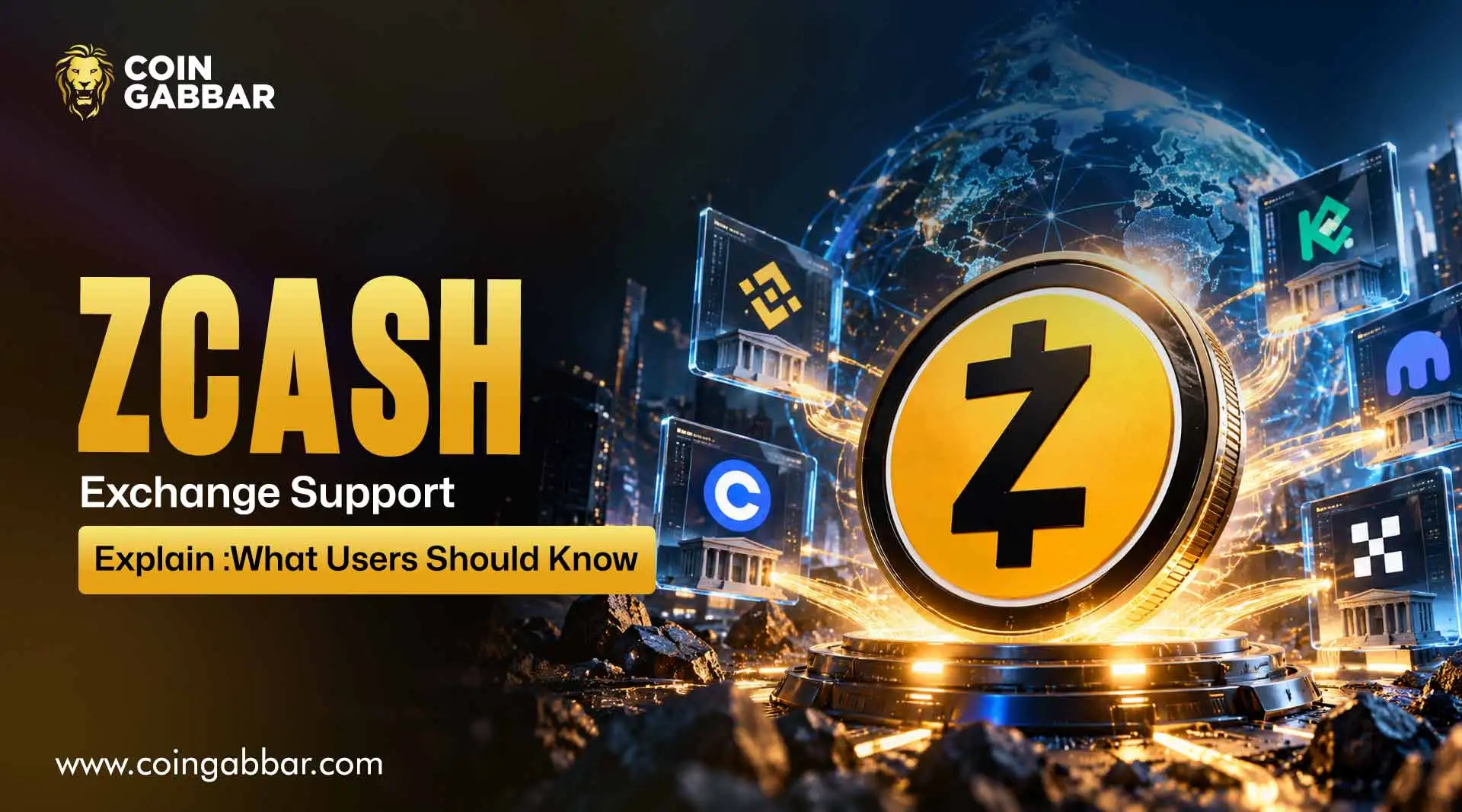
Anyone who has held ZEC for more than a couple of years has probably noticed something odd. The coin keeps getting pulled off exchanges, then quietly shows back up later like nothing happened.
Zcash exchange support has honestly had a rockier ride than almost any other major cryptocurrency out there, and it's not really because of anything wrong with the coin itself. It comes down to one feature: optional privacy.
This article gets into why Zcash exchange support keeps swinging back and forth, what usually triggers a delisting, and what anyone holding or trading ZEC should actually keep in mind going forward. Anyone completely new to the coin can start with this primer on what Zcash is before digging into the exchange side of things.
Why Zcash Exchange Support Is Different
Most cryptocurrencies lay every transaction out in the open on-chain, so compliance teams at exchanges can check things fairly easily. ZEC doesn't quite play by that rule.
It gives users the option to send fully shielded transactions that hide the sender, the receiver, and even the amount involved. That one design choice is really what makes Zcash exchange support such a moving target.
Regulators keep circling back to that feature, and every time they raise concerns, it ends up shaping which platforms decide to keep ZEC listed and which ones decide it's not worth the hassle. The official Zcash website describes this shielded technology as the core reason the project exists in the first place, not an afterthought bolted on for marketing.
A History of Repeated Delistings
Honestly, at this point Zcash exchange support has been pulled and restored so many times it's almost become a running theme in the coin's story. Most of it traces back to shifting regulatory pressure rather than any real problem with how Zcash actually functions.
Coincheck delisted Zcash back in 2018 after Japan's Financial Services Agency told them to tighten up their processes
Coinbase UK dropped ZEC support in 2019, even though the Electric Coin Company publicly confirmed Zcash was fully compliant with UK rules at the time
ShapeShift, oddly enough an early investor in the Electric Coin Company, cut ties with Zcash in 2020 over regulatory risk
Liquid delisted ZEC in 2020 specifically to help secure a license to operate in Singapore
Bittrex removed Zcash in 2021 along with a batch of other privacy coins
OKX delisted Zcash in early 2024, only to reverse that decision and relist it in November 2025
Look at that timeline, and a pattern jumps out pretty quickly. Zcash exchange support tends to respond to whatever a specific country's regulators are pushing at any given moment, not some single global rulebook everyone follows.
Why Regulators Keep Targeting Privacy Coins
At the root of most Zcash exchange support headaches sits the same worry regulators have had for years: could shielded transactions be used to hide money laundering or dodge sanctions? That fear keeps showing up in policy discussions again and again.
Coverage from Blockworks pointed out that this tug of war between privacy as a genuine value and the compliance demands regulators keep piling on has repeatedly landed Zcash, Monero, and Dash on the same delisting lists together, even though the actual technology behind each of these coins is pretty different.
The Electric Coin Company's Response
Through all of this back and forth, the Electric Coin Company has stayed pretty consistent in pushing back against the idea that ZEC deserves this kind of treatment.
They've stated more than once that Zcash is fully compatible with anti-money laundering and knows your customer requirements, and they've pointed out something people often overlook: most ZEC transactions historically have actually gone through transparent addresses, not shielded ones.
Part of that transparency push traces back to the Zcash Sapling upgrade, which made shielded transactions faster and easier to use, encouraging more people to actually adopt the privacy features responsibly rather than avoiding them out of inconvenience. So the picture painted by some regulators doesn't always match how the coin gets used day to day.
Recent Security Concerns Adding Pressure
As if regulatory pressure wasn't enough, Zcash exchange support took another hit in 2026 when a serious vulnerability turned up in the network's Orchard shielded pool.
It got patched before anyone could actually exploit it, which is the good news, but it still spooked the market and contributed to a noticeable price pullback. Around the same period, Zcash News coverage also flagged confusion around an unofficial ZRC-20 token standard that was being mistaken for something Zcash had actually endorsed, which added to the market jitters.
Moments like that are a good reminder that privacy-focused cryptography carries its own set of risks, separate entirely from whatever regulators are worried about.
Mining, Ecosystem, and Everyday Use
Exchange drama aside, Zcash still runs on a fairly active mining and ecosystem layer that keeps the network functioning day to day. People curious about how new ZEC actually enters circulation can look at this Zcash mining guide, which breaks down the Equihash algorithm behind it, or check active Zcash mining pools for anyone thinking about joining one instead of running solo hardware.
Beyond mining, the broader Zcash ecosystem includes wallets, tools, and services built specifically to work with shielded addresses, and updates on all of this typically show up first through the Zcash community hub run by the core development team.
Where ZEC's Utility Fits In
It's worth remembering that exchange listings are just one piece of the bigger picture. The actual ZEC token utility goes well beyond simple buying and selling, covering everything from transaction fees to its growing role as gas for private decentralized applications.
There's also increasing interest from businesses exploring Zcash enterprise privacy applications, since companies handling sensitive financial data have real reasons to want transaction privacy that has nothing to do with anything illicit.
What Users Should Actually Know
If someone is holding ZEC or thinking about trading it, there are a few practical things worth keeping in the back of their mind regarding Zcash exchange support.
Availability isn't consistent worldwide; it really depends on local regulations in each country
Delisting announcements almost always come with a withdrawal deadline, so acting fast really matters
Self-custody wallets still work perfectly fine even after an exchange drops support
Relistings absolutely do happen; OKX bringing ZEC back is proof of that
Keeping an eye on a Zcash price prediction can help put sudden price swings tied to exchange news into better context
Conclusion
At the end of the day, Zcash exchange support is just genuinely unpredictable. It bends more to regional regulatory mood swings than to any kind of consistent global standard.
Anyone interested in ZEC would do well to keep an eye on announcements from whatever exchange they actually use and to remember that privacy coins are simply playing under a different set of compliance rules than most other cryptocurrencies out there.
Disclaimer: This article is written for educational purposes only and shouldn't be taken as financial or investment advice. Exchange listings and regulatory rules can change without warning. Always double-check current details directly through official exchange announcements before making any decisions.