Bitcoin Proof of Work: Why Miners Burn Energy to Protect BTC

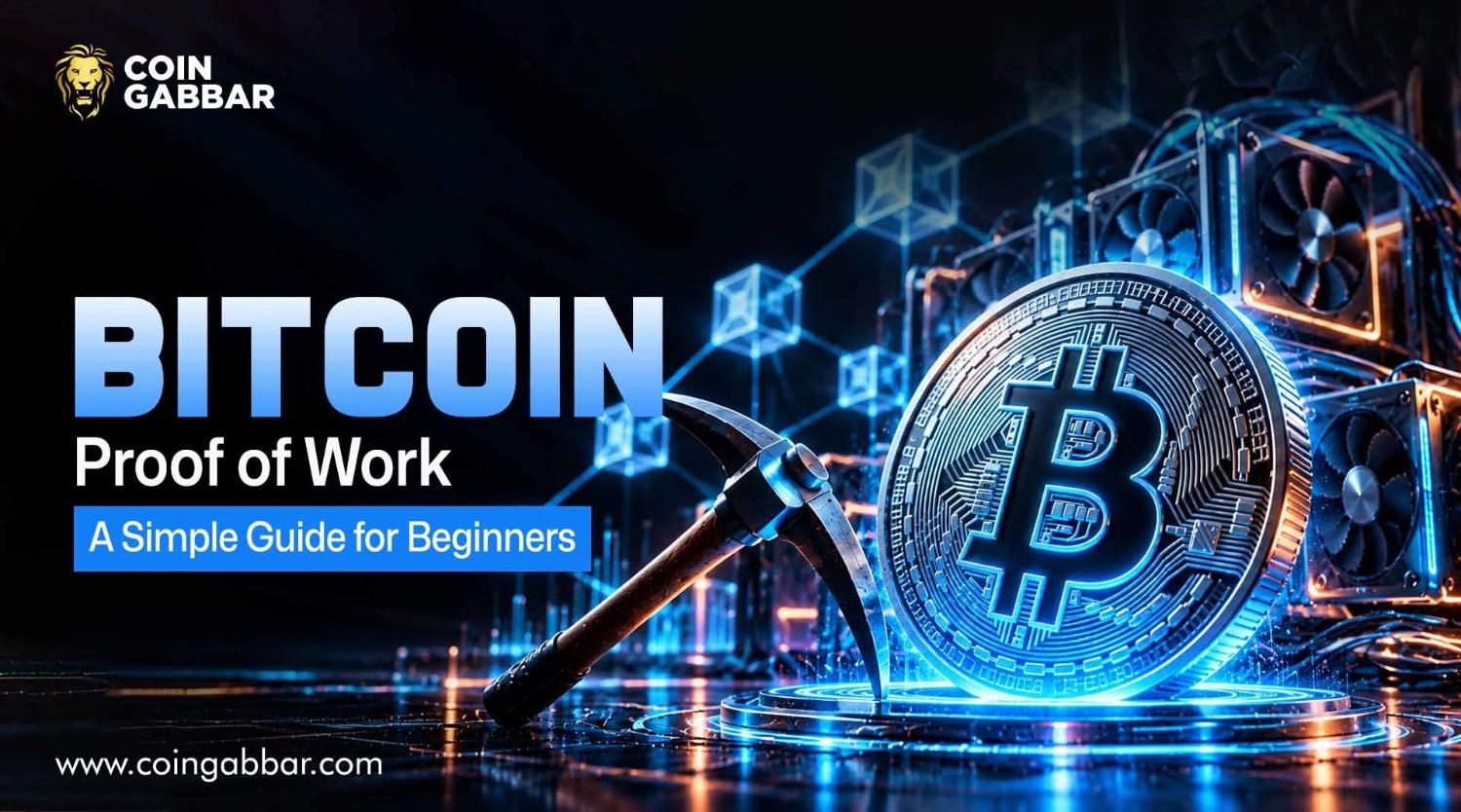
Bitcoin Proof of Work: How Mining Secures the Network
Bitcoin proof of work is the system that decides who adds the next page to Bitcoin's public record. It's also the reason no bank or government runs the network.
Readers who follow Bitcoin news today keep running into words like "hash rate," "difficulty," and "halving." They all trace back to one idea. This guide explains how the system works, what it costs, and where it falls short. Facts were checked against the project's own documentation on 8 October 2026.
How Does Bitcoin Proof of Work Actually Work?
Payments wait in a pool first. Miners pick them up and pack them into a block, which is just a batch of transactions. Then comes the puzzle. Miners guess a huge random number until the block's hash meets a strict target.
A hash is a unique digital fingerprint. Change one tiny detail in the block, and the fingerprint changes completely.
No shortcut exists. Only trial and error works, so stronger machines make more guesses. The first miner with a valid answer shares it with everyone. Nodes, the computers that store the ledger, check it in seconds. Checking is easy. Finding is hard. That gap is the whole design.
From Payment to Confirmation in Minutes
Payment sent. It hits the waiting pool. A miner solves the puzzle. The block spreads across the Bitcoin blockchain. Nodes verify it. The first confirmation usually lands within 10 to 60 minutes. More confirmations stack up as new blocks arrive. Each one makes a payment harder to reverse.
How Difficulty Adjustment Keeps Bitcoin Blocks on Schedule
A new block arrives about every 10 minutes. But miners keep joining and leaving the race. So the network adjusts the puzzle's difficulty. More machines mean a harder puzzle. Fewer machines mean an easier one.
Basically, the system runs its own clock. No boss sets it. Meetings aren't needed either. The math handles everything.
How Proof of Work Protects Bitcoin From 51% Attacks
Each block carries the fingerprint of the one before it. Change an old block, and every later block breaks. An attacker would need to redo all that work and do it faster than everyone else. That's what stops double spending. It means someone tries to spend one coin twice.
A simple example helps. A buyer pays a shop with one coin, then sends the same coin to a friend. Both payments wait in the pool. The shop's payment gets into a block first, so the network rejects the second one.
A 51% attack that means one group controls over half the network's mining power. It's possible in theory, but the cost makes it a bad bet.
Block Rewards, Halvings, and Miner Incentives Explained
Miners earn a block reward plus transaction fees. Those rewards keep them honest and busy. A bitcoin halving cuts that reward in half every 210,000 blocks, which takes roughly four years.
Year | Reward per block |
2009 | 50 BTC |
2012 | 25 BTC |
2016 | 12.5 BTC |
2020 | 6.25 BTC |
2024 | 3.125 BTC |
Bitcoin's supply stops at 21 million coins. After that, fees are paid to the miners. Halvings seem bullish on paper. Actually, that's too neat. The price rose after the earlier ones. Noted. But patterns aren't promises, and the next halving, expected around 2028, could play out differently.
Why Call It Mining at All?
The name comes from gold. Like gold, Bitcoin has a fixed supply and takes effort to get. But the comparison only goes so far. Bitcoin's supply doesn't grow with more mining, because rewards shrink over time.
Mining Pools, ASICs, and the Race for Hash Power
Hash power is the network's total computing effort. Early miners used ordinary laptops. Today, ASICs rule. These are chips built only for mining, and they can cost thousands.
Solo miners rarely win a block. So pools combine their power and share rewards based on each member's work. Pools bring steadier income. They also raise a worry: too much power in a few hands. So far, that hasn't become a real problem.
Is Bitcoin Mining Still Profitable?
For most regular people, probably not. Profit depends on many things. Electricity cost, hardware speed, mining difficulty, and the price of bitcoin all matter. Pool fees and yearly difficulty jumps add more guesswork.
Hardware choice matters here too. Old laptops can't compete anymore, and cloud or mobile mining rarely pays off either.
The Real Energy Cost of Bitcoin Proof of Work Mining
Energy use—that's the loudest criticism, and it's fair. Bitcoin mining needs a huge amount of electricity. Some headlines still exaggerate the numbers. Estimates for renewable-powered mining range from 39% to 74%. That's a wide gap, so the claim stays unproven.
Miners also chase cheap power, often extra hydro energy that would go unused. Here's the thing: the energy is the price tag that makes attacks expensive. And that's the trade-off. So is burning that much power a fair price for trust?
Bitcoin Proof of Work vs Proof of Stake: Key Differences
Proof of stake picks validators by the coins they lock up, not by computing power. Dishonest validators can lose those coins. That's the penalty for cheating. Supporters say it uses far less energy and spreads rewards more evenly. Bitcoin's backers argue that heavy mining hardware adds extra security.
Turns out, a switch to proof of stake seems unlikely soon. For a network built to store value, proof of work has the longer track record. That's the stronger argument.
What Does This Mean for Bitcoin Investors?
A bitcoin ETF holds bitcoin through a fund, so holders don't mine anything. But the asset behind it still relies on proof of work for security.
Basically, a bitcoin seed phrase, the backup words that restore a wallet, protects coins. Mining doesn't. Any bitcoin investment guide should start with price swings, storage safety, and fees.
What Does the Data Say About Bitcoin Proof of Work?
Stronger signal: rewriting history means redoing all the work.
Main concern: energy cost and pool concentration.
Biggest unknown: how mining power spreads in the future.
Worth verifying: live hash rate, difficulty, and pool shares.
Is Bitcoin's Proof of Work Built to Last?
Bitcoin proof of work turns energy into trust. It's costly, and it's far from perfect. Two questions stay open: energy use and pool power. Readers can check live difficulty and the next halving date to see how things move.
Disclaimer
This article is for information only and isn't financial advice. Crypto is high risk, and prices can swing fast. Readers should research well and talk to a licensed adviser before investing.








.webp)




