Beyond Trading: Where People Are Actually Using Crypto in 2026

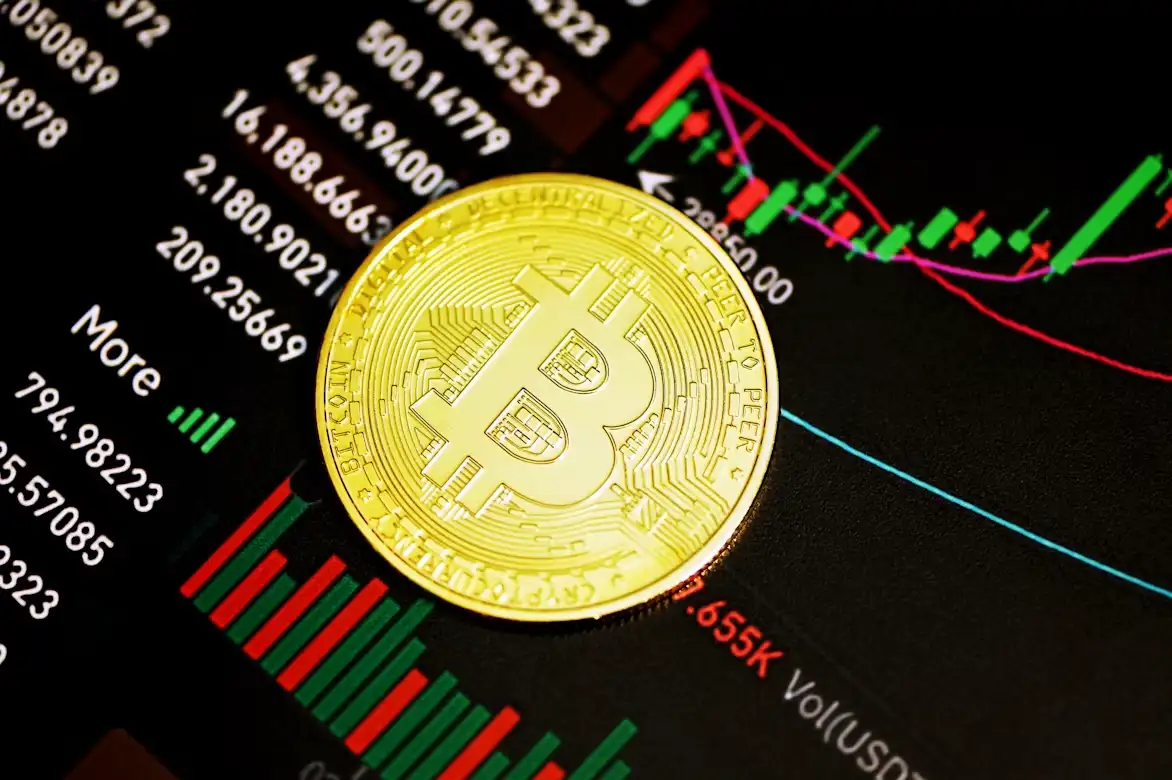
For a long time, a common narrative among cryptocurrency followers was how fast it would go up, how low it would go before recovering, and how much one would profit by investing; these factors became a way to measure cryptocurrencies. Bitcoin would take the lead in media and public attention, while other digital assets would be assessed more or less by the magnitude of their value gains.
In retrospect, it's quite apparent why the 2026 perspective would be more holistic and comprehensive. Although people still buy and sell cryptocurrencies the way they always did, other ways people are starting to use crypto are becoming increasingly prominent. From earning and receiving money to cross-border transfers, gaming and betting, digital assets, ownership rights, and virtual services, crypto is fast becoming part of everyday digital life.
The gradual expansion of crypto beyond cryptocurrency exchanges is a game changer for how it's perceived: as a tool, a payment medium, and a new way to own assets digitally.
Gaming and Online Entertainment
Gaming, gambling, online betting, and entertainment industries have become crypto-friendly as their core functions already take place in virtual spaces. Players are accustomed to using virtual money in games, playing online, shopping for virtual goods, and completing transactions through a screen. As a result, they don't find it strange to use cryptocurrency to participate in those virtual environments.
One way digital currency is used on entertainment platforms is through the rise of the crypto casino, since users can play with their digital money instead of withdrawing first and then betting fiat money. This creates a direct link between user wallets and digital entertainment services. This interaction lets players do all the casino activities they are familiar with using crypto funds.
Gaming, however, is not limited to casino activities; like other digital currency uses, it can connect different levels of the game, including community rewards, tournaments, and other engaging interactive experiences. For people deeply immersed in digital culture, virtual money and crypto can feel the same.
Payments Are Becoming a Real Use Case
A simple application of cryptocurrencies is also key: making payments. A growing number of online services have already implemented payment gateways that let users directly pay with their digital assets. Instead of the conventional method, where one has to sell crypto and reconvert fiat back into a bank account, some online services let users complete a transaction directly from their wallet.
Some practical examples could be:
-
Digital software/services
-
Subscription services
-
Purchase for vacation trips
-
Web hosting
-
Entertainment services
Such developments have the effect that for holders of blockchain-based money, cryptocurrencies start to be more than only money to be invested or money you can make a loss of by investing, but rather a means they can conveniently spend their money while doing business online.
Remittances and International Transfers
International money transfers are yet another area where cryptocurrency could change people's daily lives.
If someone is working in one country and wants to remit money to those living elsewhere, traditional channels involve multiple banks, currency conversions, and, on average, lengthy processing times and sometimes high fees.
Cryptocurrency presents a new, faster alternative. It lets you move money between digital wallets. As a result, people in different countries and regions can transfer value through the blockchain when needed, without a mediator.
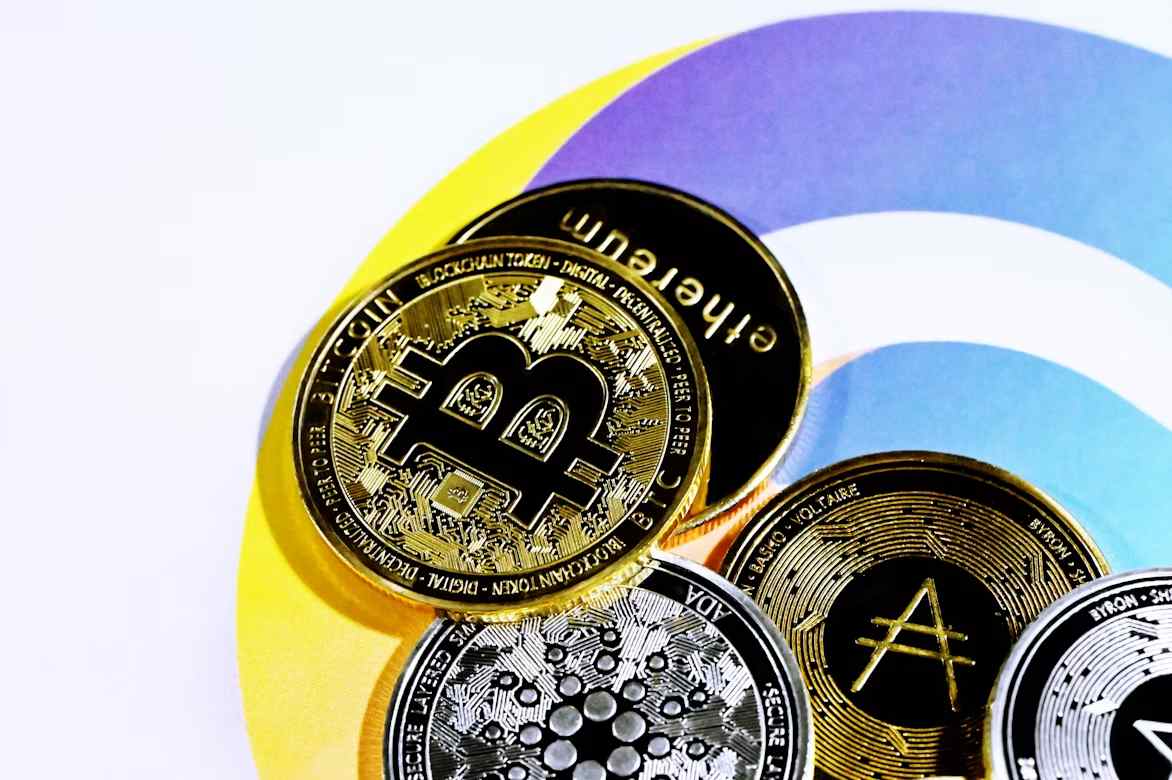
Stablecoins are a strong fit for this kind of application. As a digital asset with the same purchasing power as fiat, it offers blockchain speed while remaining as stable in value for the user as traditional currency.
A perfect use case for crypto to replace traditional banking is sending money across country borders.
Gaming Economies Are Expanding
Game economies have become part of most modern games. A game will require a player to be able to purchase an avatar (or skin), different characters, different cards, or upgrades. In that sense, it’s natural for crypto to be a part of it.
Some blockchain games, for instance, let players use their wallets to control certain digital assets. This adds a sense of ownership to digital goods beyond being tied only to an in-game account.
A bigger shift is that the gaming community is becoming more aware that digital goods can also have real, tangible ownership.
As a consequence, the concept of using virtual items will probably have much to do with how various digital assets and communities such as collectible games or competitive gaming online will evolve.
NFTs Are Moving Beyond Digital Art
NFTs initially generated hype, especially because of their association with major digital art sales, which, by the way, became the largest in their genre worldwide at the time. However, NFT technology has a much broader scope than a single image.
At least from a 2026 perspective, NFTs aren't confined to digital art. In fact, they can also represent:
-
In-game purchases/characters, etc.
-
Collectible digital items
-
Access tickets for membership
-
Event tickets
-
Community-related points/achievements/rewards
-
Virtual or simulated real estate
The central principle of NFTs is that they serve as proof or certificates of ownership. By recording transactions for a specific digital asset, the blockchain can act as a public ledger that verifies the asset is linked to a specific Ethereum wallet.
For creators, online communities, and businesses, this opens up new possibilities. The ownership of an NFT, therefore, does not merely lie in collecting it, although that is an activity one person or another is always up to. NFT ownership can also be a doorway to exclusive access or a representation of virtual rights and benefits.
Disclosure: This article is for informational purposes only and does not constitute financial, investment, legal, or gambling advice. Cryptocurrency and gambling involve risks, and laws and availability may vary by jurisdiction. Some links may be affiliate or commercial links, through which we may receive compensation. Readers should conduct their own research and comply with applicable laws before using any cryptocurrency or gambling service.






.webp)