AI Crypto News: From Ripple AI Agent To Vitalik AI Threat Rejection
AI Crypto News: AI Agents’ Future in Blockchain Payments or a Threat?
This roundup of AI crypto news brings three separate stories together under one theme: blockchain is quietly becoming the payment and security layer for autonomous AI agents. Ripple just gave AI agents a way to pay for services on-chain, Vitalik Buterin pushed back on AI security fears, and Aave opened a new door for AI-assisted DeFi.
Taken together, these moves mark a shift from talk about AI and crypto toward actual working tools.
AI Crypto News: Ripple AI Starter Kit v1.1 Brings AI Agent Payments
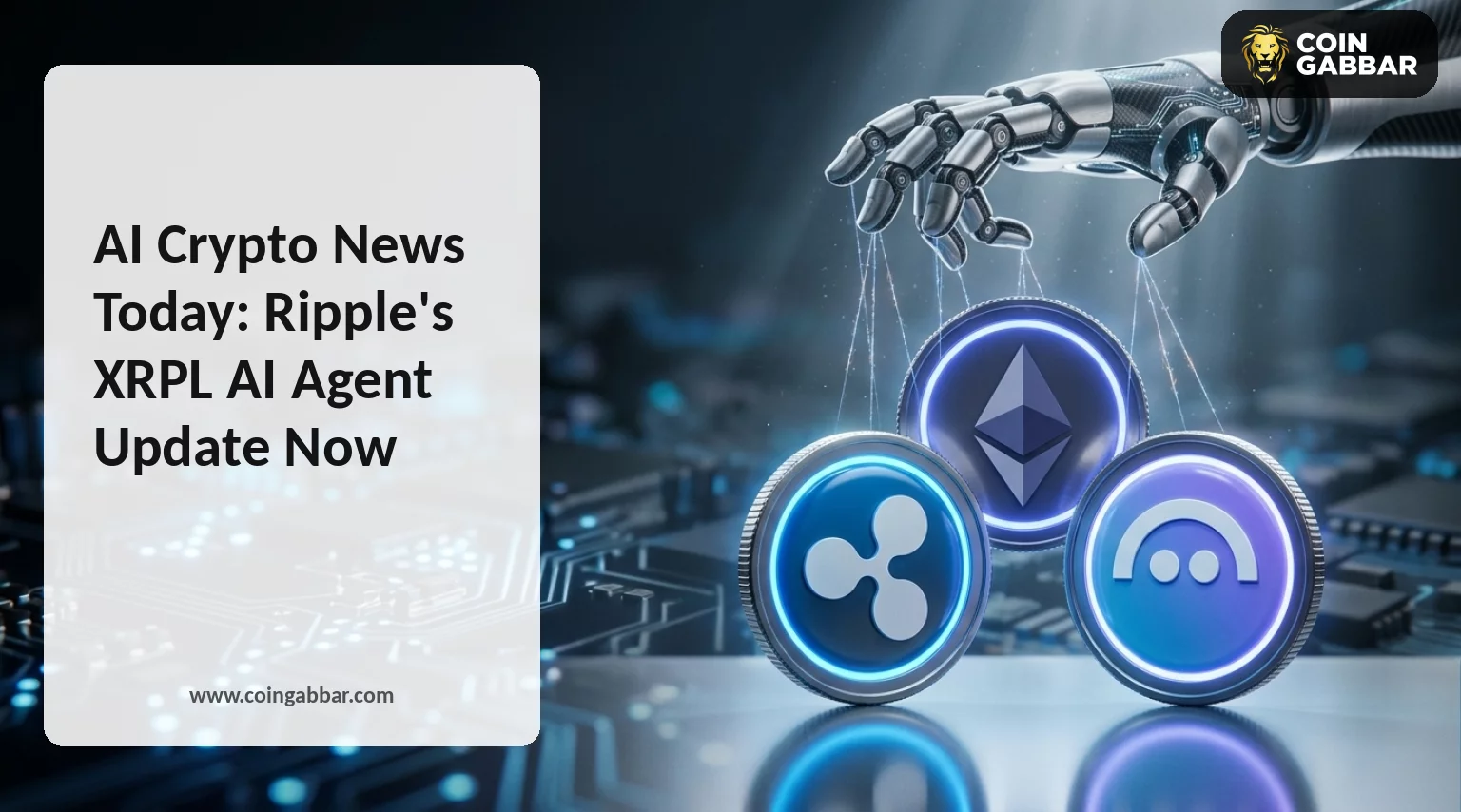
Ripple updated its XRPL AI Starter Kit to version 1.1, adding support for the Machine Payments Protocol built by Stripe and Tempo.
That update lets a Ripple AI agent handle its own payments for things like API access, compute power, or digital services, using XRP or the RLUSD stablecoin.
Settlement lands in 3 to 5 seconds, with fees running well under a cent per transaction.
Single, one-time payments for quick service charges
Session-based payment channels for ongoing usage that settles later
Support for the Open Wallet Standard across multiple chains
Built on top of earlier x402 payment support already in the kit
This puts the XRP Ledger in direct competition with USDC-based rails, which currently handle the bulk of agent-to-agent payment volume. Ripple's pitch centers on lower, more predictable costs and a built-in decentralized exchange for agents juggling multiple currencies.
AI Crypto Threat Debate: Vitalik Buterin Rejects the Doom Talk Now
Ethereum founder Vitalik Buterin pushed directly against the idea that smarter AI automatically makes crypto less safe.
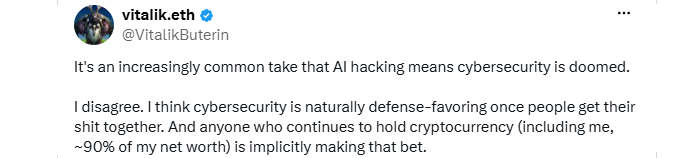
His argument: cybersecurity naturally favors defenders once tools mature. AI can speed up formal verification, essentially proving that code behaves exactly as intended, giving security teams a real structural edge rather than handing attackers the advantage.
Ethereum's own security work already leans on AI agents for code review and bug reproduction.
Buterin also pointed to keeping roughly 90% of his net worth in crypto as a practical vote of confidence that secure systems remain achievable. He separately highlighted progress in smaller, local AI models capable of running efficiently on ordinary laptops, useful for privacy-focused everyday tasks without relying on constant cloud access.
Aave Launches New MCP Server for Safer AI-Crypto Integration Today
Around September 8 to 9, 2026, Aave rolled out an official Model Context Protocol server, giving compatible AI assistants a structured way to read live protocol data.
Real-time access to markets, rates, positions, and health factors across Aave V3 and V4
Ability to prepare unsigned transactions for human review, not automatic execution
No private keys stored or held by the server itself
Works with common AI assistants already used by developers
This kind of setup supports safer AI-crypto integration, since agents can monitor positions or flag liquidation risk without ever touching funds directly. A human still signs every transaction through their own wallet.
What AI Crypto Adoption 2026 Means for Future Blockchain Payments
Real transaction volume from AI agents remains fairly small once noise and self-payments get filtered out, often landing in the low millions rather than headline-grabbing numbers. Most current activity still settles through a narrow set of stablecoins.
Even so, the direction is clear. Ripple's multi-standard payment support, Aave's agent-friendly data layer, and Buterin's defense-optimistic stance all point toward the same conclusion: crypto is positioning itself as core infrastructure for AI crypto adoption 2026, not just another trend riding on AI hype.
The next few months will likely show whether that infrastructure turns into consistent daily usage, or stays a promising foundation still waiting on real demand to catch up.
Disclaimer: This article is for informational purposes only and does not constitute financial or investment advice. Crypto markets carry significant risk. Always do your own research before making any investment decisions.










