Crypto Exchange Comparison 2026: Bybit vs OKX vs Kraken vs Crypto.com


What Should You Compare Before Choosing a Crypto Exchange in 2026?
Crypto Exchange Comparison 2026 should start with three basic questions: What will each trade cost? How safe are the funds? Can a person in that country even sign up?
Cost comes first for most people. A small fee repeats on every buy and sell, so it adds up over a year. Safety comes next. Some exchanges publish proof of their reserves, and that is worth reading.
Then comes access. Some platforms are closed to whole countries, so local rules can decide the choice. This best-regulated crypto exchange guide explains how licenses differ.
A fair crypto exchange comparison 2026 looks at all three together. It does not pick one winner, because the right platform depends on the person using it.
How Do Bybit, OKX, Kraken, and Crypto.com Differ in Their Features?
These four look alike at first, but each grew from a different idea.
-
Bybit: launched in 2018 and built mainly for derivatives traders. Spot, margin, and options sit beside its futures markets, with Earn products for idle coins.
-
OKX: pairs a full exchange with a built-in Web3 wallet. The wallet includes a DEX aggregator, so users can trade on-chain tokens from the same app.
-
Kraken: started in 2011, which makes it one of the older names here. The main app keeps buying simple, while Kraken Pro gives active traders a full order book.
-
Crypto.com: really goes all in on everyday spending, pairing its exchange with a Visa card that gives crypto back on regular purchases. The app also comes with its own DeFi wallet and an NFT marketplace built in, so it ends up doing a lot more than what a typical trading platform usually offers.
How Do Bybit, OKX, Kraken, and Crypto.com Compare on Trading Fees?
Makers add orders to the book. Takers fill existing ones and usually pay more.
| Exchange | Entry spot maker | Entry spot taker | Rate driver |
| Bybit | 0.10% | 0.10% | VIP tiers |
| OKX | 0.08% | 0.10% | Volume tiers |
| Kraken Pro | 0.40% | 0.80% | Volume or assets |
| Crypto.com Exchange | 0.25% | 0.50% | CRO staking |
The Bybit fee page lists spot rates by account level. Kraken moved to cross-platform tiers in July 2026, so older fee tables may be outdated.
Which Trading Options Are Available on Each Crypto Exchange Platform?
Bybit and OKX cover the widest set of trading tools. Both have spot trading, margin, futures, perpetual contracts, and options.
A perpetual contract is a futures trade with no expiry date. Both also run Earn products for idle coins.
Crypto.com is the odd one out. Its Exchange handles spot trading, while the app adds staking, payments, and the Visa card. Futures and perpetuals there depend on the user's location.
Every exchange changes its product list by region, so a quick check on the live site saves trouble. More names are covered in this top crypto exchanges ranking.
How Does Security Compare Across Bybit, OKX, Kraken, and Crypto.com?
No exchange is risk-free, and these four have very different track records, even among the biggest crypto exchanges.
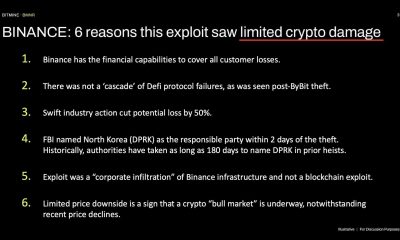
In February 2025, Bybit lost more than $1 billion in Ether to hackers. The coins were sitting in a cold wallet. That means the wallet was kept offline, which is supposed to be the safest way to hold funds.
OKX puts out a Proof of Reserves report every month. In plain terms, it is a check that the exchange holds enough assets to cover what customers have deposited.
Crypto.com lists more certifications than the others. Its Crypto.com security page names ISO 27001, ISO 27701, ISO 22301, PCI DSS v4.0 Level 1, and SOC 2 Type II compliance.
How Do Spot and Derivatives Trading Features Compare Across Exchanges?
Bybit is the derivatives specialist, with entry futures rates near 0.02% maker and 0.055% taker. OKX also runs futures and perpetuals.
Kraken keeps derivatives on a separate schedule, and the Kraken derivatives fee schedule gives an example of 0.015% maker and 0.04% taker. Crypto.com futures depend on the user's jurisdiction.
How Do Web3 Wallet and DeFi Features Differ Between These Exchanges?
OKX stands out here. An OKX exchange account and the OKX Wallet are two separate things. On the exchange, OKX looks after the funds. In the OKX Wallet, the user keeps the private keys, so the coins are in the user's own hands. This is called self-custody.
Inside the wallet, a DEX aggregator checks prices across several decentralized exchanges and looks for the best rate.
Self-custody gives freedom, but it also gives full responsibility. The exchange cannot freeze the wallet, and it cannot reverse a mistake either. A payment sent to the wrong address stays sent.
An approval is a permission that lets a smart contract spend a user's tokens, so a wrong one cannot be undone. New readers can start with this Web3 basics beginner guide.
How Do Supported Coins and Trading Pairs Compare Across Platforms?
Coin lists are hard to compare because they change almost every week. One coin can have several pairs, and each exchange decides which ones to offer. A token may trade against USDT on one platform and only against USD or EUR on another.
Country rules matter too. Every platform changes its asset list by region, so a coin visible in one country may be blocked in another.
Small tokens need extra care. A listing does not make a token safe, and thin trading can raise the cost of buying or selling. Readers who follow fresh launches can read this best exchange for new tokens guide before trading any of them.
How Do User Verification and Regional Availability Differ by Exchange?
All four ask for identity checks before full trading. Bybit's official notice excludes the United States, mainland China, Hong Kong, Singapore, Canada, and other jurisdictions.
How Do Bybit, OKX, Kraken, and Crypto.com Compare for Different Users?
-
Active derivatives traders: Bybit or OKX may fit.
-
Web3-native users: OKX may fit.
-
Users wanting a long record: Kraken may fit.
-
Card and app users: Crypto.com may fit.
What Are the Main Advantages and Limitations of Each Crypto Exchange?
-
Bybit: a favorite with derivatives traders, but it does not take new accounts from the United States and a handful of other countries.
-
OKX: a good wallet and regular reserve reports, though access depends on the region.
-
Kraken: a long history since 2011, but its entry fees are the highest of the four.
-
Crypto.com: an easy app and a card, but the main app can add fees that are harder to spot.
No platform wins on every point. Each one is best at something different. The bigger problem is that fees and country rules keep changing, so this picture may look different in a few months. Derivatives carry the most risk of all, and this derivatives trading platforms guide explains why.
How Should You Compare Crypto Exchanges Before Opening an Account?
A practical crypto exchange comparison 2026 checklist:
-
Check that the country is supported.
-
Look at the live fee tier after logging in.
-
Try a small deposit and withdrawal first.
-
Turn on two-factor login and a withdrawal whitelist.
-
Keep long-term coins in a personal wallet where it suits.
Conclusion:
This crypto exchange comparison 2026 makes one thing clear: these four platforms are made for different people. Bybit is the pick for derivatives traders. OKX works better for anyone who wants Web3 tools nearby. Kraken has been around since 2011, and that record is its main selling point. Crypto.com is more about daily spending, thanks to its app and card.
Disclaimer:
This article is for information only and is not financial advice. Crypto trading is risky, and money can be lost. Exchange rules and fees also change, so please check the official exchange pages before acting
Also read: