Best Play to Earn Games in March 2026: Confirmed Updates

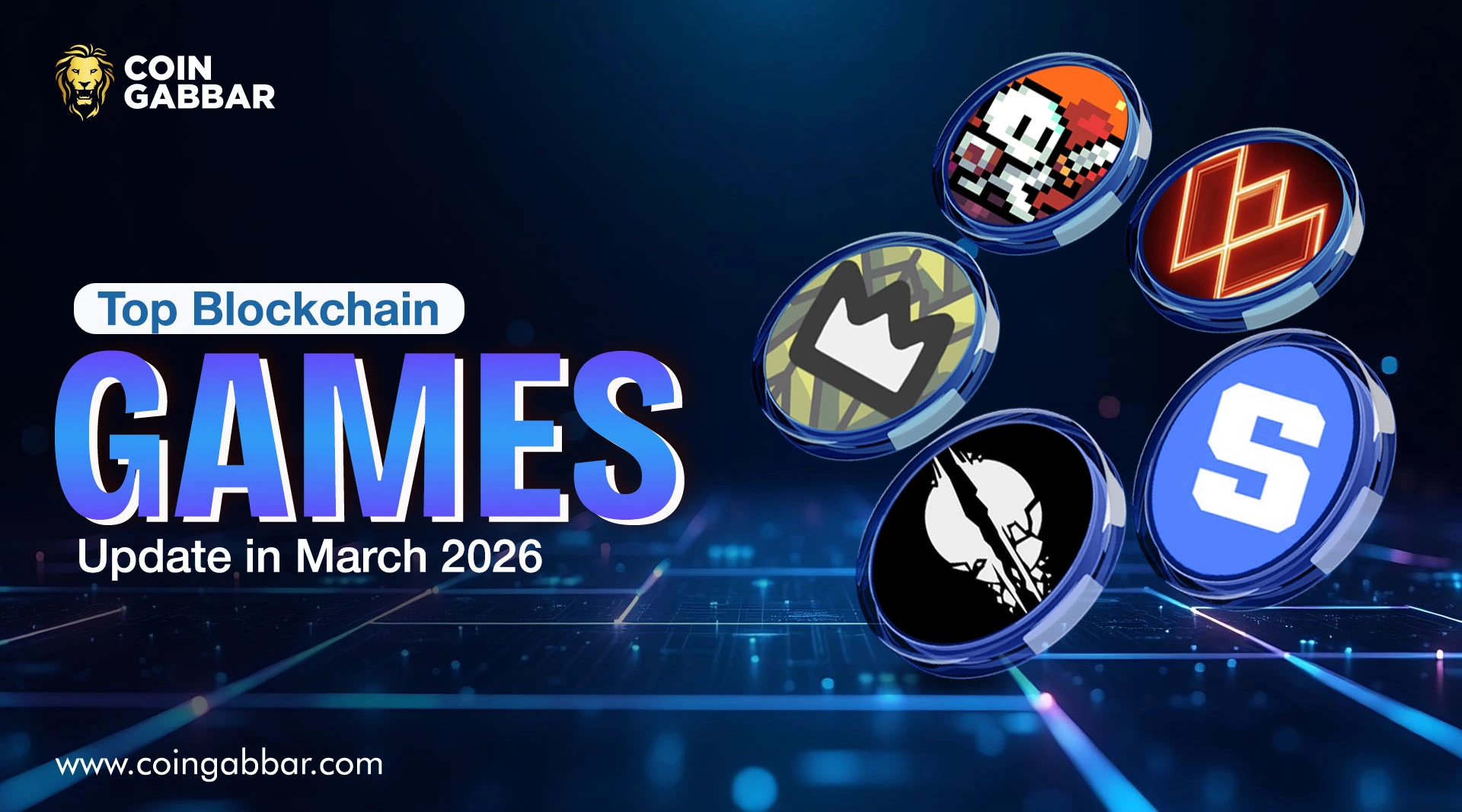
What Are the Best Play to Earn Games in March 2026?
March 2026 includes a confirmed Steam launch, a 650,000 $SAND seasonal reward pool, and major AI-driven upgrades across leading play to earn games. While speculation continues to cycle through smaller token launches, real momentum this month comes from confirmed platform expansions, Steam distribution, and structured seasonal economies.
From a Steam Early Access milestone to active seasonal reward pools and AI-integrated economies, these five blockchain games represent different models of how crypto gaming is evolving.
1. Is Shrapnel Live on Steam? (Steam Early Access Launched March 5, 2026)
This is the biggest confirmed web3 event of the month. Shrapnel will officially enter Steam Early Access on March 5, 2026. This marks its first major public PC launch phase and opens the game to a much larger audience beyond closed tests.
What’s New
Stockpile mode (4v4 extraction gameplay)
Sigma resource mechanic (risk vs reward system)
Expanded player marketplace tools
Steam integration for broader accessibility
How Players Earn
Competitive gameplay rewards
Participation in ecosystem events
Trading custom skins and maps
$SHRAP token utility inside the player-owned economy
Why It Matters: Shrapnel is one of the few AAA-level crypto games with a confirmed Steam launch. That alone makes it a major Web3 gaming milestone in March 2026.
2. The Sandbox – Season 7 Live (Confirmed 2026 Seasonal Rollout)
The Sandbox Season 7 is officially live in Feb 2026, introducing browser-based play and a large seasonal prize pool.
While the exact day within March has not been officially confirmed in public documentation, Season 7 is actively running during the current 2026 cycle.
Confirmed Updates
Browser-based access (no download required)
650,000 $SAND total seasonal reward pool
New partner experiences
Expanded creator rewards
How to Earn in The Sandbox
Complete seasonal quests
Participate in time-limited experiences
Compete in community events
Own LAND NFTs and monetize traffic
Create assets using VoxEdit and Game Maker
Do I need NFTs?: You can play without LAND, but ownership increases earning potential.
The Sandbox remains one of the most established blockchain games in Web3 gaming.
3. Wilder World – AI-First Strategy Shift (Announced 2026)
Wilder World has officially announced its transition toward an AI-first metaverse strategy in 2026. The shift includes autonomous AI Agents integrated into the game economy.
No exact single-day March deployment has been officially confirmed publicly, but the AI expansion roadmap is active for 2026.
Confirmed Developments
AI Agents assisting onboarding
AI-powered mining systems
Expanded on-chain product ecosystem
Continued development of Wiami city districts
How Players Earn
Racing events
Mission rewards
Asset trading (vehicles, land, avatars)
$WILD token utility across ecosystem
Why It’s Important : Wilder World is combining Unreal Engine 5 quality with AI-driven blockchain systems — something very few crypto games are attempting at this scale.
4. Gigaverse – ROM NFT Expansion (2026 Confirmed Drop Phase)
Gigaverse confirmed its ROM NFT mechanics and ecosystem expansion during its 2026 development cycle.
While specific March mint dates are not publicly confirmed, the ROM NFT system and dungeon expansion are active components of the current roadmap.
Confirmed Gameplay Features
On-chain dungeon crawling
Rock-paper-scissors combat system
Permanent loot retention even after failed runs
Username NFT for marketplace access
How Players Earn
Dungeon loot
Crafting and scrap upgrades
GIGABIT in-game currency
Trading gear and NFTs
Gigaverse is one of the more structured NFT games focusing on sustainable progression rather than hype-only token drops.
5. NomStead – Land Expansion and Competitive Systems (2026 Development Cycle)
NomStead expanded its land utility and combat mechanics during its 2026 development cycle, introducing structured competitive play within its browser-based sandbox environment.
How to Play & Earn:
The game runs on Immutable zkEVM with browser access.
Players gather wood, stone, and other resources to craft tools and build structures.
Land plots are NFTs that players own and develop for profit.
A NomStead Visa NFT unlocks marketplace selling so players can trade items for crypto.
Stadium Fights let players compete for high-value loot drops.
What Players Want to Know: Owning a land NFT and a NomStead Visa increases earning potential, but basic gathering and crafting still reward players with items that can be traded later.
Structural Trends in March 2026 Web3 Gaming
Across these five gaming projects, several patterns are clear:
Distribution is improving (Steam integration).
Seasonal reward pools are replacing one-time token hype.
AI systems are entering blockchain game economies.
NFT utility is shifting from static collectibles to functional access layers.
Player-owned marketplaces remain central to earning models.
How To Earn Rewards From Blockchain Games
Earnings now depend on:
Competitive skill (Shrapnel)
Seasonal quest participation (The Sandbox)
Asset trading and mission completion (Wilder World)
Dungeon progression (Gigaverse)
Crafting and land monetization (NomStead)
Conclusion
If you’re trying to figure out how to earn rewards from play to earn games, the answer now depends on the game type:
Competitive skill → Shrapnel
Seasonal quest systems → The Sandbox
Asset-driven economy → Wilder World
Dungeon progression → Gigaverse
Crafting & land economy → NomStead
The easy-click farming era is fading. The games that survive will be the ones people actually enjoy playing.
Disclaimer : This article is for educational purposes only. Play-to-earn rewards are not guaranteed, and crypto assets can be volatile. Always do your own research before investing time or money in any game.





.jpg)