Crypto Payments in Online Gaming: What Players Should Know

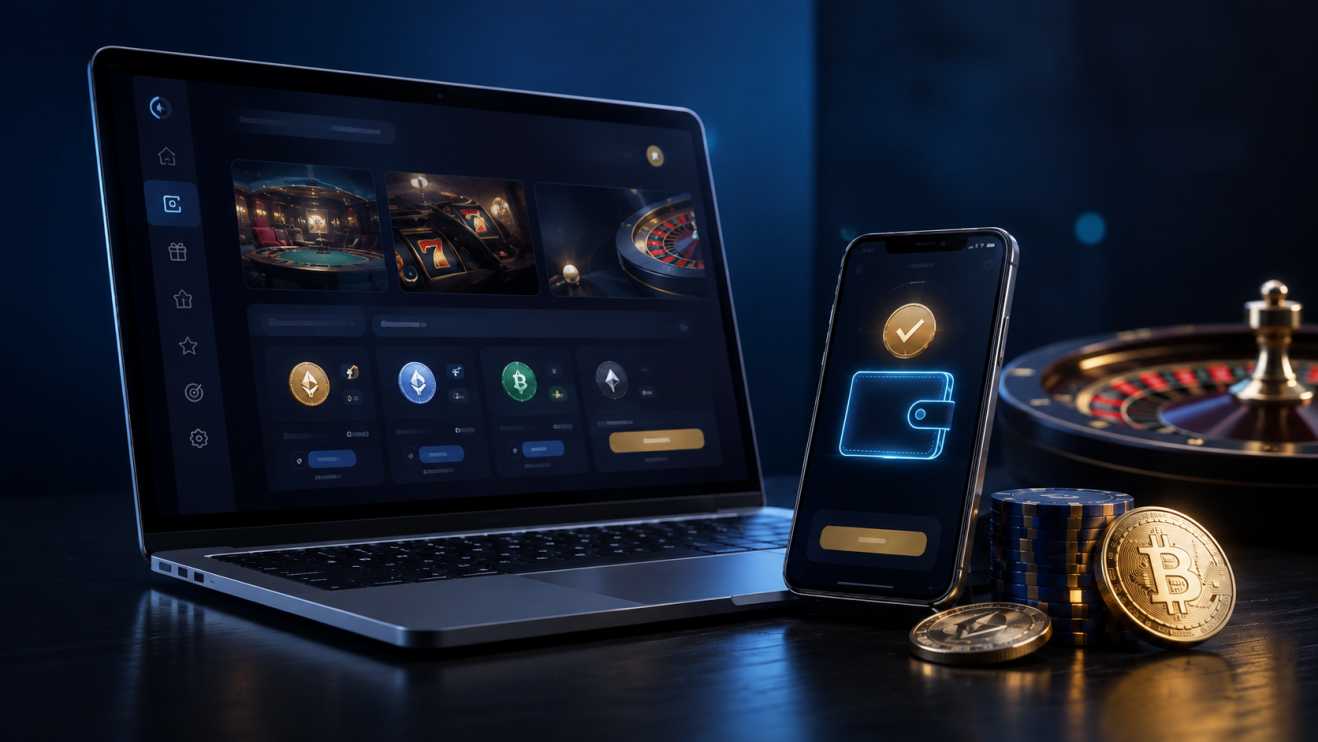
Cryptocurrency has become a practical payment option across many parts of the online gaming industry. Bitcoin remains the most recognised choice, but players may also find Ethereum, Litecoin, USDT, USDC, TRX and other digital assets when funding an account.
The process may look simple: choose a coin, copy a wallet address and send the funds. However, several details matter before a transaction is made. The selected network, transaction fee, casino processing rules and withdrawal checks can all affect the payment.
Players who already use cryptocurrency may know these steps. Anyone making a first casino deposit with digital assets should understand them before funds leave their wallet.
How Do Crypto Gaming Payments Work?
Crypto gaming payments move digital assets from a player's wallet to an address provided by an online gaming platform. The blockchain must confirm the transfer before the operator can credit the account. Players must select the correct coin and network, check fees and review withdrawal and verification rules before sending funds.
How to Make a Crypto Deposit for Online Gaming
A normal card payment mainly happens behind the scenes. With cryptocurrency, the player has more responsibility for entering each transaction detail correctly.
- Open the casino's deposit or cashier page.
- Select the cryptocurrency you want to use.
- Choose the blockchain network supported by the casino.
- Copy the deposit address or scan its QR code.
- Compare the address shown in the wallet with the casino address.
- Check the amount and estimated network fee.
- Send the transaction and save its transaction ID.
- Wait for the required blockchain confirmations.
- Check that the casino has credited the account.
CoinGabbar has a useful explanation of crypto deposits and withdrawals in gaming, including how wallet addresses, confirmations and network selection fit into the process.
Blockchain confirmation and casino processing are not the same thing. A transfer may be visible on-chain while the casino is still waiting for more confirmations or completing an internal review.
Choosing the Correct Crypto Network Is Critical
Players must check both the cryptocurrency and its blockchain network. USDT is a useful example because it is available on several networks.
A casino may support USDT through TRON, Ethereum or BNB Chain. These are separate networks even though the asset name remains USDT.
Sending funds through an unsupported network can delay a deposit or cause permanent loss. The casino may not be able to recover funds sent through the wrong blockchain.
Before confirming a crypto casino deposit, compare:
- the cryptocurrency selected at the casino;
- the blockchain network shown by the casino;
- the network selected in the sending wallet;
- the full destination address;
- the minimum deposit amount; and
- any memo, tag or reference number required.
Players should also consider sending a small test payment when using a new wallet, address or network. This may add another fee, but it can reduce the risk of sending a larger amount incorrectly.
Crypto Payment Speed Depends on Several Factors
Fast transfers are one reason cryptocurrency gained attention in online gaming. However, claims about instant crypto deposits or withdrawals should be treated carefully.
The total processing time can depend on:
- blockchain congestion;
- the number of required confirmations;
- the network being used;
- the transaction fee selected by the sender;
- casino processing procedures;
- account verification; and
- manual withdrawal reviews.
A fast network may move funds between wallets within a short time. That does not mean every casino withdrawal will arrive within the same period.
Players comparing online crypto casinos should review the complete deposit and withdrawal process rather than focusing only on blockchain speed.
Crypto Transaction Fees Can Change
Cryptocurrency transactions are not automatically free. A network fee is normally paid to process and confirm the transfer.
The cost depends on the blockchain and current demand. Ethereum transfers, for example, can cost more during busy periods. Other networks may process transactions for less, but they must still be supported by the receiving casino.
Players may also face:
- cryptocurrency exchange fees;
- fiat-to-crypto conversion costs;
- casino deposit or withdrawal charges;
- currency conversion costs; and
- minimum deposit or withdrawal limits.
Players should check the final amount that will reach the account before approving a transaction.
Stablecoins Can Reduce Price Changes, Not Payment Risks
Stablecoins such as USDT and USDC are designed to track another asset, usually the US dollar. This can make it easier to understand the value of a deposit or withdrawal.
However, stablecoins do not remove every risk. Network fees still apply, supported blockchains can differ, and a transfer made to the wrong address is normally irreversible.
A stablecoin may also move away from its intended value. Players should not assume that every stablecoin will always maintain an exact one-to-one price.
Crypto Withdrawals Usually Need More Attention
Making a crypto deposit is often simpler than completing a withdrawal. Before depositing, players should check how the operator handles payouts.
Important questions include:
- Does the casino return funds in the same cryptocurrency?
- Does it support the same network for withdrawals?
- Is there a minimum or maximum withdrawal?
- Does the operator charge a withdrawal fee?
- How long does internal approval normally take?
- Must the account be verified first?
- Do bonus terms affect the withdrawal?
Identity checks can still apply when cryptocurrency is used. A blockchain transfer does not automatically make a casino account anonymous.
Licensing rules and internal compliance procedures may require proof of identity, address, age or source of funds. Players should read the casino's KYC and withdrawal terms before making a deposit.
Crypto and Traditional Casino Payments Compared
Crypto is one payment option, but it is not automatically the best option for every player. The right method depends on cost, availability, speed and the player's ability to manage payment details safely.
| Payment method | Possible speed | Common costs | Main concern |
|---|---|---|---|
| Cryptocurrency | Depends on the network and casino checks | Network, exchange and conversion fees | Wrong address, wrong network or an irreversible payment |
| Payment card | Often fast after approval | Provider or currency-conversion fees | Bank restrictions or declined transactions |
| E-wallet | Often fast | Wallet, conversion or withdrawal fees | Limited casino or regional support |
| Bank transfer | From minutes to several working days | Bank, wire or conversion fees | Longer processing for some transfers |
Actual speeds, limits and protections depend on the operator, payment provider and local rules.
Crypto Does Not Determine Casino Quality
Accepting Bitcoin, USDT or another digital asset says little about the overall quality of an operator.
Players should still check:
- licensing and company information;
- availability in their country;
- game providers and fairness information;
- deposit and withdrawal terms;
- bonus and wagering conditions;
- responsible gambling controls;
- customer support; and
- account security features.
This is important for Irish users because accepting cryptocurrency does not prove that an operator is suitable or legally available in Ireland.
Resources comparing the online casinos generally review a wider set of factors because a payment method is only one part of the overall casino experience.
A casino may provide smooth crypto payments but still have unclear withdrawal terms. The reverse is also possible.
Wallet Security Is the Player's Responsibility
Traditional payment services may allow some transactions to be disputed. Blockchain transfers work differently. Once a crypto transaction is confirmed, it normally cannot be cancelled or reversed.
Basic wallet safety steps include:
- copying the address instead of typing it manually;
- checking the first and last characters of the address;
- using two-factor authentication where available;
- keeping wallet recovery phrases private;
- avoiding payment links received from unknown sources;
- checking for fake websites and altered wallet addresses; and
- saving the transaction ID as a payment record.
Players should not keep a large cryptocurrency balance in an online casino account. A casino account is not a replacement for a secure personal wallet.
Crypto and Fiat Payments Will Continue to Coexist
Cryptocurrency has not made bank cards, e-wallets or bank transfers obsolete.
Many players prefer traditional methods because they already understand them. Other players may choose crypto because they already own digital assets and know how wallets and blockchain networks work.
The likely direction is greater payment choice. Operators may support several options instead of requiring every player to use one payment system.
This makes comparison important. The fastest method for one player may not be the cheapest or easiest method for another.
Responsible Gambling Still Matters
Crypto payments can make deposits feel quick, but they do not reduce the financial risks of gambling. Players should only participate where online gambling is legal, meet the required legal age and avoid using money needed for bills or daily expenses.
Set a firm spending limit before making a deposit. Do not increase that limit to recover a loss. Players who find it hard to stop should use available deposit limits, cooling-off periods or self-exclusion tools.
Final Thoughts
Crypto payments can make moving funds between a personal wallet and an online gaming account relatively simple, but the process is not automatic.
Players must select the correct asset and network, understand transaction fees, review withdrawal rules and separate blockchain confirmation time from casino processing time.
Cryptocurrency provides another way to fund an account. It does not remove the need to check the operator, read all payment terms and verify every transaction before sending funds.
Disclaimer
This article is for informational purposes only. Online gaming and cryptocurrency involve financial, legal and security risks. Casino payment methods, fees, wagering rules, withdrawal terms and verification procedures vary by operator and jurisdiction and may change without notice. Readers should confirm that online gambling is legal in their location, meet the applicable legal age, review the operator's terms and gamble responsibly. Never gamble with money you cannot afford to lose.