Crypto Users Shift Toward Routine Asset Management

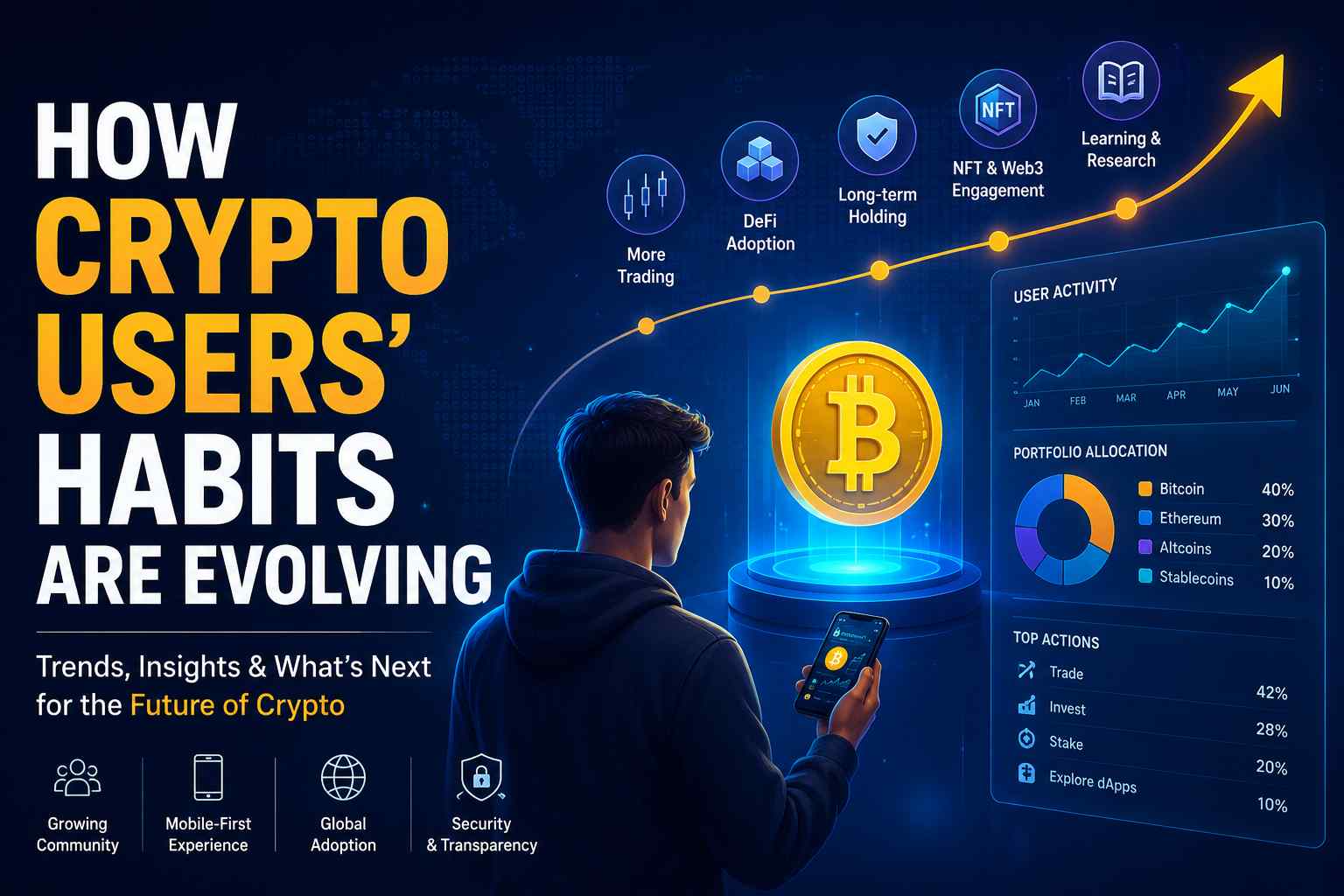
A few years ago, the typical crypto interaction was simple: buy, transfer, sell. Once the transaction was done, people forgot about it until the next one.
For a growing share of users today, the picture looks different. They receive stablecoins for work, hold part of their funds indigital form, send transfers regularly, check addresses before sending, and occasionally review their transaction history. This has become a habit, much like checking a card balance before making a purchase.
As habits change, what do people expect from the services they use?
From a One-Off Transaction to a Recurring Pattern
When someone makes a transaction once every few months, the main criteria are rate and speed: send the transfer, get the result, move on.
Once transactions become routine, other questions comeup. Is the recipient's address saved? Is the current balance easy to check at aglance? Can a familiar action be repeated quickly, without starting from scratch each time? Rate and speed still matter, they simply stop being the only criteria.
Country-level data points to the same shift. According to Chainalysis's 2025 Global Crypto Adoption Index , several Eastern European countries rank at the very top ofthe world on a population-adjusted basis. Researchers link this high level of activity in the region to economic uncertainty, strong digital literacy, and the use of crypto assets for savings and cross-border transfers.
Why Stablecoins Accelerated This Shift
USDT and USDC increasingly function as every day financial tools: payment for a project, settlement between individuals,international transfers, or part of someone's savings.
Once an asset is used this regularly, a single exchange or transfer function is no longer enough. What is needed is an environment where a balance can be maintained, routine actions can be repeated,and the full picture of activity can be seen at a glance.
Industry data confirms the scale of this shift.According to a report by BCG and Allium public blockchain data shows more than $62 trillion in stablecoin transfers peryear. However, the researchers attribute only about 7% of that volume to genuine economic activity. Separately, they estimate that visible payments for goods and services will be $350 to $550 billion in 2025, with rapid growth in this segment.
As stablecoins are used this way more often, a single exchange function matters less than the ability to manage several related operations within a single environment. That is the logic behind 001k.bot .
What Regular Transfers Actually Require
As people move from one-off actions to ongoing use, a few things start to matter more:
saved recipient addresses;
a clear, up-to-date balance;
transaction history that canbe revisited;
the ability to quickly repeat a familiar action;
address verification before sending.
In essence, this is a shift from a "complete the transaction" model to an "asset management" model. The second requires different tools than the first.
Web and Telegram: Different Interfaces for Different Scenarios
Quick action and ongoing asset management are different tasks, so it makes sense that different interfaces suit each.
Telegram works well for everyday actions:checking a balance, sending a transfer, or completing a swap straight from a phone, with no extra steps.
The web platform is useful for reviewing the overall balance, tracking multiple transactions at once, working with saved addresses, or browsing the full history.
Both interfaces are part of the same environment. 001k.bot lets users move between them depending on the task, without losing context.
Controland Security as Part of the Habit
AML checks on addresses and transactions are gradually seen as more than a formal requirement. For someone who regularly sends or receives assets, understanding an address's risk level is as routine a check asthe amount, network, or payment details.
The same applies to transaction history: Ledger makes it possible to quickly see when a given asset moved, for what amount, and where. The more often someone works with digital assets, the more this visibility matters.
A balance also becomes more than just a number on a screen. It becomes the starting point for the next decision: keep the funds transfer them, exchange them, or use part of them.
The Bottom Line
The next stage in crypto services depends on how well individual operations, such as holding, transfers, exchanges, verification, and history, integrate into a coherent framework for managing digital assets.
001k.bot is built on that logic: aplatform where separate operations involving digital assets come together into a single recurring management routine.
Disclaimer -
Also read: