How to Buy XRP: Everything Beginners Need to Know

How to Buy XRP: Steps Explained Without the Hassle
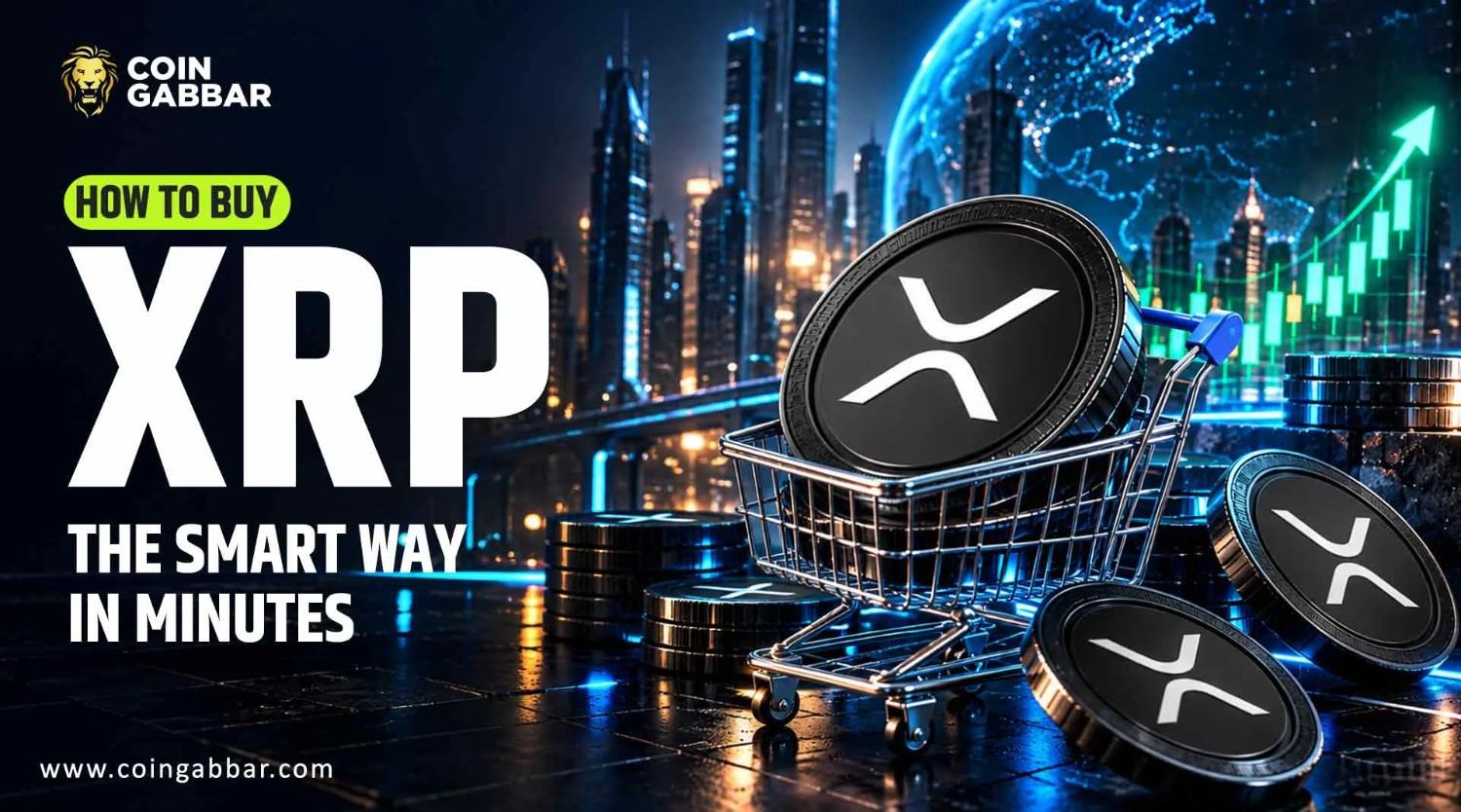
If you've been putting off how to buy XRP because it seems complicated, here's the truth: it really is not. Once you know where to go and what to click, the whole process takes about five minutes, sometimes less.
This guide walks you through the process from start to finish, whether using a card, a bank transfer, or crypto you already own. No confusing jargon, just clear steps.
What Is XRP, and Why Do People Buy It?
XRP is the native token of the XRP Ledger, a blockchain built specifically for fast, low-cost cross-border payments.
Unlike Bitcoin, which was designed as a store of value, this token was built to move money across borders in seconds, with fees that cost fractions of a cent.
That utility is exactly why so many people ask how to buy it. It's one of the oldest and most liquid cryptocurrencies in the market, and it consistently ranks among the top assets by trading volume globally.
Ripple, the company behind its development, has spent years pushing for institutional adoption in the payments space, which is part of why interest in the token never really goes away.
What You Need Before Buying
Before you go looking for where to buy it, make sure these three things are ready:
A verified account on a crypto exchange that supports it
A payment method: debit card, credit card, or bank transfer
A wallet address if you plan to move your holdings off the exchange after purchase
Most beginners skip the wallet step and just leave their tokens on the exchange at first, which is fine for small amounts.
But if you are planning to hold it for the long term, moving it to your own wallet is the smarter habit.
Best Exchanges to Buy XRP in 2026
Not every exchange supports it, and not everyone that does makes it easy to purchase. Here are the platforms most people actually use when figuring out where to start:
Exchange | Best For | Card Support | Availability |
Coinbase | Beginners in the US/EU | Yes | Available |
Kraken | Low fees, experienced users | Yes | Available |
Binance | High volume, global users | Yes | Available |
Uphold | Direct purchase | Yes | Available |
Bitstamp | EU users, bank transfer | Yes | Available |
Uphold is worth highlighting specifically because it lets you buy directly without needing to purchase Bitcoin first and then swap, a step that trips up a lot of beginners on other platforms.
Step-by-Step: How to Buy XRP on an Exchange
Here's exactly how to buy it using a card on any of the major exchanges listed above. The steps are nearly identical across all platforms.
Step 1: Create and verify your account.
Go to your chosen exchange's official website and sign up with your email. It needs to complete KYC verification (Know Your Customer), usually a government-issued ID and a selfie.
This takes anywhere from a few minutes to a couple of hours depending on the platform.
Step 2: Add your payment method.
Head to the payment or billing section and add your debit card, credit card, or bank account. Most exchanges accept Visa and Mastercard instantly. Bank transfers take 1 to 3 business days but usually carry lower fees.
Step 3: Search for the token
Once your account is funded, go to the Buy section and search for XRP or Ripple. Make sure the ticker shows XRP and not a similarly named coin. Double-check before proceeding.
Step 4: Enter your amount.
Type in how much you want to spend in your local currency, and the platform will automatically calculate how much you'll receive at the current rate. Most exchanges show the fee breakdown before you confirm.
Step 5: Confirm your purchase
Review the order summary — amount, price, and fees — then hit confirm. Your tokens will appear in the exchange wallet within seconds. That's it.
Where to Store It After Buying
Leaving your holdings on an exchange is convenient, but it means the exchange controls your private keys. If the platform gets hacked or goes offline, funds are at risk. It's a risk most people accept for short-term holdings, but not a great habit for long-term storage. This is the part that often gets overlooked.
If there is a plan to hold it for months or years, consider moving it to a dedicated wallet. Here are your main options:
Xumm Wallet: Built specifically for the XRP Ledger, free, and easy to use on mobile
Ledger (hardware wallet): Best for long-term, offline cold storage
Trust Wallet: Mobile-friendly, supports this asset alongside hundreds of other tokens
Exodus Wallet: Good for beginners who want a desktop option with a clean interface
One important detail: the XRP Ledger requires a minimum reserve of 10 XRP to activate a wallet address. This amount stays locked and is non-transferable. Factor that in when deciding how much to purchase.
How to Buy XRP With Crypto You Already Own
If you already hold Bitcoin, Ethereum, or USDT and want to convert some of it, you do not need to use a card at all. This version of the process lets you swap one crypto for another directly in the trading section on most major exchanges.
Go to the trading pair section, look for XRP/USDT, XRP/BTC, or XRP/ETH, and place a simple market order.
You'll get the tokens at the current rate, minus the exchange's trading fee. This is often the cheapest way to add it to your portfolio if you're already holding crypto.
Common Mistakes to Avoid
Most beginner errors when acquiring this token come down to rushing. Here is what to watch out for so your first attempt goes smoothly:
Sending it to the wrong wallet: Always double-check the destination address before confirming. Transactions on the XRP Ledger are irreversible.
Forgetting the destination tag: Some exchanges require a destination tag alongside the wallet address. Sending without it can result in lost funds.
Buying from unofficial sources: Only use registered, regulated exchanges. Never purchase from social media sellers or DMs.
Skipping the reserve: Remember the 10 XRP minimum wallet reserve. Do not send the entire balance expecting to use it all.
Ignoring fees: Card purchases often carry a 1.5 to 3.99% fee. Bank transfers are cheaper. Know the cost before you confirm.
Is It Safe to Buy XRP Right Now?
Safety when acquiring this token comes down to two things: where you get it and how you store it. Using a regulated, well-established exchange with two-factor authentication enabled is the baseline. From there, moving it to a personal wallet removes the exchange risk entirely.
As for market timing, that's a separate question entirely, and no guide can answer for you.
XRP's price moves with the broader crypto market, and like all cryptocurrencies, it can go up or down sharply in short periods. Buy what is comfortable losing, and do not invest money meant for something else.
Conclusion
Knowing how to buy it is genuinely one of the simpler things in crypto once done. Pick a regulated exchange, verify the account, add a payment method, and place the order. The whole process takes minutes.
The part that takes more thought is what comes after — where to store it, how much to hold, and whether it's for short-term trading or a long-term position. Those decisions are yours to make, but at least the purchasing part does not have to be complicated.
Start small, use a trusted platform, and always move larger holdings off the exchange into a wallet you control. That one habit separates careful investors from the ones who learn the hard way.
Disclaimer
This article is for informational purposes only and does not constitute financial or investment advice. Cryptocurrency markets are highly volatile. Always conduct your own research and consult a qualified financial advisor before making any investment decisions. Exchange availability and fees are subject to change.