MetaMask Review 2026: A Closer Look at Fees and Security

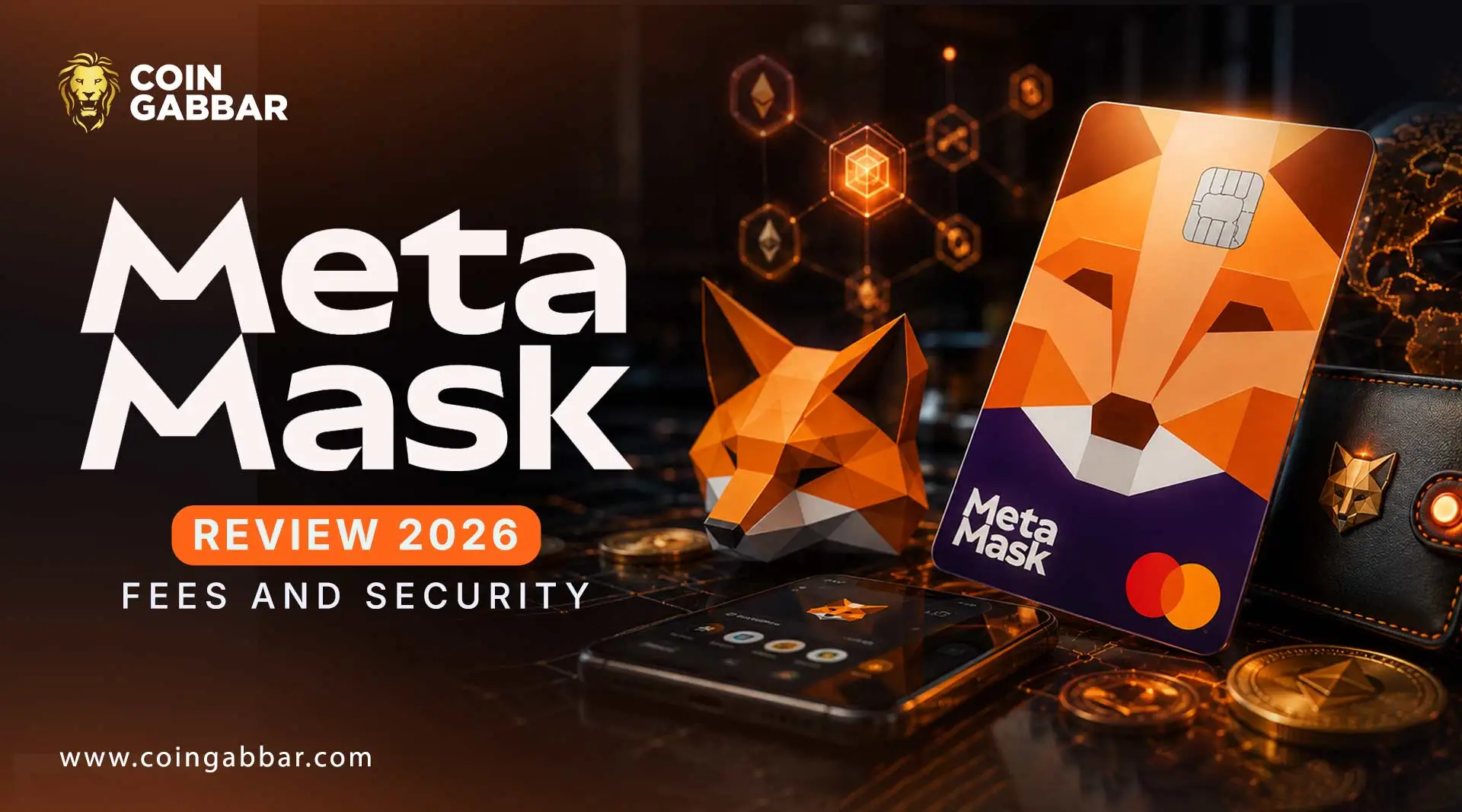
A Closer Look at What MetaMask Offers in 2026
Anyone comparing self-custody wallets this year eventually lands on the same question. Is MetaMask still the safest, most cost-effective option, or have newer wallets caught up?
This MetaMask review 2026 looks past the marketing page. It breaks down what the wallet actually charges for swaps, buys, and card spending, what its security stack really includes, and which alternatives make sense depending on how you use crypto.
You'll get a clear picture of the fee structure, the built-in protections, and the honest trade-offs. That's the information most readers are actually searching for before they commit to a wallet for daily use.
What Is MetaMask?
MetaMask is a self-custodial crypto wallet built by Consensys. That means MetaMask never holds your private keys or your funds. You control a Secret Recovery Phrase, and every transaction is signed locally on your device.
It started as a simple Ethereum browser extension. Today it works across browser extensions and mobile platforms, and covers Ethereum, Bitcoin, Solana, TRON, and other Ethereum-compatible chains, according to the project's own published FAQs.
The wallet has grown into something closer to a full money app. Beyond storing tokens, it now offers swaps, bridging, staking, a debit card, tokenized real-world assets, and leveraged perpetual trading.
What Can You Do With MetaMask?
Feature | What It Does |
Swap | Searches multiple decentralized exchanges for the best route |
Bridge | Moves tokens between networks, now folded into the Swap flow |
Buy | Lets you purchase crypto with a card or bank transfer through partner providers |
Card | A debit-style card that spends directly from your self-custody wallet |
Snaps | Third-party add-ons that extend the wallet's core functionality |
Rewards | A points program that pays out based on trading activity |
The wallet setup process stays simple: install the extension or app, create or import an account, and back up your recovery phrase offline. Everything after that runs through your own signature, not a MetaMask server.
MetaMask Fees Explained: What Will You Actually Pay?
This is where most reviews stay vague. Here's what the official documentation and support pages confirm.
Action | Fee | Notes |
Token swap | 0.875% service fee | Included in the quote, on top of network gas |
Buy crypto | 1% of the fiat value | Charged by MetaMask, separate from the provider's own processing fee |
Card spending (Virtual) | No annual fee, small per-transaction fee | Rewards 1% back in USDC on eligible purchases |
Card spending (Metal) | $199 annual fee | Physical card tier, US only at launch |
Bridge | Built into Swap pricing | Cross-chain routes vary by network availability |
The swap fee has drawn public criticism, since a 0.875% cut on a large trade can add up quickly once gas is layered on top. The project says the fee supports ongoing development, and it's disclosed in the quote before you confirm, so nothing is hidden. Still, it's worth comparing against a direct decentralized exchange for bigger trades.
One distinction matters here: the swap fee is not the same as network gas. Gas goes to the blockchain validators. The 0.875% goes to MetaMask itself, regardless of which network you're using.
How Secure Is MetaMask?
MetaMask's security architecture leans on a few core layers rather than one single feature.
Readable transactions: You see what a transaction actually does before signing, not just raw contract code.
Phishing protection: Built-in alerts flag suspicious sites and links automatically.
LavaMoat: An open-source toolset that guards against supply-chain attacks in the wallet's own code.
Live threat monitoring: The team tracks emerging scam patterns and pushes protections into the app.
Hardware wallet support: Works with Ledger, Trezor, Lattice, Keystone, and other cold-storage devices.
MetaMask has published third-party audit results and runs a public bug bounty program through its own security documentation, which is a meaningful signal for a wallet holding this much user activity. That said, an audit is not a guarantee against every future exploit, and no wallet can protect you from approving a malicious contract yourself.
Is MetaMask-Safe to Use in 2026?
For the core wallet function, yes, with the usual caveats. Your funds are only as safe as your recovery phrase and your habits around signing transactions. The built-in phishing alerts and readable-transaction previews reduce common mistakes, but they don't remove the risk entirely.
The newer products, including perpetual trading with leverage and the card, carry more risk simply because they involve additional counterparties and market exposure. Treat those as separate decisions from basic wallet custody.
What Are the Best MetaMask Alternatives?
Wallet | Strongest For | Trade-off |
Trust Wallet | Broadest multi-chain coverage in one app | Less depth in EVM-specific tooling |
Rabby | Pre-signature transaction simulation | EVM-only, no native mobile-first design for some chains |
Coinbase Wallet | Passkey-based recovery, beginner friendly | Tighter coupling to the Coinbase ecosystem |
Phantom | Best experience for Solana-heavy users | Weaker for pure EVM power users |
Ledger | Offline key storage for long-term holding | Requires pairing with a software wallet for daily use |
None of these wins outright. Choosing a crypto wallet comes down to which chains you actually use and how much you trade. Someone holding mostly Ethereum assets long-term has different needs than someone swapping tokens across five networks a week.
MetaMask-Risks You Should Know Before Using It
Swap costs on large trades: The 0.875% fee is disclosed, but it adds up fast on bigger amounts.
Phishing remains the top threat: Most self-custody losses come from signing a bad transaction, not from a stolen device.
Leverage products carry real risk: Perps and other trading tools are not the same risk category as simple holding.
Recovery phrase responsibility: There is no customer support line that can recover a lost phrase.
Conclusion
MetaMask remains one of the most widely used self-custody wallets, and its security features hold up against independent scrutiny. The fee structure is transparent, even if the swap fee draws criticism for larger trades.
For readers weighing alternatives, the right choice depends on which chains matter most and how actively you trade, not on brand recognition alone. Before committing funds, verify the current fee schedule and security documentation directly on the official site, since crypto product terms shift often.
Disclaimer
This article is for informational purposes only and does not constitute financial advice. Crypto wallets and related products carry risk, including loss of funds. Always verify details through official sources before making decisions.
Also read: