Ripple Quantum Roadmap Shows XRPL Plan Against Quantum Risks

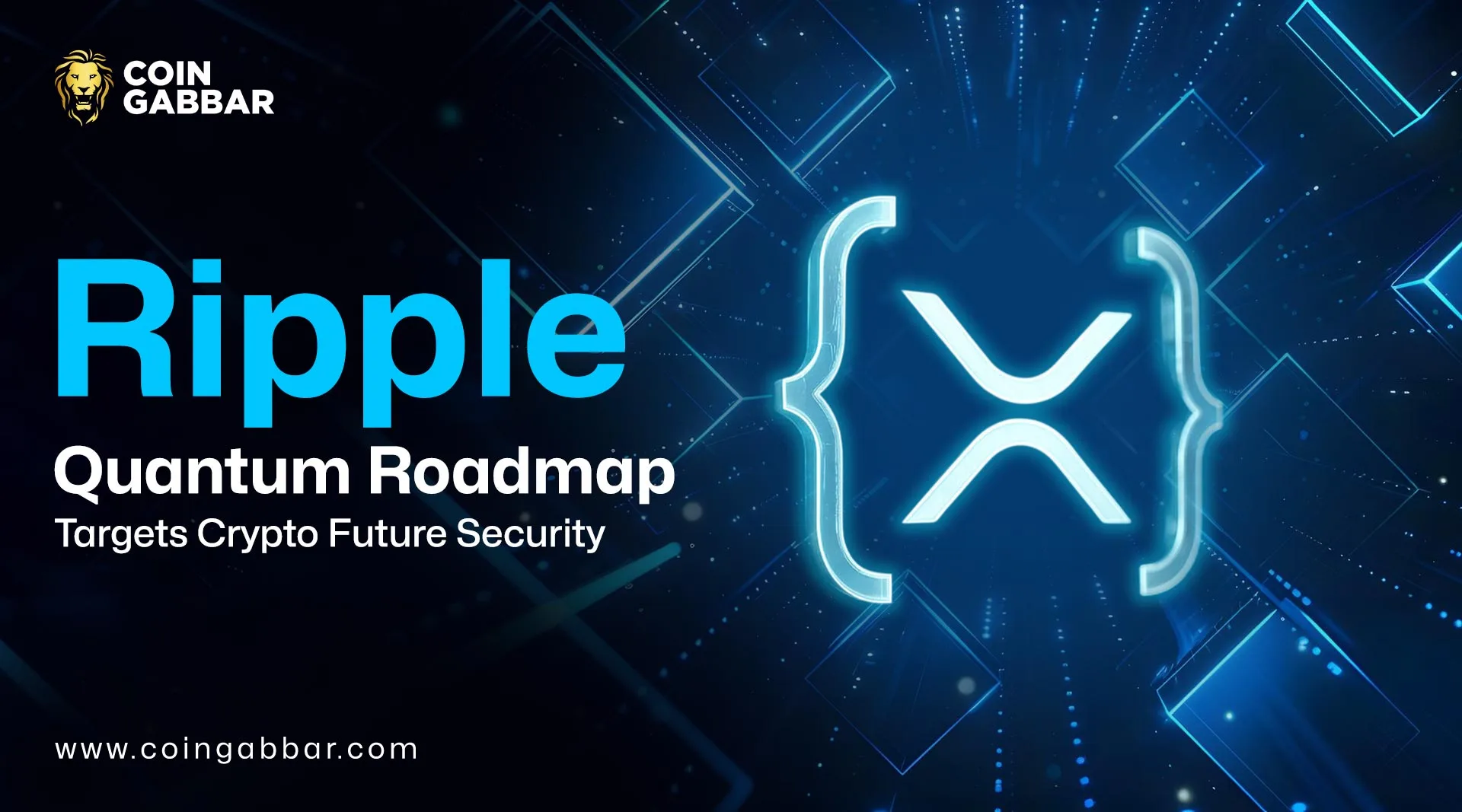
Ripple Quantum Roadmap Reveals Four-Phase Plan to Secure XRPL by 2028
How XRPL Plans to Stay Secure by 2028?
The crypto industry is entering a new phase where security is no longer just about current threats, it is about preparing for future risks. The Ripple Quantum Roadmap is a major step in that direction, positioning the XRP Ledger (XRPL) as one of the first blockchains actively preparing for quantum computing risks.
This development comes at a time when concerns around quantum computing crypto risk are increasing. With advancements in quantum research, traditional cryptographic systems used in blockchains may become vulnerable. In response, Ripple has introduced a structured plan to upgrade XRPL security before such threats become real.
This blog explores the full Ripple Quantum Roadmap, its phases, its impact on the blockchain ecosystem, and why it could shape the blockchain security future.
What Triggered the Ripple Quantum Roadmap?
The latest XRP Ripple news highlights Ripple’s proactive approach toward quantum threats. The key concern is a concept known as:
Harvest now, decrypt later
Hackers can collect encrypted blockchain data today
Break it later when quantum computers become powerful
This is not an immediate threat, but it is a future vulnerability that requires early action.
Ripple’s response is not reactive—it is strategic. The Ripple Quantum Roadmap aims to prepare XRPL before quantum computing reaches a level where current cryptographic methods become obsolete.
Understanding the Quantum Threat in Crypto
To understand the importance of the Ripple Quantum Roadmap, it is essential to know how blockchain security works today.
Most blockchains rely on cryptographic algorithms that are:
Secure against classical computers
Extremely difficult to break using current technology
However, quantum computers operate differently. They can solve complex mathematical problems much faster, potentially breaking encryption used in blockchain wallets and transactions.
This is where post-quantum cryptography becomes important. It refers to new cryptographic methods designed to withstand quantum attacks.
The idea of a quantum-resistant blockchain is built on this concept—creating systems that remain secure even in a quantum-powered future.
Ripple Quantum Roadmap: The 4-Phase Plan
The Ripple Quantum Roadmap is structured into four clear phases, each designed to gradually transition XRPL into a quantum-secure system.
Phase 1: Emergency Readiness (Q-Day Planning)
Ripple is preparing for a scenario where quantum computing suddenly becomes capable of breaking existing encryption.
Emergency protocols for wallet security
Rapid migration mechanisms to safer cryptography
User protection strategies
Phase 2: Testing Quantum-Resistant Algorithms (2026)
This phase focuses on experimentation and validation.
Testing new cryptographic models
Evaluating performance impact
Ensuring scalability of XRPL
This stage is critical because quantum-safe algorithms are often heavier and slower.
Phase 3: Hybrid Cryptography Model
Ripple plans to introduce a dual system:
Existing cryptography continues
Quantum-resistant systems run alongside
This ensures:
Smooth transition
Developer compatibility
No disruption to the ecosystem
Phase 4: Full Upgrade by 2028
The final phase completes the transformation.
Full adoption of quantum-safe cryptography
Removal of vulnerable legacy systems
XRPL becomes future-ready
This aligns with the broader XRPL quantum roadmap 2028, which sets a clear timeline for transformation.
Why Ripple’s Approach Stands Out?
Most blockchains are still focused on:
Scaling
Transaction speed
DeFi growth
Ripple is focusing on long-term survival.
The Ripple Quantum Roadmap is not just a technical upgrade—it is a strategic move toward building trust and sustainability.
Key advantages:
Early adoption of quantum-resistant solutions
Clear roadmap with deadlines
Focus on infrastructure security
This strengthens the XRP Ripple blockchain security plan and positions XRPL ahead in future-readiness.
XRPL vs Other Blockchains: Security vs Growth
Data platforms like DeFiLlama show that most chains are competing on:
Total Value Locked (TVL)
DeFi ecosystem growth
User activity
However, few are addressing long-term threats like quantum computing.
This creates a clear contrast:
Focus Area | Most Chains | XRPL |
Growth | High | Moderate |
DeFi Expansion | Strong | Limited |
Future Security | Low focus | High focus |
The Ripple Quantum Roadmap highlights a shift from short-term metrics to long-term resilience.
How XRPL Quantum Security Impacts Users?
The upgrade is not just technical—it directly affects users and investors.
With XRPL quantum security, users can expect:
Better protection of wallet keys
Reduced risk of future hacks
Improved trust in long-term holdings
For institutions, this is even more important. Security is a key factor in adoption, and Ripple’s proactive approach strengthens confidence.
Ripple XRP Ledger Upgrade 2028: What It Means
The Ripple XRP Ledger upgrade 2028 represents a full transition to quantum-safe infrastructure.
This means:
All transactions secured with advanced cryptography
Legacy vulnerabilities removed
Network prepared for future technological shifts
This upgrade aligns with the broader XRP Ledger future roadmap, which focuses on sustainability and long-term usability.
The Bigger Picture: Blockchain Security Future
The Ripple Quantum Roadmap reflects a larger industry shift.
In the coming years, blockchain competition will not only be about:
Speed
Fees
Adoption
It will also be about:
Security
Reliability
Future-proofing
The concept of blockchain security future is becoming central, especially as technologies like AI and quantum computing evolve.
Challenges in Implementing Quantum Resistance
While the roadmap is strong, there are challenges:
Quantum-resistant algorithms are complex
Performance trade-offs may occur
Adoption requires ecosystem-wide changes
Despite this, Ripple’s phased approach reduces risk and allows gradual adaptation.
Why This Matters for Investors?
For investors, the Ripple Quantum Roadmap signals:
Long-term vision
Reduced future risk
Strategic positioning
Projects that focus only on short-term growth may struggle when new technological threats emerge.
Ripple’s approach suggests a focus on durability over hype, which can be a strong differentiator.
Ripple XRP Quantum-Resistant Blockchain Vision
Ripple’s goal is to evolve XRPL into a fully Ripple XRP quantum-resistant blockchain.
This includes:
Advanced cryptographic systems
Secure transaction frameworks
Future-ready infrastructure
This vision places Ripple among the few projects actively preparing for next-generation risks.
Is Ripple Ahead of the Curve?
The Ripple Quantum Roadmap shows that the company is thinking beyond current trends and focusing on long-term security challenges.
While many blockchains compete for market share today, Ripple is preparing for a future where security could define survival.
This roadmap is not just about technology—it is about trust, reliability, and sustainability.
If quantum computing becomes a real threat to crypto, projects like XRPL that act early may gain a significant advantage.
Conclusion
The Ripple Quantum Roadmap is a forward-looking strategy that addresses one of the biggest future risks in crypto. By planning a structured transition toward quantum-resistant systems, Ripple is setting a new standard in blockchain security.
This move strengthens the XRP Ripple Quantum Roadmap narrative as not just a technical upgrade, but a long-term survival strategy. As the industry evolves, security will play a critical role, and Ripple’s early action could position it as a leader in the next phase of blockchain development.
Disclaimer: This content is for informational purposes only and not financial advice. Always do your own research before making any investment decisions.