Trading vs Holding Crypto: Which Approach Should You Choose?

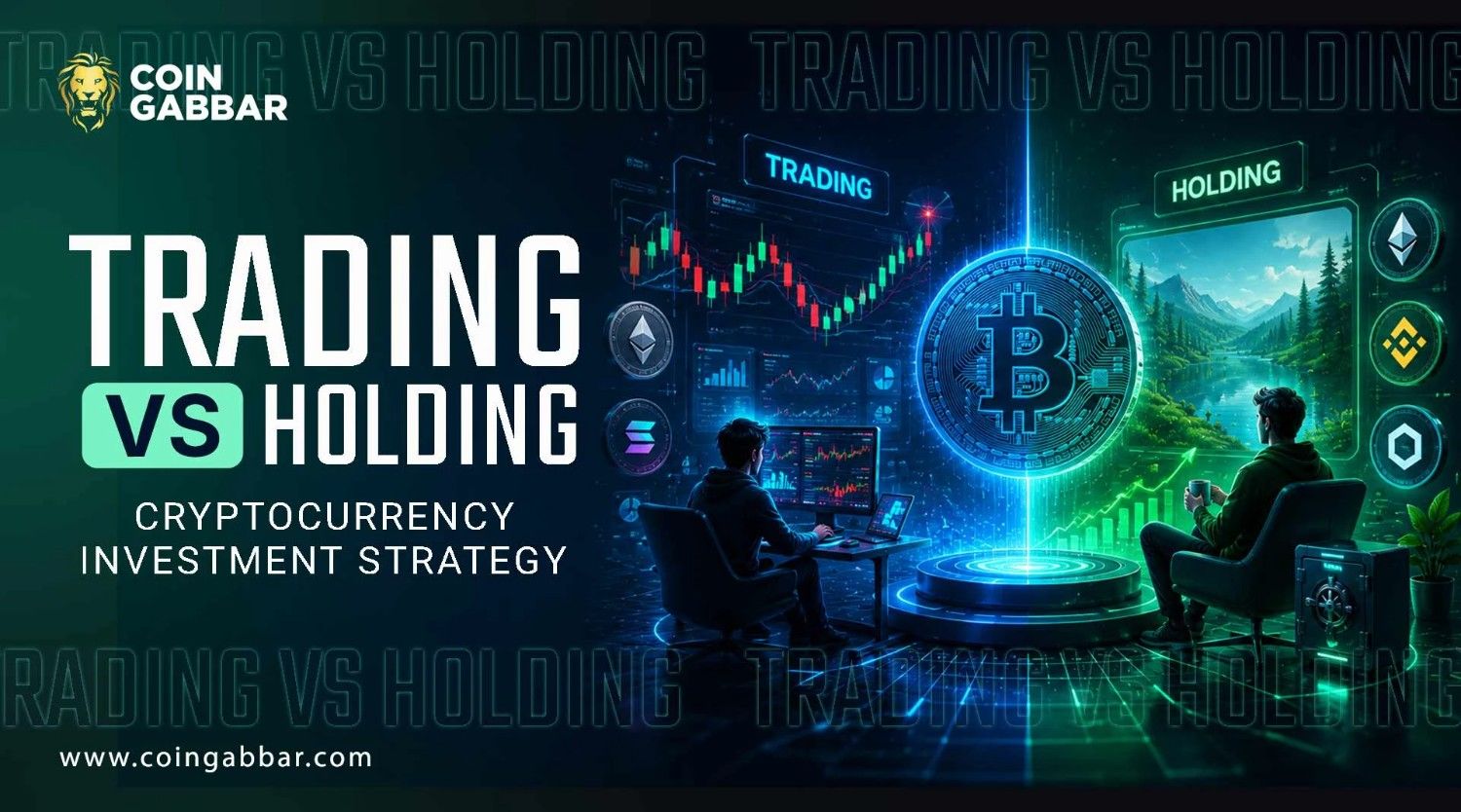
Trading vs Holding Crypto: Which Is Better?
Losing money on a rushed decision is one of the most common regrets in crypto. Most of the time, it comes down to one simple choice made early: do you trade a lot, or do you just hold and wait?
That's why understanding trading vs holding crypto matters so much heading into 2026. Both ways can grow your money, but they work in totally different ways, and each has its own trade-offs.
What Is Crypto Trading?
Crypto trading means buying and selling often, sometimes within hours, to catch quick price moves. A trader isn't thinking about where a coin will be in five years. They care about where it might be by Friday.
Because it moves fast, trading can bring quick profit, sometimes in the same day. But that speed is also its biggest problem. Prices can turn against you in minutes, and one bad move can wipe out several good ones.
Trading suits people who can watch the market closely, not people who want to set it and forget it.
Common examples of crypto trading:
Day trading (opening and closing a trade on the same day)
Swing trading (holding a position for a few days or weeks to catch a bigger move)
Scalping (lots of small, fast trades for small profits)
Arbitrage (buying cheap on one exchange, selling higher on another)
Exchange trading, using spot or futures on platforms like Binance or Coinbase
All of these need quick access to your money. That's why most traders keep their coins in a hot wallet or right on the exchange, ready to move at any time.
What Is Crypto Holding?
Crypto holding, often called "HODLing," means buying coins and just sitting on them, sometimes for years, without worrying about daily price swings.
The bet isn't on this week's chart. It's about where the coin ends up much further down the line.
Since a holder isn't reacting to every small dip, this way is a lot less stressful day to day.
Your money stays put through every crash and every rally. The catch is patience. Watching a coin stay flat, or even fall, for months without touching it isn't easy. It's not built for fast profit. It's built for the long run.
Common examples of crypto holding:
Long-term HODLing (buying and holding through market ups and downs, no selling)
Dollar-cost averaging (buying a fixed amount on a set schedule, no matter the price)
Staking (locking up coins to earn rewards while still for the long term)
Cold storage, keeping most of your funds untouched for years
If it's crypto you buy and don't plan to touch anytime soon, that's a holding position.
Trading vs Holding Crypto: Risk Comparison
Risk is where the real difference shows up. Traders carry risk on almost every move they make, since prices can flip in minutes. One missed signal or a slow exit can cost real money.
Holders skip most of that daily risk. Since they aren't reacting to short-term swings, day-to-day risk drops a lot. Their main worry shifts to something else instead: how safely those crypto coins are stored for the long haul.
For anyone looking closely at trading vs holding crypto, this is the main point: trading trades safety for speed, while holding trades speed for safety.
Trading vs Holding Crypto: Time & Effort Comparison
Effort flips things around completely. Trading wins here if you actually enjoy the process. Watching charts, reacting to news, and adjusting your trades can happen many times a day.
It needs a lot less hands-on work. You might check in once a month, without needing to react to every headline. That distance is on purpose. It's a built-in guard against rushed, emotional decisions.
If you're comparing trading vs holding crypto just on time, It wins easily for anyone who doesn't want a crypto trading project taking over their day.
Trading vs Holding Crypto: Cost Comparison
Trading usually comes with regular costs. Every trade can carry a fee, and depending on where you live, frequent buying and selling can also mean more tax to deal with.
Holding usually means far fewer transactions, so fewer fees add up. In many places, $holding long-term digital platfroms also gets better tax treatment than short-term trading profits.
For beginners still learning, that cost gap matters a lot. But for anyone thinking long-term, the lower ongoing cost of holding is often seen as a fair trade for skipping quick profits.
Quick Comparison Table
Factor | Trading | Holding |
Time Horizon | Hours to weeks | Months to years |
Risk Level | Higher, exposed to daily swings | Lower day-to-day, higher storage risk |
Effort Needed | High, constant watching | Low, occasional check-ins |
Best For | Active traders, quick profits | Long-term investors, steady growth |
Typical Costs | Frequent fees and tax events | Fewer fees, often better tax treatment |
Wallet Type | Hot wallet, quick access needed | Cold wallet, long-term safety |
Which One Should You Actually Choose?
For most people, the honest answer isn't picking just one. A good trading vs holding crypto approach for 2026 usually means keeping a small, active part for trading while keeping most of your money in a long-term spot.
This is a lot like how people handle everyday money and savings. You don't put your whole paycheck into daily spending, and the same idea works here too.
A Few Strategy Basics Worth Knowing
No matter which side you lean toward, a few simple habits matter more than the strategy itself. Keep only the coins you're actively trading with in a hot wallet, and move the rest into cold storage once you're done trading for the day.
If you trade, always check the price and fees before you confirm anything. If you hold, try not to check prices all the time; that habit is what pushes many holders into trades they never planned to make.
What to Know Before Making a Decision
If you're still stuck on the trading vs $holding question, start by being honest about how much time you really have. People who enjoy watching the market naturally lean toward trading. People who'd rather step back get more out of simply it.
A lot of experienced users end up doing both, splitting their money by purpose instead of picking just one way. That kind of mixed approach tends to work best over time.
Conclusion
At the end of the day, trading vs $holding digital assets isn't really about which one is "better." It's about which one fits your life. If you like watching charts and can handle quick ups and downs, trading might feel exciting and rewarding. If you'd rather buy something solid and let time do the work, it is probably the calmer, easier path.
Most people don't have to pick just one side forever. You can trade a small amount you're okay losing and hold the rest for the long run. That way you get a bit of both worlds: some action and some peace of mind.
Whatever you choose, go in with a clear head. Know your risk, know your time, and pick the wallet and strategy that actually match how you live, not just what looks exciting on day one.
Disclaimer
This article is for informational purposes only and does not offer financial or investment advice. It strategies should match your own goals and risk comfort. Please do your own research and talk to a financial professional for advice specific to your situation.