Crypto Bull Run: Coinbase Crypto Loans Hit $2.3B as XLM and ONDO Lag, While Stakers Rush Into Pepeto Before Listing


Every crypto bull run starts the same quiet way: owners stop selling. Coinbase now has $2.3 billion in crypto backed loans outstanding, up from $1.4 billion in mid September, Crypto Briefing reported on October 17. All of it is borrowed against coins their owners chose to keep.
Kept coins have paid before. The last bull run took the market from about $500 billion in November 2020 to $3 trillion, per The Block.
Yet a coin that just sits in a wallet earns nothing until the run arrives. Pepeto holders are earning while they wait, through staking in its presale, and they have put in more than $11.1 million before listing.
Crypto Bull Run Signal: Coinbase Crypto Loans Reach $2.3 Billion Outstanding
Coinbase's crypto loan book grew by roughly $900 million in about a month. In mid September, variable rate loans stood at $1.4 billion, backed by about $3 billion in crypto. That is a lot of owners who would rather borrow than sell.
A loan lets an owner get cash and keep the coin. That deal pays off most when the coin is worth more later, the exact bet every bull run rewards. The catch is the interest bill, which runs the whole time the owner waits.
Bull Run Picks: One Presale That Pays Stakers, Two Large Caps Still Far From Their Peaks
Pepeto: A Presale That Pays You to Hold, With Rewards Unlocked at Listing
Pepeto flips that bill around, because holders who stake get paid instead of paying. It comes from the cofounder of the original Pepe, with a former Binance expert helping build it.
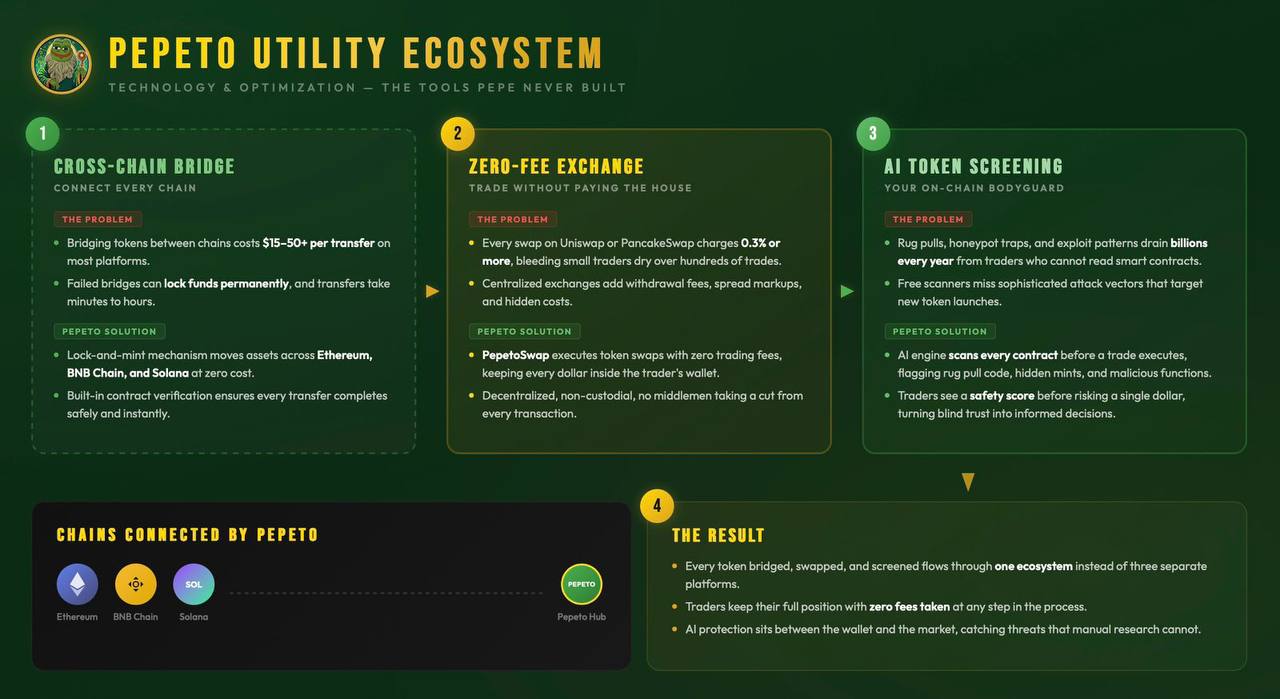
Four things set it apart for a bull run. First, the rewards you earn while waiting. Presale staking pays a 161% APY right now, and the live rate shows before you stake.
Second, the timing. Rewards can be claimed at listing, so they land the moment the token can trade. A holder with idle coins gets the price move only, while a staker gets the move and the rewards.
Third, the checks. An outside firm, SolidProof, reviewed the code and the team's KYC, so buyers do not have to take anyone's word for it.
Fourth, the costs. PepetoSwap, the project's live exchange, charges a 0.00% swap fee. Moving or selling rewards later costs only network gas, and nothing leaves your wallet. On Uniswap, a $1,000 swap would cost $3.
The current stage sits at $0.00000019 and ends when its timer runs out or its target is hit, whichever comes first. Pepeto's Binance listing is also approaching. Every bull run has a deadline for the best entries, and stakers who got in before it earn on both the price and the rewards.
Stellar Trades 81% Under Its 2018 Peak, Even as $4 Billion in Assets Sits on It
Stellar's XLM trades at $0.1804, per CoinMarketCap, about 80.7% below its $0.9381 peak from January 2018. Chainlink data feeds went live on Stellar, home to over $4 billion in tokenized real world assets, Crypto Briefing reported on October 14.
Still, XLM needs about 5.2x to get back to a peak last seen in 2018. That is a real target, but a long climb for a coin that has already waited eight years.
Ondo Passes $4 Billion Locked, While ONDO Sits 79% Under Its High
ONDO trades at $0.4531, per CoinMarketCap, about 78.8% below its $2.14 peak from December 2024. Ondo's total value locked passed $4 billion, including $3 billion in tokenized Treasuries, TheStreet reported on October 14.
So far, the business has grown faster than the token. ONDO needs about 4.7x to reach its record, a fine result, but slow for a $2.21 billion coin.
Crypto Bull Run Verdict: $2.3 Billion Borrowed Against Kept Coins, While Pepeto Still Sells at Presale Price
The crypto bull run signal is plain: people owe $2.3 billion against coins they refuse to sell. Stellar and Ondo show real growth, yet each still needs about 5x just to reach its old peak.
The last run grew the market sixfold, and the biggest wins went to coins held early. Pepeto's presale is that kind of entry, with staking rewards building up before the token even trades.
Each stage ends on a timer or a target, and the next one costs more. The buyers who take a seat on the Pepeto official website now carry the presale price and their rewards into the run. Everyone who waits buys that same coin after it has already moved.
Click To Visit Pepeto Website To Enter The Presale

FAQs
Is a crypto bull run coming?
Yes, signs point that way, because Coinbase crypto backed loans hit $2.3 billion on October 17. The last crypto bull run grew the market from $500 billion to $3 trillion.
Which presale pays holders before the bull run?
Pepeto does, so its early stakers enter the bull run holding both the presale price and their rewards. Each new stage on the Pepeto official website costs more.