Syntax Verse Daily Quiz April 2026: Questions, Answers & Vaults

April's Syntax Verse challenges asked why DAOs set voting thresholds, how wallets protect keys, and what makes DeFi and NFTs work. The entries below cover the available dates from 1 to 30 April, keeping the reported answers beside each question. In one round, the focus was on when blockchain transactions become final; another asked why NFT metadata may be stored with IPFS. You will also find questions about token burns, liquidity incentives, and transaction nonces. Original Vault images appear where they were included in the source.
April 2026 Quiz Log: From Governance to Wallet Security
Find April's question under its date and read the letter chosen in that day's record. Vault images belong to their own task, separate from the written quiz.
Syntax Verse Daily Quiz – 01 April 2026
Question: Why do DAOs set quorum requirements for governance proposals?
Correct Answer: A) To ensure enough members participate before a decision passes.
Syntax Verse Daily Quiz – 02 April 2026
Question: liquidity mining rewards attract early users to a new DeFi protocol?
Correct Answer: D) They provide additional tokens to users supplying liquidity.
Syntax Verse Daily Quiz – 03 April 2026
Question: Why must users break the cipher before accessing the regular SyntaxVerse Vault?
Correct Answer: B) It verifies engagement before rewards become available.
Syntax Verse Daily Quiz – 04 April 2026
Question: Why do strong token utility models often improve long-term project sustainability?
Correct Answer: C) Tokens gain real use within the ecosystem.
Syntax Verse Daily Quiz – 05 April 2026
Syntax Verse Daily Quiz – 06 April 2026
Question: Why are active secondary markets important for NFT collections?
Correct Answer: C) They allow holders to trade assets after the initial mint.
Syntax Verse Daily Quiz – 07 April 2026
Question: Why are cross-chain bridges critical for multi-chain ecosystems?
Correct Answer: D) They allow assets to move between different blockchains.
Syntax Verse Daily Quiz – 08 April 2026
Question: Why do some token holders delegate their governance voting power instead of voting themselves?
Correct Answer: D) Delegates may follow proposals more closely and vote consistently.
Syntax Verse Daily Quiz – 09 April 2026
Question: Why do traders prefer pools with deeper liquidity when swapping tokens?
Answer: B) Deeper pools reduce price impact during larger trades.
Syntax Verse Daily Quiz – 10 April 2026
Question: Why is transaction finality important in blockchain networks?
Correct Answer: A) It confirms that a transaction cannot be reversed after a certain point.
Syntax Verse Daily Quiz – 11 April 2026
Question: Why do some NFT projects introduce additional utilities after launch?
Correct Answer: A) Added benefits can strengthen long-term community engagement.
Syntax Verse Daily Quiz – 12 April 2026
Question: Why might a protocol implement periodic token burns?
Correct Answer: C) Removing tokens can reduce circulating supply over time.
Syntax Verse Daily Quiz – 13 April 2026
Question: Why is the scope of a smart contract audit important when evaluating security?
Correct Answer: B) It shows exactly which parts of the code were reviewed.
Syntax Verse Daily Quiz – 14 April 2026
Question: Why must users sign transactions before submitting them to a blockchain?
Correct Answer: D) Signing proves the wallet owner approved the action.
Syntax Verse Daily Quiz – 15 April 2026
Question: Why can very high liquidity incentives sometimes create short-term participation in DeFi pools?
Correct Answer: C) Users may provide liquidity mainly to farm rewards and leave later.
Syntax Verse Daily Quiz – 16 April 2026
Question: How do users typically earn on DeSocial platforms?
Correct Answer: A) Token rewards for engagement.
Syntax Verse Daily Quiz – 18 April 2026
Question: Why do projects try to balance token utility with market speculation?
Correct Answer: A) Real use cases can help sustain interest beyond trading activity.
Syntax Verse Daily Quiz – 19 April 2026
Question: Why do experienced crypto users double-check wallet addresses before confirming a transaction?
Correct Answer: D) Blockchain transactions cannot be reversed once sent.
Syntax Verse Daily Quiz – 20 April 2026
Question: Why do many NFT projects store metadata on decentralized storage systems like IPFS?
Correct Answer: C) It reduces reliance on a single centralized server.
Syntax Verse Daily Quiz – 21 April 2026
Question: Why is composability a powerful feature of DeFi protocols?
Correct Answer: B) Different protocols can interact and build on each other's functions.
Syntax Verse Daily Quiz – 22 April 2026
Question: Why do many DAOs require a minimum token threshold before someone can submit a governance proposal?
Correct Answer: A) To reduce spam proposals and ensure serious submissions.
Syntax Verse Daily Quiz – 23 April 2026
Question: Why can liquidity fragmentation across multiple platforms make trading less efficient?
Correct Answer: C) Liquidity spread across pools can increase price impact for trades.
Syntax Verse Daily Quiz – 24 April 2026
Question: Why do long-term crypto holders often move assets into cold storage?
Correct Answer: D) Private keys remain offline and less exposed to online threats.
Syntax Verse Daily Quiz – 25 April 2026
Question: Why do some cryptocurrencies enforce a maximum token supply?
Correct Answer: A) Scarcity can help preserve value over long periods.
Syntax Verse Daily Quiz – 27 April 2026
Question: Why do some smart contracts include admin or permission roles?
Correct Answer: B) Certain functions may require controlled access for maintenance or upgrades.
Syntax Verse Daily Quiz – 28 April 2026
Question: Why can strong network effects accelerate growth in Web3 platforms?
Correct Answer: B) More users can increase the value and usefulness of the ecosystem.
Syntax Verse Daily Quiz – 29 April 2026
Question: Why can extremely high yield rates in DeFi be difficult to sustain long-term?
Correct Answer: C) Rewards often rely on continuous token emissions or new user inflows.
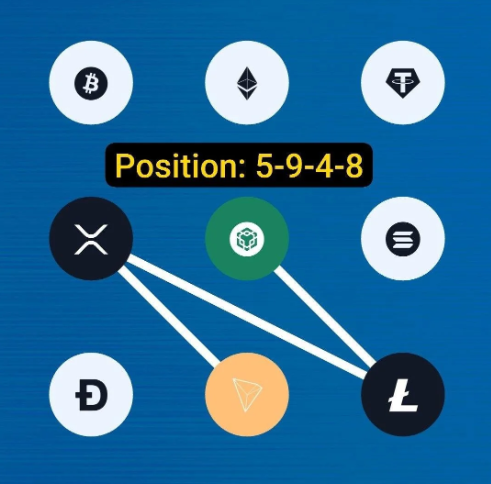
Syntax Verse Daily Quiz – 30 April 2026
Question: Why is the transaction nonce important in blockchain transactions?
Correct Answer: B) It ensures transactions from a wallet are processed in the correct order.
Explore Previous Syntax Verse Quizzes
To review another month's questions, go to Syntax Verse Daily Quiz; for other crypto game activities, browse the Daily Crypto Rewards hub.
April Quiz Review
April's answer list spans governance, token utility, cold storage, and transaction order. These entries preserve the choices reported for those dates. Check the current game's question before acting on any old answer.
Disclaimer: Old Quiz Results
April's questions and Vault images are historical records. Later rounds may use new answers or rules, and game rewards are not guaranteed earnings. Check official directions, protect wallet credentials, and research crypto risks. This is not financial advice.






