Syntax Verse Daily Quiz March 2026 Answers by Date

Looking for Syntax Verse Daily Quiz answers from March 2026? This archive brings together the recorded daily questions, correct answers, and available Vault Pattern images from 1 to 29 March. Each entry follows its original date, making it easy to review the Web3 topics covered during the month. These are past answers, so always check the active quiz before using them in a new round.
Syntax Verse Daily Quiz March 2026: Date-Wise Answers
March featured questions about Web3 gaming, token rules, DAO voting, DeFi, wallets, and NFT ownership. The answers below follow the original daily records, with images included where the original file could be recovered.
Syntax Verse Daily Quiz – 01 March 2026
Question: How does the play-and-earn model differ from traditional gaming?
Correct Answer: A) Players can own and trade in-game assets.
Syntax Verse Daily Quiz – 02 March 2026
Question: Why do some DAOs reward users for voting on proposals?
Correct Answer: B) To encourage informed participation in decision-making.
Syntax Verse Daily Quiz – 03 March 2026
Question: How can vesting schedules reduce sudden market sell pressure?
Correct Answer: A) By locking tokens and releasing them gradually over time.
Syntax Verse Daily Quiz – 05 March 2026
Question: Why can social recovery wallets be safer than relying only on a seed phrase?
Correct Answer: B) Trusted contacts can help restore access if keys are lost.
Syntax Verse Daily Quiz – 06 March 2026
Question: Why does price increase automatically in a bonding curve token model?
Correct Answer: C) Price is mathematically tied to the growing supply.
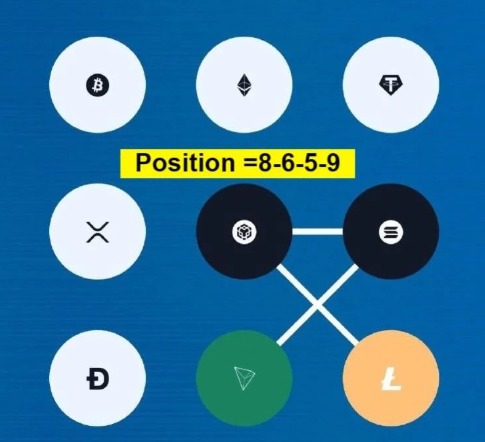
Original Vault Pattern Image:
Syntax Verse Daily Quiz – 07 March 2026
Question: Why are human-readable wallet names useful in Web3 identity systems?
Correct Answer: D) They make interactions easier and less error-prone.
Syntax Verse Daily Quiz – 08 March 2026
Question: How do token sinks help stabilize a Web3 game economy?
Correct Answer: A) By removing tokens through gameplay usage.
Syntax Verse Daily Quiz – 09 March 2026
Question: Why might a DAO keep part of its treasury in stable assets instead of only its native token?
Correct Answer: A) To reduce exposure to token price volatility.
Syntax Verse Daily Quiz – 10 March 2026
Question: Why can a DeFi aggregator sometimes offer a better swap outcome than using a single DEX directly?
Correct Answer: D) It splits trades across pools to reduce slippage.
Syntax Verse Daily Quiz – 11 March 2026
Question: What risk comes with using upgradeable smart contracts?
Correct Answer: B) Future changes may alter rules users originally trusted.
Syntax Verse Daily Quiz – 12 March 2026
Question: How does community tokenization change user involvement in a project?
Correct Answer: C) Users gain a stake tied to participation and contribution.
Syntax Verse Daily Quiz – 13 March 2026
Question: Why is adding a passphrase to a hardware wallet considered advanced security?
Correct Answer: A) It creates an additional hidden wallet layer.
Syntax Verse Daily Quiz – 14 March 2026
Question: Why can very high token velocity be a concern for a project?
Correct Answer: A) Tokens are traded quickly instead of being held long-term.
Syntax Verse Daily Quiz – 15 March 2026
Question: Why are on-chain event credentials more useful than traditional tickets?
Correct Answer: D) They create verifiable proof of attendance across platforms.
Syntax Verse Daily Quiz – 16 March 2026
Question: Why can protocol-owned liquidity make a DeFi project more resilient during market volatility?
Correct Answer: A) The protocol controls its own liquidity instead of relying only on external LPs.
Syntax Verse Daily Quiz – 17 March 2026
Question: Why do many DAOs use snapshot voting before executing on-chain proposals?
Correct Answer: B) To measure community sentiment without gas costs.
Syntax Verse Daily Quiz – 18 March 2026
Question: How can delayed NFT reveals influence buyer behavior during mint?
Correct Answer: C) They add uncertainty that can increase excitement and demand.
Syntax Verse Daily Quiz – 19 March 2026
Question: Why is account abstraction considered a major UX improvement for wallets?
Correct Answer: D) Wallets can include programmable rules like spending limits and recovery.
Syntax Verse Daily Quiz – 20 March 2026
Question: What long-term effect can token buybacks have on a project’s token economy?
Correct Answer: A) Reduced circulating supply over time.
Syntax Verse Daily Quiz – 21 March 2026
Question: Why are referral streaks more rewarding than one-time invites in SyntaxVerse?
Correct Answer: C) Consistent invites increase progression and bonus rewards.
Syntax Verse Daily Quiz – 22 March 2026
Question: Why is tokenized land ownership important in metaverse platforms?
Correct Answer: A) Owners can develop, trade, or monetize their digital space.
Syntax Verse Daily Quiz – 23 March 2026
Question: Why can poorly designed token emission schedules hurt a project over time?
Correct Answer: B) Too many tokens enter circulation too quickly.
Syntax Verse Daily Quiz – 24 March 2026
Question: Why does slippage increase when trading large amounts in low-liquidity pools?
Correct Answer: C) The trade significantly shifts the pool's price balance.
Syntax Verse Daily Quiz – 25 March 2026
Question: Why do projects use multisig wallets for treasury management?
Correct Answer: A) Multiple approvals reduce single-point control risk.
Syntax Verse Daily Quiz – 26 March 2026
Question: How can on-chain reputation influence participation in Web3 communities?
Correct Answer: B) Past activity can build trust and unlock opportunities.
Syntax Verse Daily Quiz – 27 March 2026
Question: Why might fractional ownership increase liquidity for high-value NFTs?
Correct Answer: D) Smaller portions are easier for more people to buy and trade.
Syntax Verse Daily Quiz – 28 March 2026
Question: Why might switching RPC endpoints resolve failed wallet transactions?
Correct Answer: B) Some endpoints may be overloaded or out of sync.
Syntax Verse Daily Quiz – 29 March 2026
Explore More Daily Combo Archives
For answers from other months, explore the Syntax Verse Daily Quiz category. You can also visit the Daily Crypto Rewards hub to find more crypto quizzes, word puzzles, and daily challenge guides.
Conclusion
March 2026 brought Syntax Verse questions about blockchain security, DeFi, digital assets, and community governance. The dated answers above preserve the available quiz records, while the original Vault Pattern image is included where recovered. Check the official app for any active challenge.
Disclaimer
This archive is for information and historical reference only. Past quiz answers and Vault Patterns may not work in later rounds. Game rules, rewards, and token availability may change. Use official channels and never share your wallet recovery phrase or private keys. This is not financial advice.









