 BitMart
GOLD COIN Listing (GOLD) BitMart Listing Update
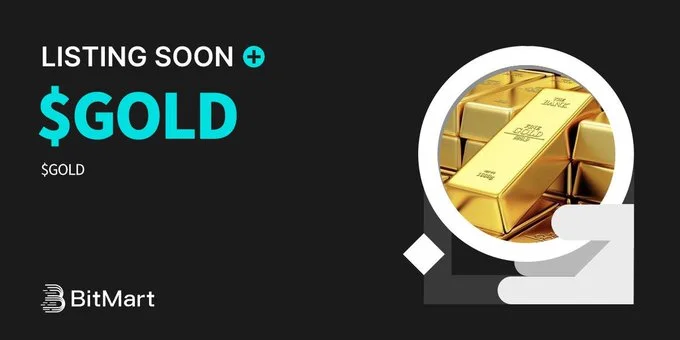
GOLD COIN (GOLD) began spot trading on BitMart on December 6, 2025. However, the exchange later removed the token's GOLD/USDT market on December 19, 2025, following a request from the project. This article explains the key dates, token details, exchange decisions, and risks for anyone researching this asset.
The market is no longer supported on that platform. Users should not treat its past launch date as proof of current trading access. The official notices provide a clear history of when deposits, trading, and withdrawals became available and when those services ended.
Key Trading Dates and GOLD Token Status on BitMart
- Project Name: GOLD COIN
- Token Symbol: GOLD
- Blockchain: BNB Smart Chain (BEP-20)
- Exchange: BitMart Spot
- Trading Pair: GOLD/USDT
- Trading Zone: Innovation
- Deposit Opening: December 5, 2025, 10:00 UTC
- Trading Start: December 6, 2025, 10:00 UTC
- Trading Closure: December 19, 2025, 08:00 UTC
- Withdrawal Deadline: January 19, 2026, 08:00 UTC
- Current Exchange Status: Delisted
- Total Supply: 420,000,000,000,000,000 tokens
- Last Verified: October 24, 2026
The original spot-market announcement confirmed the start date and trading pair. A later notice announced the removal of the market and the end of withdrawal support. These events are important because the project is no longer an upcoming launch on this exchange.
What Is GOLD COIN and Which Blockchain Does It Use?
GOLD COIN is a cryptocurrency project that uses the BNB Smart Chain network. Its identity is linked to the idea of combining blockchain technology with the traditional appeal of precious metals.
The project's public description presents the asset as a digital token associated with the value and symbolism of the metal. However, this statement alone does not prove that each unit has physical reserves or a fixed redemption value.
Investors should distinguish a brand concept from an asset-backed financial product. A token may use commodity-themed branding without offering legal ownership of the underlying material. Such claims require independent documentation and proof.
The project's contract address is 0xf980b8e83bb4960e53aea723a7375692fbe7c96a. Users should verify this information with trusted sources before interacting with any smart contract.
Why the Exchange Removed the GOLD USDT Trading Pair
On December 19, 2025, the platform announced that it would discontinue the GOLD/USDT market. According to the official notice, the action followed a request from the project team.
Deposits and trading stopped at 08:00 UTC on the same day. Users were instructed to cancel open orders and withdraw their assets before the stated deadline.
The final withdrawal cutoff was January 19, 2026, at 08:00 UTC. This date has already passed, making it especially important for holders to check the latest account and asset-support information.
The announcement did not explain the full reasons behind the team's request. It would therefore be inaccurate to claim that the closure resulted from a hack, low liquidity, regulatory action, or project failure without separate evidence.
The platform published an official launch announcement and a separate market removal notice. Both provide important dates for historical verification.
Token Supply, Network Data, and Available Project Facts
The token operates on BNB Smart Chain and follows the BEP-20 standard. This network supports smart contracts, asset transfers, and decentralized applications.
Its published total supply is 420 quadrillion units. A large supply does not automatically mean a cryptocurrency has low value or strong demand. Price depends on many factors, including market activity, circulating supply, liquidity, and investor interest.
The available exchange documentation does not establish a complete allocation plan, vesting schedule, reserve-audit framework, or a verified right to redeem the asset for physical metal.
Anyone assessing the project should look for a current whitepaper, transparent token distribution, known team members, and evidence of real product development.
Readers who follow new assets can compare historical and upcoming announcements through CoinGabbar's crypto exchange listing tracker. Every record should be checked against its official source.
How Token Delisting Can Affect Users and Liquidity
When an exchange removes a trading pair, users lose access to that specific market. The effect on a token depends on whether other platforms continue to support it.
A reduction in active venues may also make buying or selling more difficult. Some assets experience wider spreads and lower order-book depth when trading activity becomes limited.
- Reduced Access: Users may have fewer platforms where they can place orders.
- Lower Liquidity: Thin markets can make it difficult to complete large trades.
- Price Changes: Limited demand may lead to greater volatility.
- Withdrawal Issues: Missing a deadline may limit access to stored assets.
- Information Gaps: Older market data may no longer reflect current conditions.
These are possible consequences, not verified outcomes for every holder. A removal from one centralized platform does not automatically mean the asset has disappeared from all blockchains or markets.
What Traders Should Check After a Market Delisting
Research should begin with the correct token identity. Several cryptocurrencies can use similar names or tickers, making contract verification necessary before any transaction.
Users should review whether another exchange or decentralized pool supports the same contract. They must also check recent activity, order-book depth, and available liquidity.
CoinGabbar maintains an exchange news and updates collection where readers can explore market-related reports. This may provide broader context, but it should not replace confirmation from an official source.
Another useful check is the project's communication history. Long periods without updates, missing documentation, or inconsistent token information can increase uncertainty.
Users should avoid transferring assets to addresses shared by unknown accounts claiming to offer token recovery services. Wallet approvals and transfers may be irreversible.
How Centralized Crypto Platforms Manage Trading Pairs
Centralized exchanges provide accounts, order books, trading tools, and custodial services. Users place orders through the platform rather than interacting directly with a decentralized liquidity pool.
Markets may be introduced, suspended, or removed based on operational needs, project requests, compliance reviews, and other factors. Each decision should be evaluated using the actual notice.
The existence of a trading pair does not mean the exchange endorses a token as an investment. Traders remain responsible for evaluating potential losses, project claims, and security risks.
Before opening an account, users should check regional availability, identity requirements, trading fees, security settings, and withdrawal policies.
Clear exchange announcements make it easier to understand whether an asset is scheduled for launch, currently available, suspended, or permanently removed from a specific marketplace.
Why Accurate Exchange Dates Matter for Crypto Research
Dates help readers distinguish historical events from future opportunities. A token first made available in December 2025 should not continue to appear as an unconfirmed future launch when official records already establish its trading history.
Incorrect dates may confuse users looking for upcoming projects or attempting to verify older market announcements. Publishing both the original launch and later closure provides a more complete picture.
Readers exploring crypto guides and market analysis can use these records to understand how token availability changes over time.
Historical updates should identify the exact exchange, ticker, trading product, and time zone. This reduces the risk of confusing different assets with similar symbols.
Editorial teams should also update page summaries, structured data, and status fields whenever new official information changes the original record.
Key Risks of Holding Tokens With Limited Market Access
Small cryptocurrency projects can carry substantial financial and operational risks. These may become more difficult to assess when trading support is limited or project information is incomplete.
- Market Risk: Digital asset prices can rise or fall quickly.
- Contract Risk: Smart-contract errors or harmful permissions can put funds at risk.
- Liquidity Risk: Thin markets may make selling difficult.
- Custody Risk: Assets stored on centralized platforms depend on the provider's systems and policies.
- Information Risk: Missing project records may prevent reliable evaluation.
No exchange launch, public announcement, or project website can remove these risks. Users should conduct independent research and avoid financial decisions based on promotional claims alone.
How Project Teams Can Keep Token Records Updated
Clear public records benefit both project teams and readers. When a trading date changes or a market closes, published details should reflect the latest verified information.
Important fields include the token name, contract address, supported blockchain, affected exchange, trading pair, original start date, and any later suspension or removal.
Project representatives can share relevant information using CoinGabbar's crypto exchange listing submission page. Submitted details should be supported by official exchange notices and accurate project documentation.
A complete historical record can help users avoid outdated assumptions and identify the most relevant announcement without relying on rumors.
Final Review of the GOLD COIN Exchange Trading History
GOLD COIN began trading on BitMart on December 6, 2025. The platform subsequently removed its spot pair on December 19, 2025, following a project request.
This means the token should be described as a previously supported asset rather than an upcoming opportunity on that venue. The original trading date and later closure are both essential parts of its history.
Readers should use confirmed exchange notices, verified contract details, and current liquidity data when assessing any cryptocurrency. Historical availability should never be confused with guaranteed present access.
Important Disclaimer for Cryptocurrency Market Readers
This article is for informational and educational purposes only. It is not financial, investment, legal, or tax advice. Cryptocurrency markets involve significant risks, including the potential loss of all invested capital.
Past trading availability does not guarantee future exchange support, liquidity, or price performance. Readers should verify official information, conduct independent research, and seek advice from a qualified professional when appropriate.