Dogecoin Wallet Guide: How to Choose, Set Up, and Secure Your DOGE

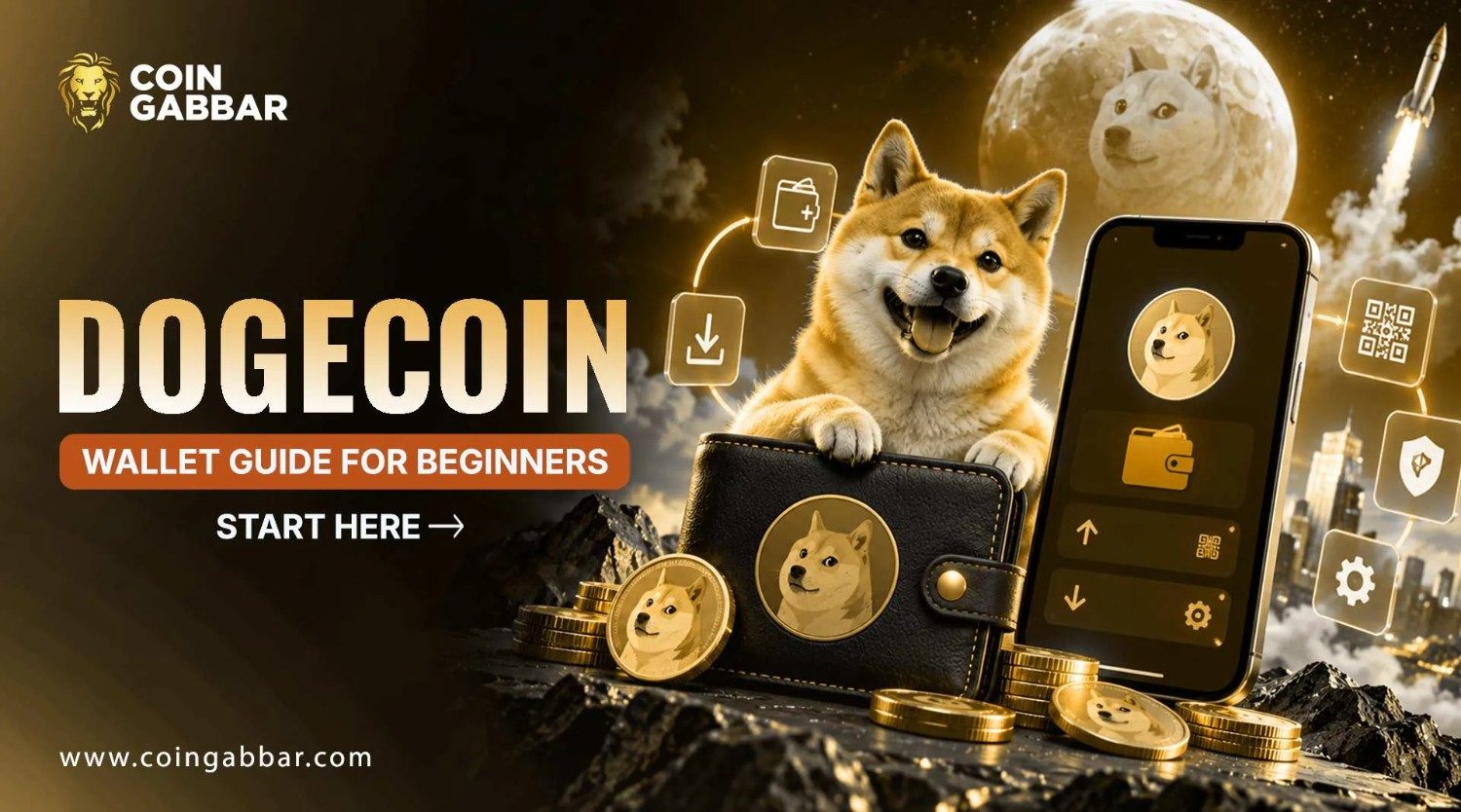
Dogecoin Wallet Guide: How to Back Up and Recover Your Wallet Quickly
Initially, Dogecoin was a parody in 2013. Based on the "Doge" meme, a humorous image of a Shiba Inu dog that was popular at that time.
No one imagined that it would become one of the top digital currencies. Different from Bitcoin, which has a limited number of coins, Dogecoin constantly creates new coins.
Thus, it becomes more accessible, which is one of the reasons for the wide use of this cryptocurrency in various operations, including tipping and buying inexpensive products.
Nowadays Dogecoin gets used for tipping people, donating to charity, and even paying at a handful of stores that accept it. But before anyone can actually use DOGE, they need somewhere to keep it safe.
That's where a Dogecoin wallet comes in. Many holders also check the Dogecoin price and read Dogecoin news before they decide to buy, hold, or move their coins.
Key Takeaways
A Dogecoin wallet is basically a must-have for anyone holding or using DOGE.
There are a few different wallet types, and each one balances ease of use against safety differently.
The seed phrase and private key matter more than anything else. Lose them, and the coins are pretty much gone for good.
Scams are everywhere in the crypto world, so staying careful really pays off.
Backing things up regularly protects against a lost phone, a broken laptop, or just plain bad luck.
What Is a Dogecoin Wallet?
A Dogecoin wallet doesn't actually hold coins the way a leather wallet holds cash. Instead, it stores special digital keys that prove ownership of coins living on the blockchain.
It's more like a keychain that unlocks money stored somewhere else, rather than a box that money physically sits inside.
Why Bother With a Dogecoin Wallet?
Full control over the funds, especially with wallets that no company controls
Transactions move fast across the network
Much safer than just leaving coins sitting on an exchange
No need to hand over a bunch of personal info just to use one
Plenty of options exist, from super simple to more advanced
How a Dogecoin Wallet Works
Every Dogecoin wallet comes with two keys: a public one and a private one. The public key is the wallet address, and sharing it is totally fine; that's how people send coins.
The private key is the opposite story; it has to stay hidden no matter what. It's the thing that unlocks the ability to actually spend the coins. If someone else gets that private key, they get access to the money too. So keeping it safe is really the whole game here.
Choosing, Setting Up, and Securing a Wallet
The selection of an appropriate wallet usually depends on its intended use. Hardware wallets are ideal for long-term storage of coins since they keep them safely offline. While mobile wallets are more preferable for everyday payments and quick transactions.
Setting one up usually looks something like this:
Pick a trusted wallet provider or device
Download the app from an official source, or set up the physical device
Create a new wallet and get the seed phrase
Write that seed phrase down somewhere safe, offline
Set a strong password or PIN
Turn on extra security like two-factor authentication, if it's offered
Downloading from some random, unofficial website is one of the easiest ways to get scammed, so sticking with official app stores and websites really does matter.
Sending and Receiving Dogecoin Without Messing It Up
Sending DOGE just means typing in the receiver's wallet address and picking an amount. Once that transaction goes out on the blockchain, there's no taking it back. So double-checking the address before hitting confirm is a habit worth building. Even one wrong letter or number can send coins to a total stranger, permanently.
Receiving DOGE is simpler; just share a wallet address or QR code with whoever's sending. If the wallet supports it, using a fresh address for each transaction adds a bit more privacy too.
For bigger amounts, sending a small test payment first is a smart move before risking the whole thing. The Dogecoin price can change fast, so the value of a payment may look very different within a few hours.
Types of Dogecoin Wallets
Hardware wallets: Small physical devices that keep keys offline; probably the safest bet
Software wallets: Apps on a phone or computer; handy but connected to the internet
Web wallets: They are used right through a browser; they are easy but a bit riskier
Paper wallets: keys just printed on paper; great for cold storage but easy to lose or damage
Exchange wallets: The ones trading platforms provide; fine for buying and selling but not great for holding coins long-term since the exchange controls the keys, not the wallet owner
Common Scams and How to Dodge Them
Scammers love crypto because mistakes can't be undone. Some tricks to watch out for:
Fake wallet websites made just to steal seed phrases
Urgent messages pretending to be from wallet support
"Free DOGE" giveaways that ask for a small deposit first
Sketchy browser extensions that quietly grab wallet data
Fake Dogecoin news posts that push people to click a link or share their seed phrase
The best protection is pretty simple: only download wallets from official sources, ignore random links sent through messages, and never, ever share a seed phrase with anyone, no matter how convincing they sound.
Backing Up and Recovering a Dogecoin Wallet
A properly backed-up Dogecoin wallet means the funds stay safe even if a phone breaks, a laptop gets stolen, or an app just gets accidentally deleted.
Backing up basically means writing down the seed phrase that got generated when the wallet was first created.
To get everything back later, that seed phrase just gets typed into a new wallet, and the funds show up again.
Keeping backup copies in more than one safe physical spot, like a locked drawer or a safety deposit box, beats relying on just one digital copy somewhere.
Seed Phrase and Private Keys: Treat Them Like Real Cash
The seed phrase and private key are honestly the two most important parts of any Dogecoin wallet.
Whoever has these controls the coins, no matter whose name is technically on the wallet. That's why they deserve the same level of care as a stack of actual cash.
A few simple rules worth following:
Never save the seed phrase in an email, notes app, or cloud storage
Skip taking screenshots of it
Keep physical backups in more than one secure spot
Never hand it over to anyone, even someone claiming to be from wallet support
Conclusion
A Dogecoin wallet is really the starting point for anyone wanting to hold DOGE safely.
Understanding how wallets work, picking the right type, and building good security habits go a long way toward avoiding scams and costly slip-ups.
With a bit of care, managing Dogecoin doesn't have to be complicated at all. Reading Dogecoin news today from trusted sources also helps holders stay updated.
Disclaimer
This article is for general information only and is not financial or investment advice. Cryptocurrency prices can jump around a lot, and storing digital money always comes with some risk. Anyone getting into Dogecoin or any other crypto should look into things carefully or talk to a financial professional before making big decisions.