Fake Wallet Extension: How to Spot a Malicious Wallet Clone

Fake Wallet Extension Risks and Checks Before Installation
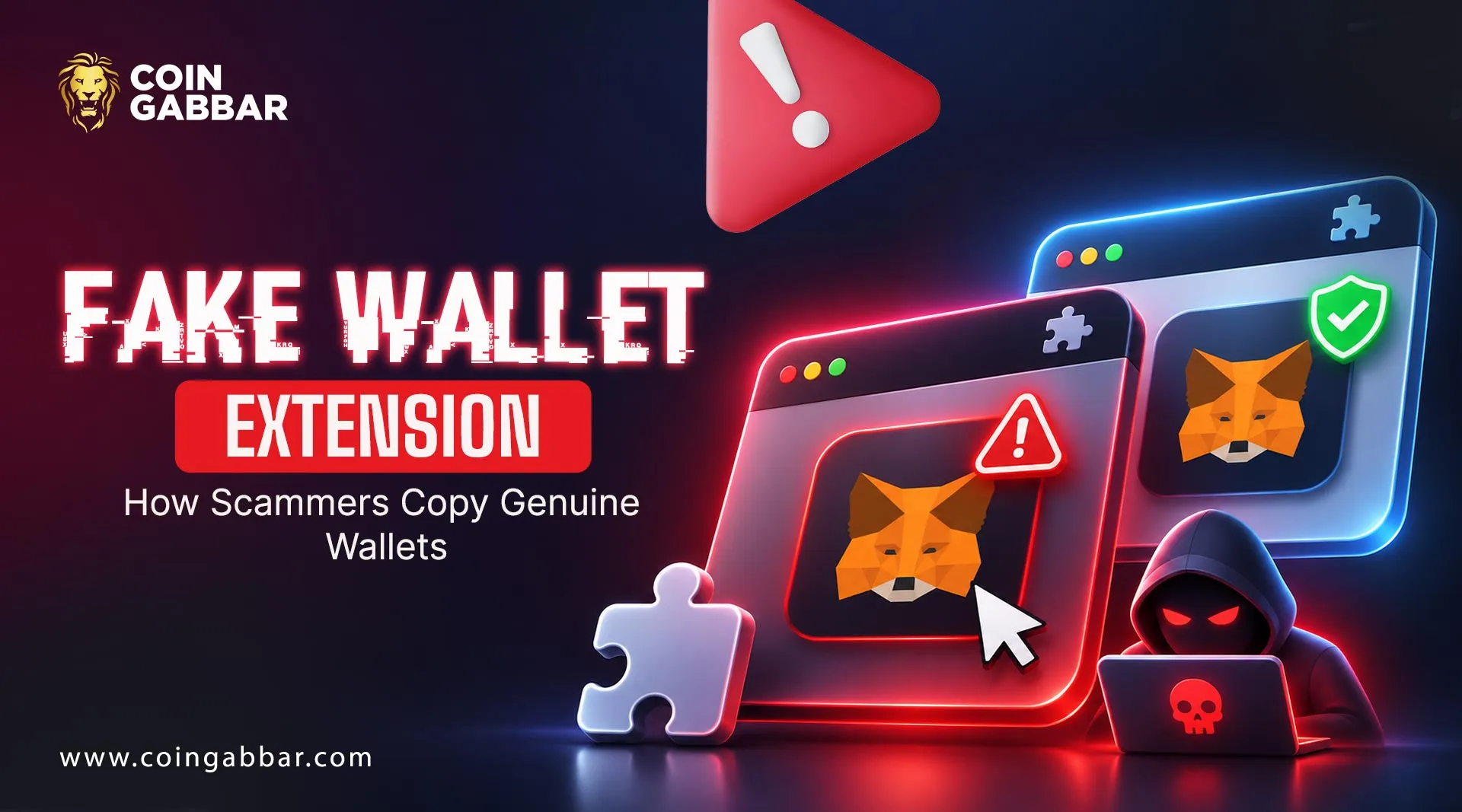
A fake crypto wallet extension rarely looks fake. It carries a familiar logo, a near-perfect name, and a clean install button. Then it asks for a recovery phrase, and the loss begins.
The threat is active right now. Researchers tracked 77 linked Firefox extensions from March to August 2026, and 40 were confirmed to steal wallet secrets. A second batch of 16 surfaced in October.
What Is a Fake Wallet Extension and How Does It Work?
A browser wallet extension is a small add-on that stores keys and signs blockchain transactions. A fake wallet extension copies that look and feel. Its real job is theft.
Most fake wallet extension campaigns follow one script. The add-on asks the user to import an existing wallet. The user types a recovery phrase, which is the list of 12 or 24 words that control every asset in the wallet. The extension then sends those words to the attacker.
With that phrase, a thief can rebuild the wallet on another device. Browser passwords and local locks stop mattering at that point.
No hacking is needed. The user supplies the keys.
Why Are Wallet Clones Spreading Through Browser Stores?
Add-on stores are large, and a fake wallet extension only needs to slip through review once. The 2026 campaign showed how patient they can be.
Researchers found that some add-ons began as harmless tools, such as timers and sports-score trackers. Later updates turned them into fake wallet extensions. That delay gives a listing time to collect installs before the switch.
These fake wallet extensions mainly copied OKX, Rabby, and TronLink. One imitation swapped the letter O for a zero in the OKX name, a trick that survives a quick glance.
The newest add-ons also declared that they collect no user data. That label sounds calming but proves nothing about behavior.
Mozilla unpublished the 16 newest add-ons by October 5, 2026. The earlier group was also removed. Removal still comes after discovery, so anyone who installed a clone in the gap may remain exposed.
Some malicious add-ons reportedly used remote switches too. In that setup, the phishing screen can appear after review. A clean listing today is not a permanent guarantee.
How Can Users Spot a Fake Wallet Extension Before Installing?
No single signal exposes a fake wallet extension on its own. A cluster of small red flags usually does.
| Warning sign | Why it matters |
| Odd characters, or a zero in place of the letter O | Lookalike names target quick glances. |
| The publisher does not match the wallet project. | Genuine add-ons come from the project's own account. |
| The link arrived through an ad, message, or email. | Official pages never need outside prompts. |
| Vague description with grammar mistakes | Rushed copy often signals a rushed clone |
| Very few reviews, or only generic praise | New listings carry little track record. |
| Permissions broader than a wallet needs | Extra access widens the damage. |
Each flag alone can have an innocent reason. Three or four together are a reason to stop.
Check the source before the listing.
The safest route starts at the wallet project's own website. MetaMask's published guidance says downloads should come only from the install button on its official download page or from a browser's official add-on store.
Searching a store by name first is the habit a fake wallet extension exploits.
Check the badge and the first prompt.
Mozilla's add-on badges guide explains that recommended extensions are manually reviewed, and developers cannot pay for the badge. Add-ons without regular staff review show a caution message.
That message does not prove danger, but it calls for a closer look at developer reputation, reviews, and permissions.
The first prompt matters as well. MetaMask's guidance says a recovery phrase should only be entered when creating a new wallet or restoring an existing one. Any other request for those words deserves suspicion.
What Does a Real Wallet Team Never Do?
MetaMask's recognition of the real wallet page lists behaviors that point to a scam rather than support:
-
Contacting users first, including through direct messages
-
Asking for a Secret Recovery Phrase
-
Discussing support cases on social platforms such as Telegram or Discord
Those rules come from one wallet team. Other projects may differ in detail. The logic holds everywhere: nobody legitimate needs the phrase.
What Should Users Do After Installing a Fake Wallet Extension?
Speed matters here.
-
Remove the add-on from the browser.
-
Treat the recovery phrase as compromised if it was typed in.
-
Create a new wallet on a clean device with a new phrase.
-
Move remaining assets to the new address.
-
Review and revoke token approvals linked to the old address.
A leaked phrase cannot be changed. Only the funds can move.
Cloned software is one attack path among several. The hardware wallet supply chain breakdown shows how tampered devices create a different risk.
Wallets built on passkeys follow other rules, covered in the smart wallet recovery explainer.
Fake Wallet Extension Trends: Expert Analysis
The 2026 pattern points to trust-building rather than speed. Attackers spent weeks inside harmless-looking add-ons before changing them. That shifts the advice from "install carefully" to "recheck after updates."
A monthly review of installed extensions helps catch a fake wallet extension that arrived through an update. Mozilla's own tips also suggest removing add-ons that are no longer used.
Scam methods vary by channel. Thecrypto ATM scam risks article covers the kiosk side, where the pressure comes from a person rather than a browser prompt.
There are limits to the evidence. The extension counts come from researcher reports. No total loss figure was found in the material reviewed, so the real scale remains unknown.
Conclusion
A fake wallet extension works by borrowing trust: a familiar name, a believable logo, and a store listing. The 2026 campaign showed that even a harmless add-on can change its behavior later.
Confirmed so far: dozens of clones were linked, many were removed, and recovery phrases were the main target. Still unclear: total losses and how many listings remain live.
Spotting a fake wallet extension takes a few minutes of checking. The next checks are simple. Confirm the source on the project's own site, review badges and permissions, and treat any request for a recovery phrase outside setup or restore as a stop sign. Similar verification habits apply to token pages, as the verify contract data walkthrough shows.
Disclaimer:
This article is for information only and is not financial or security advice. Crypto assets are volatile, and losses can be permanent. Readers should confirm details with official sources before acting.