Wallets Become a New Digital Identity—Are Users Ready?

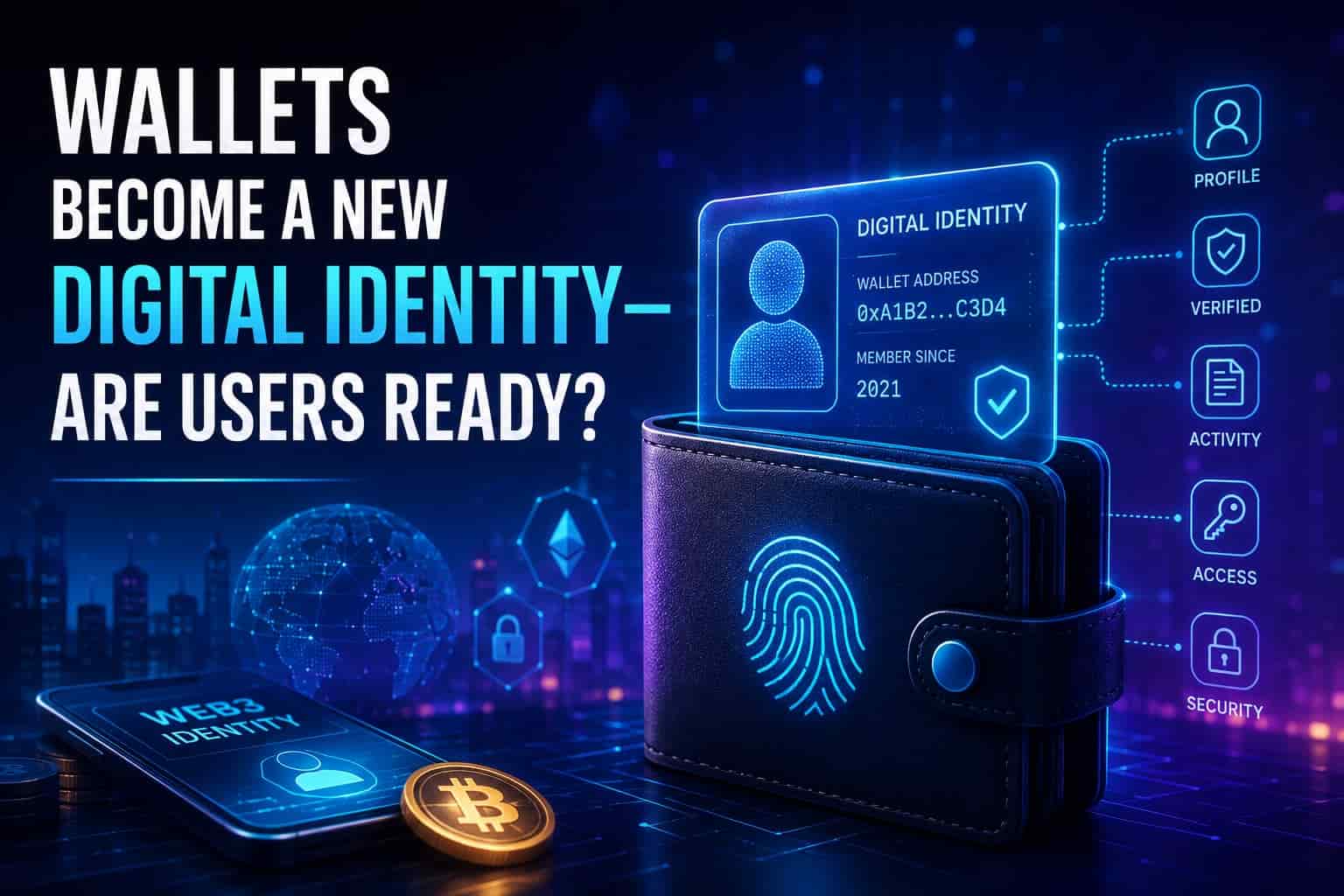
A wallet used to be a quiet tool for coins, cards, and receipts. Now the digital wallet is turning into a login, a passport, a loyalty card, and a payment rail in one small app. That shift sounds neat until a user loses a seed phrase at 11 p.m. or clicks a fake mint link. Trust gets very personal then. Banks, exchanges, phone makers, and game studios are treating wallet history as a rough character reference, which is useful until it labels the wrong person. The habit already shows up in high-risk sectors. A gambling example makes it plain: casino canada guides from cryptologos rate signup speed before blackjack begins, yet the real identity signal sits in the wallet action itself. The address, device pattern, and payment trail start telling a story. Another guide might tell readers to play in markets reviewed by Zahraniční casina pro české hráče only after checking terms with an international license clearly named. One sentence later, the same reader still faces the larger question: should a wallet speak for who they are?
What the wallet now says
The address is the loudest clue. It records tokens held, chains used, apps touched, and fees paid. A person who signs into a shopping site with the same wallet used for a DAO vote gives the merchant more than an email ever did. The merchant sees proof of ownership, timing, and sometimes spending habits.
That is useful for fraud checks.
It is also creepy. A teenager buying a game skin, a freelancer receiving stablecoins, and a patient paying for a clinic visit should not all leave clues in the same public place.
Better wallet identity starts with separation. One address for work. One for games. One for high-trust records, such as diplomas or licences. The tool should help people make those walls without a lecture. If the default screen shows one big balance and one bright connect button, plenty of users will connect first and regret it later.
Readiness is less technical than emotional
Most wallet debates talk about keys, signatures, and standards. Users talk about fear. They ask what happens if a phone is stolen, if a parent dies, or if a scammer gets one rushed approval during lunch.
The answer has to feel boring. Clear recovery, plain warnings, and spending limits beat fancy diagrams. Hardware keys help, but a $70 device still feels strange to someone who barely uses a password manager. For a mass audience, the safest product is the one that makes the risky click look slow and dull on purpose.
There is another problem: consent screens lie by being too vague. Sign this message tells almost nothing. A better prompt says, in normal words, what the app will read, what it will change, and how long the permission lasts. Revoke buttons need to sit where people see them, not three menus deep.
Readiness grows when mistakes shrink.
Businesses want certainty, users want cover
Companies like wallet identity because it cuts repeat checks. A ticket site can confirm that one person owns one pass. A bank can ask for proof of age without storing a passport scan. A forum can give voting rights to members who hold a token.
But the user pays the privacy bill if design is lazy. If every app asks for the same main wallet, profiles get stitched together fast. The coffee app, the casino account, the payroll service, and the art marketplace should not share a single shadow file.
Zero-knowledge proofs offer a cleaner path. The phrase sounds heavy. The idea is simple enough: a user proves a fact, such as being over 18, without showing the full document. This needs normal packaging. No one wants to learn cryptography before buying concert tickets.
The winning apps will hide the math and show the choice up front first.
A ready user needs a safer default
Readiness will not arrive through white papers. It will come through small product decisions. Wallets should label risk in plain language, support named profiles, and let people test a connection with low stakes first.
A demo mode would save real money.
Recovery needs social detail too. A person should be able to name two trusted contacts, set a waiting period, and freeze transfers during a dispute. Banks learned this years ago with card locks and chargeback teams. Crypto wallets still act too much like a final exam.
Regulators will push, especially around gambling, credit, health, and youth accounts. Builders should not wait for an order. If a wallet is becoming identity, the next release should answer one question before adding chain: what does the user risk by tapping connect today? A settings check is a fair place to start.
Also read:











.webp)