Hyperliquid Perpetual Contracts: How Do They Work?

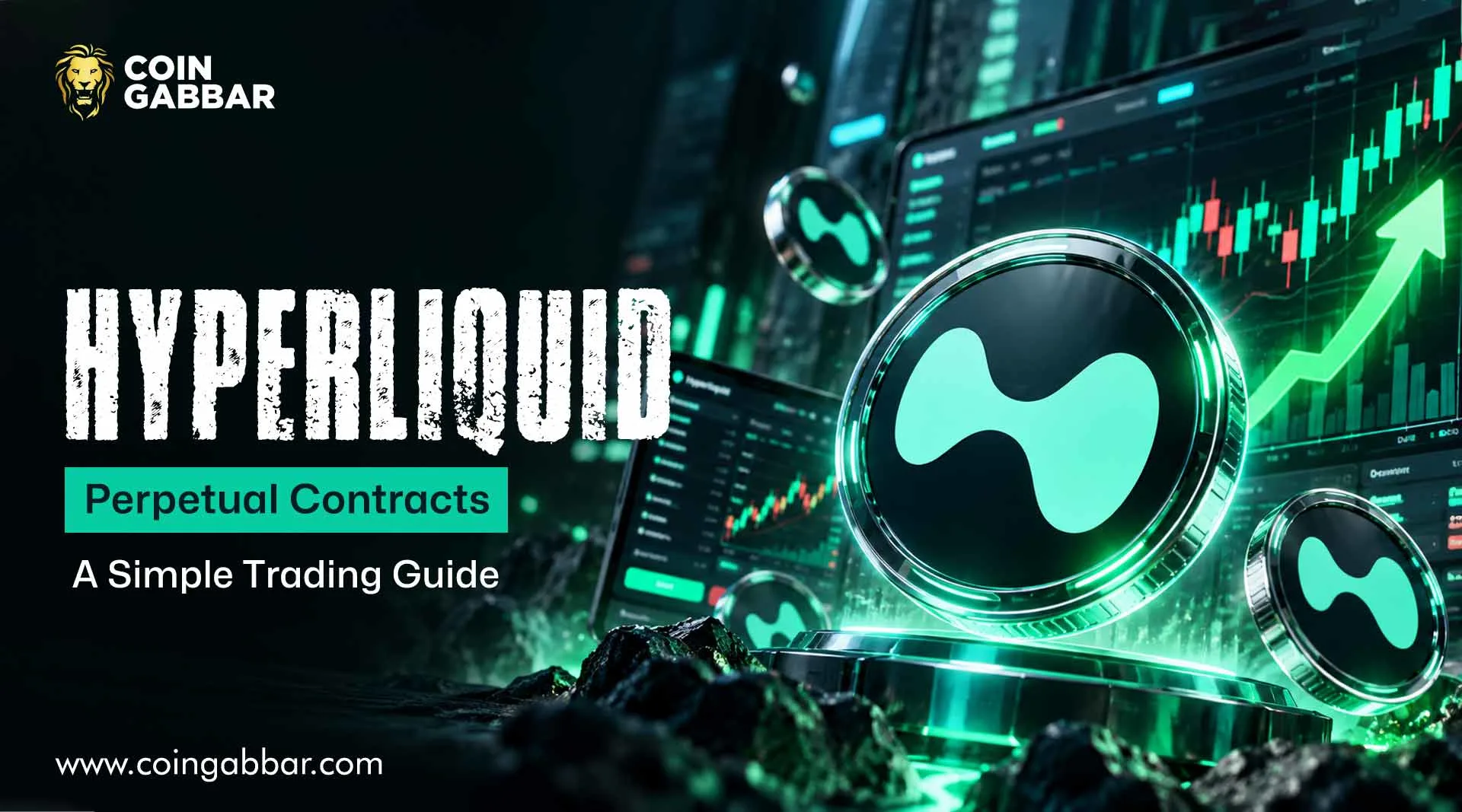
How Hyperliquid Handles Onchain Perpetual Contracts.
Most perpetual futures trading happens on centralized exchanges, where a company runs the order book and holds the funds. Hyperliquid takes a different route.
Hyperliquid Perpetual Contracts run on a purpose-built blockchain, so orders, fills, and liquidations leave a public record. This guide covers the mechanics, costs, and risks of trading them on-chain.
Hyperliquid Perpetual Contracts are futures with no expiry date, traded on an on-chain order book. Traders post collateral, pick a leverage level, and pay or receive funding that keeps the contract price near the spot market.
Public records make activity easier to inspect, but they do not remove trading risk. Markets, limits, and fees change often.
Labels used below:
Live: described in official documentation
In development: announced but not final
Needs recheck: parameters that change often
What a Perpetual Contract Does
A perpetual contract tracks an asset price without a settlement date. A trader can go long or short and keep the position open while margin stays sufficient. Hyperliquid Perpetual Contracts follow this same basic design, so they never expire on a fixed date.
Funding payments pass between longs and shorts, not to the exchange. When the contract trades above the index, longs usually pay shorts. The reverse applies below it.
How the Chain Handles Orders
Hyperliquid runs its own Layer 1 chain (live). Two parts matter most:
HyperCore: the trading engine for the order book, margin, and liquidations
HyperEVM: a separate smart contract environment for other apps (live, needs recheck)
Matching uses a central limit order book, not a liquidity pool. Placements, cancellations, and fills are recorded on-chain. Hyperliquid Perpetual Contracts therefore differ from AMM-style perpetual protocols, since traders face an order book instead of a shared liquidity pool. These Hyperliquid perps also leave a public record of each action.
Margin and Leverage
Positions use USDC as collateral, per the contract specifications. Traders can choose cross or isolated margin, as explained in the margining documentation.
Cross margin: collateral is shared across open positions
Isolated margin: a set amount of collateral backs one position
Isolated margin limits the collateral assigned to a position. It is not a guarantee against every possible loss. Maximum leverage varies by asset.
Many Hyperliquid trading mistakes start with oversized positions and no exit plan.
Mark Price, Oracle Price, and Liquidation
Several prices matter, and the last traded price is only one of them. The oracle price reflects an external reference.
The mark price is used to judge account health. Liquidation depends on those references, which is why a position can close even when the last trade looked safe.
Account equity is the value supporting a position after unrealized profit or loss. If equity falls below the maintenance margin, liquidation procedures can begin.
The HLP vault may take part in that process. Exact triggers sit in the liquidation documentation.
Understanding Funding Payments
Funding is paid hourly and tied to the gap between the perp price and the oracle price, according to the funding documentation.
A hypothetical example shows the scale:
Position notional: $10,000
Assumed funding rate: 0.01% per hour
Payment for that hour: about $1
The payment direction depends on the rate's sign and the position side. Held for days, small hourly payments add up even when the price barely moves.
Fees and Trading Costs
Three costs matter: taker fees, maker fees or rebates, and funding. Tiers depend on trading volume.
The official fee schedule has the current rates, and this Hyperliquid fee structure guide explains them in everyday terms.
Hyperliquid vs. a Centralized Exchange
Feature | Hyperliquid | Typical centralized exchange |
Order book | Onchain | Company servers |
Custody | Wallet-based, user signs | The platform usually holds funds. |
Visibility | Public trades and liquidations | Platform-controlled reports |
Account access | Wallet connection | Varies, often identity checks |
Main risks | Code, chain, bridge, and wallet issues | Insolvency, freezes, and policy changes |
Both models carry operational, market, and custody risks, only in different forms. Public data helps outside review, though it does not prove that every component is safe.
Building with the API and SDK
Developers can read market data and place orders through the official API. This Hyperliquid SDK guide covers the basics. Bots should use a separate API wallet, keep keys out of code, and begin with read-only requests.
Token News and Market Context
HYPE is the ecosystem's native token. Reports such as the Hyperliquid HYPE $330M deal show how large transactions draw attention.
Token headlines do not change contract rules, so price talk should stay separate from risk control.
Security and Risk Section
Hyperliquid perpetual contracts carry real danger for newcomers.
Leverage can erase margin within minutes
Chain, contract, and bridge bugs can cause losses
Thin markets can move sharply or be manipulated
Fake apps and phishing links imitate trading sites
Blind wallet signatures can expose funds
Rules for on-chain derivatives vary by country
Official links should be typed or bookmarked, never taken from a message. Seed phrases belong offline and are never shared.
Conclusion
Hyperliquid Perpetual Contracts move the order book, margin, and liquidations onto a public chain, which makes the process easier to examine than many closed platforms. A full Hyperliquid review adds platform background.
That openness does not shield anyone from leverage or fast markets. Newcomers can start with tiny positions, study funding and liquidation first, and read the official documentation before sizing up.
Features, fees, and listings shift often, so current details should be confirmed on official sources before trading.
Disclaimer: This article offers general education about Hyperliquid. It is not financial, investment, legal, or tax advice, and it does not recommend buying, selling, or trading any asset. Derivatives and leverage carry high risk, and losses are possible.