Mirex Network Enters Post-TGE Phase: MRX, KYC and LUMIRA Update

Mirex Network Roadmap 2026: MRX, KYC, LUMIRA and RWA Plans
Mirex Network priced its MRX token at $1.92 during presale, but the coin has spent most of September trading between $1.03 and $1.15 on PancakeSwap, a sign that the real work is only beginning.
The MRX TGE landed on September 1, 2026, opening trading on BNB Chain through PancakeSwap. On September 22, Mirex Network highlighted the MRX launch as a milestone while hinting that the project is now moving into a new phase following the TGE.
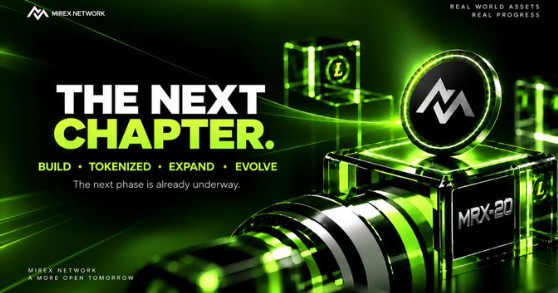
Source: Official Announcement
Mirex Network MRX Price Today: A Fresh Look at Trading After the TGE
Current price: $1.05, or 1.0551 USDT
24-hour change: down 1.05%
Liquidity: $89,000, against a fully diluted value and market cap of $28.4 million
24-hour volume: $17,000, from 229 transactions split between 102 buys and 127 sells
Trading venue: PancakeSwap, BEP-20 standard on BNB Chain
Fixed supply: 27 million $MRX
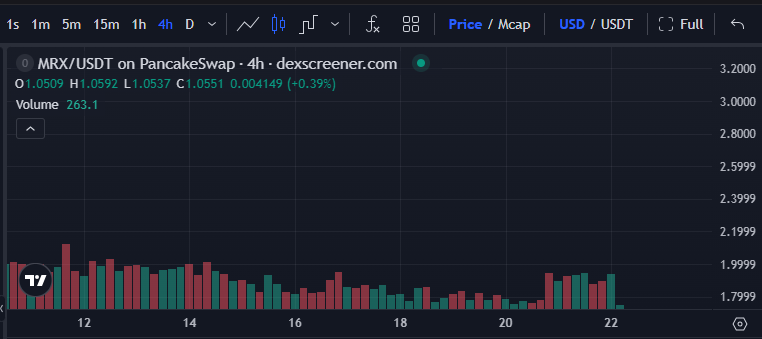
Source: DEX Screener
BscScan removed a suspicious-token warning from the contract after audit documents and company details were verified on-chain.
That clears a step toward pending CoinMarketCap and CoinGecko listings, though no major exchange has added $MRX yet.
What the Post-TGE Phase Means for the Wider Mirex Network Ecosystem
The Mirex Network roadmap now centers on three goals: expanding the MRX-20 chain, which runs on a Proof-of-Stake-Authority model; advancing real-world asset tokenization; and opening fresh access for community members.
$MRX already covers gas fees and smart contract costs, though steady demand will depend on partnerships still being built.
LUMIRA Mining and the Dual-Token Setup Inside the Mirex Network Plan
LUMIRA (LUM) was never sold. Every token came from mining inside the app, tasks, and community events, with an initial supply near 250 million. The first batch release ties to milestones such as a successful airdrop.
A five-times mining booster ran on weekends in mid-September, and a CoinMarketCap listing application for LUM went in around September 1, per updates on the official Mirex Network account.
A brief outage tied to hosting provider OVHcloud was resolved, with more mining upgrades expected.
Mirex KYC Requirements and Why Verification Keeps Getting Delayed
Verification partner Sumsub paused parts of the review early on to study company documents, pushing back the original 14-day deadline. That requirement is now tied to claiming MRX rather than a strict cutoff.
A separate rollout for about 5,000 mining users, tied to a digital identity feature, was delayed by app store reviews.
KYC supports anti-money-laundering rules, cuts bot activity in airdrops, and builds the trust that tokenized real-world assets need before working with banks or institutional partners.
The team maintains that KYC and LUMIRA support depend on infrastructure being ready first, though some replies still call for clearer timelines.
Real-World Asset Tokenization Sits at the Heart of Mirex Network Now
The listed sequence covers KYC integration, gamified funding paths for tokenized real-world assets, RWA partnerships, broader marketing, and the first LUMIRA release. None of this guarantees results. Prices stay volatile, and this article is informational, not financial advice.
Official channels remain the best source for updates. The coming months should show whether Mirex Network's infrastructure work turns into the real-world asset activity promised since its earliest presale days.
Disclaimer: This article is for informational purposes only and does not constitute financial or investment advice. Crypto markets carry significant risk. Always do your own research before making any investment decisions.










