Obama AI Plan Push Comes As AI Debate Heats Up In US


Obama Says AI Needs a Clear Political Response
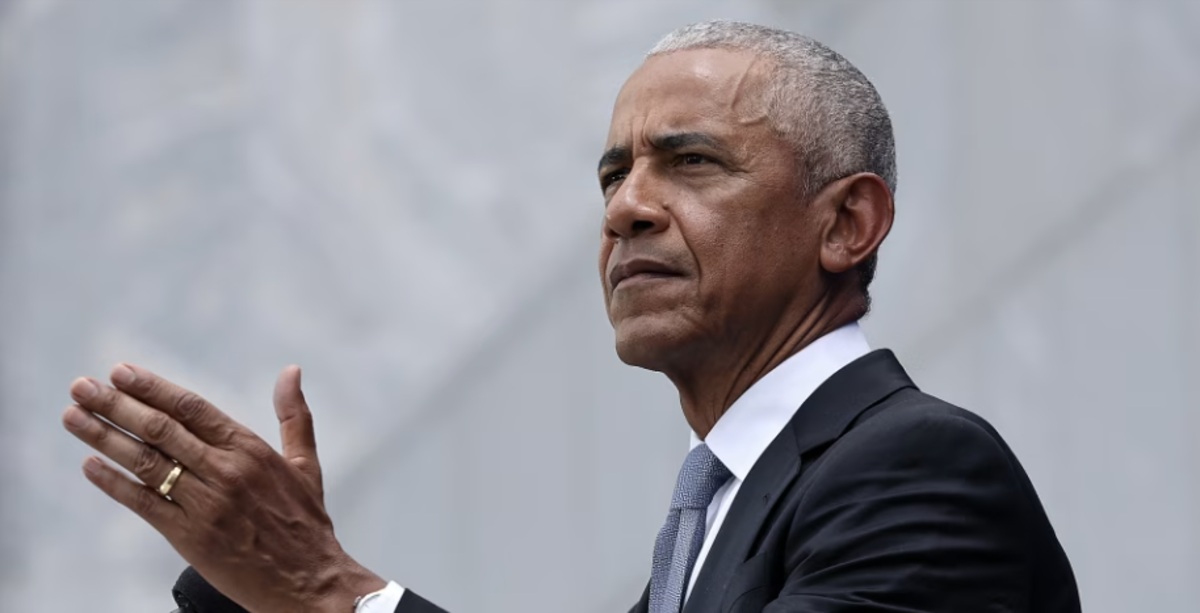
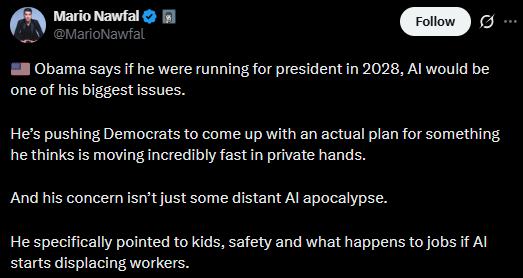
Former President Barack Obama said on September 14, 2026, that artificial intelligence would rank among his top issues if he were running for president in 2028.
The remarks point to a broader Obama AI Plan aimed at Democrats, according to a report from NBC News. He reportedly wants the party to build an actual strategy for a technology he believes is moving fast inside private companies, largely outside government oversight.
Source: NBC News Report
What the Obama AI Plan Focuses On
The Obama AI Plan is not centered on distant, worst-case scenarios. He instead pointed to nearer-term concerns tied to daily life and the workforce, areas voters are already thinking about.
Key concerns raised include:
Effects of automated systems on children and online safety
Job displacement as automation takes on more workplace tasks
The pace of private sector development outrunning public policy
A lack of a clear response from lawmakers so far
He also said the technology is not something to simply block or stop. It could help treat diseases and support clean energy progress, he noted, but only if governments manage the risks while there is still time to act.
This balanced framing sits at the center of the Obama AI Plan described in the report.
Other Tech and Political Voices Join the Debate
He is not alone in raising these concerns. This part of the story includes reactions from other tech and political figures who have weighed in recently.
Figure | Position |
Barack Obama | Wants Democrats to form a clear strategy |
Dario Amodei, Anthropic CEO | Has called for a slower pace of development |
Sam Altman | Reportedly agrees the pace is a growing concern |
Elon Musk | Reportedly agrees the pace is a growing concern |
Donald Trump | Frames progress as a race the US must win. |
Trump's message, shared a day earlier, framed the situation as a competition where winning matters more than slowing down, with beating China described as the top priority.
The Obama AI Plan stands in contrast to that framing by pushing for oversight alongside progress, rather than speed above all else.
A Divide Over Speed Versus Caution
This split highlights two views shaping the wider policy debate right now:
Move quickly to maintain a competitive edge over other countries
Slow down enough to manage safety, jobs, and oversight risks
Neither side rejects the technology outright. The disagreement centers on timing and how much regulation should apply while development keeps advancing at a rapid rate.
Supporters of the Obama AI Plan argue that early guardrails prevent harder fixes later, once systems are already deeply built into daily life and business operations.
Critics of faster regulation counter that too many rules too soon could slow innovation and hand an advantage to rival countries moving without similar limits. That tension is likely to shape how far any new strategy can go in practice.
Source: X Post
Why This Debate Matters Heading Up To 2028
The timing of these remarks stands out given the approaching election cycle. Candidates from both parties are expected to face direct questions about technology oversight, worker protections, and national competitiveness well before votes are cast.
A clear stance now, in line with the Obama AI Plan, could shape how the party campaigns on the issue later and how voters weigh candidates against each other on a topic most had not considered central to elections until recently.
Political strategists watching the story say the coming months will show whether this messaging turns into formal proposals or stays limited to public remarks.
Either outcome will likely influence how younger and tech-focused voters view the party heading into the next election cycle.
Conclusion
The Obama AI Plan adds a fresh voice to an already active policy conversation in the United States. With tech leaders and political figures weighing in from different angles, pressure is building for lawmakers on both sides to define clearer positions before the 2028 race takes shape.
Whether this approach gains real traction within the party may depend on how the debate develops over the coming months and whether Congress moves on any concrete legislation.
YMYL Disclaimer: This article is for informational purposes only and reflects statements reported by NBC News. It is not political advice or an endorsement of any policy position.