Optimism OP Rally vs Token Unlocks: What to Check

Optimism OP Rally vs Token Unlocks: What to Check
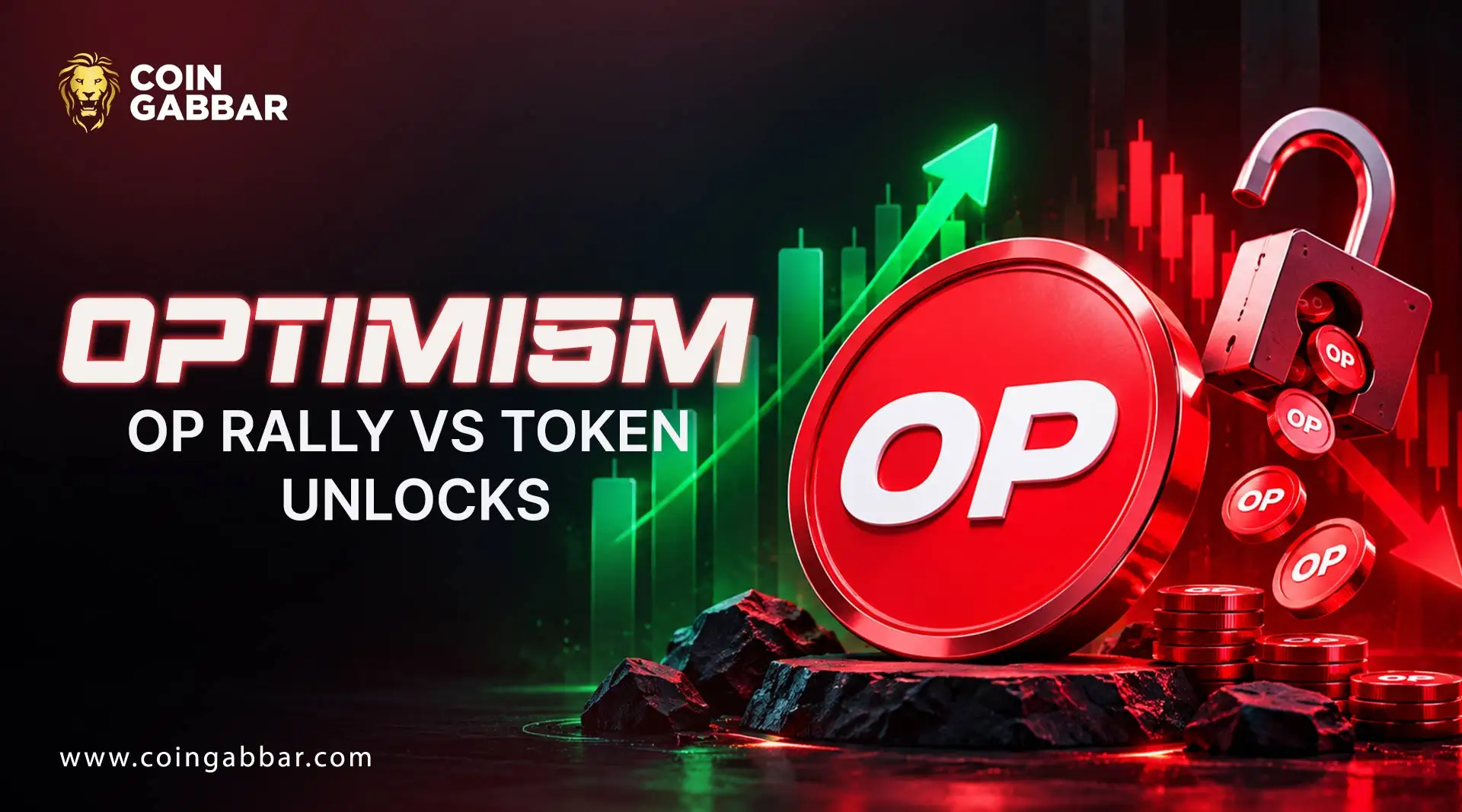
The Optimism OP rally was driven by real news, mainly a major partner moving onto Optimism's technology and a governance-approved plan that sends a big share of network revenue into OP buybacks.
Token unlocks are the counterweight, because new supply can add selling pressure even in a strong market. The smart move is to separate what has already happened from what is only planned, then check the official supply data before trusting the move.
Rallies in mid-sized tokens rarely happen in a vacuum, and the broader mood, covered in the explainer on why the crypto market is down, can turn a good story into a weak trade overnight. The Optimism OP rally is no different. It rests on genuine developments from optimism, but it also sits on top of a supply schedule that traders should understand.
What Is Driving the Optimism OP Rally?
Two developments explain most of the Optimism OP rally. The first is demand for Optimism's technology. A large partner network began moving onto the OP Enterprise stack, first on a test network and then toward its main network.
When a bigger project runs on the same technology, more activity and revenue can flow through the wider Superchain, which supports the case for the token.
The second is a governance decision. A recent upgrade, approved by token holders, commits a large share of Superchain revenue to buying OP on the open market, with the plan taking effect in the future.
Buybacks can tighten supply, and that narrative pulled attention back to the token. Bitcoin usually sets the tone for layer-two tokens as well, and Bitcoin news today is a quick way to see whether the wider market is helping or hurting.
Token Unlocks in Plain English
An unlock is a scheduled release of tokens that were previously locked. Teams, early backers, and funds often receive tokens under a vesting plan, which means they become available gradually instead of all at once.
Locked tokens cannot be sold, so each release adds potential supply to the market.
Unlocked does not mean sold. Recipients can hold, stake, spend on grants, or sell, and the price effect depends on who receives the tokens and how the market is feeling. That is why unlock news matters most when demand is already weak.
Where OP Supply Stands Today
The official allocation documents show how OP was divided at launch. Core contributors and early investors received tokens under a one-year lockup followed by linear vesting, and that multi-year plan was designed to finish by now.
Trackers show slightly different final dates, so the live schedule is worth checking before relying on any single page.
That does not mean supply stops growing. Large pools remain with the ecosystem fund, grants, airdrop reserves, and public goods funding, and their release is guided by the foundation and governance decisions, not by a fixed calendar. OP was also designed as an inflationary token, with the rate set through governance.
The foundation's capital allocation page explains how those budgets are meant to work. In short, the Optimism OP rally now meets a supply picture that is less about monthly insider releases and more about discretionary and governance-led releases.
Optimism OP Rally vs Unlock Pressure: How They Collide
A rally and an unlock can pull in opposite directions. Buybacks reduce what is available to buy, while releases add what is available to sell. Which side wins depends on timing and size.
One clear risk is a mismatch in time. Buybacks are described as starting in the future, while the excitement is already priced in today. If the revenue behind them comes in lower than hoped, the Optimism OP rally can lose its main support while supply keeps arriving from other pools.
What to Check Before Trusting the Optimism OP Rally
A price jump alone doesn’t prove much. These checks help show whether the Optimism OP rally can last.
Circulating vs fully diluted supply: a big gap means many more tokens could still hit the market.
Official allocation and capital pages: they show how each pool was planned to be released.
Governance forum: proposals on buybacks, budgets and inflation show what the community actually approves.
Live revenue data: buybacks only work when real revenue pays for them.
Partner progress: delays in the network migration could hurt the story.
Market depth: when few buyers and sellers are active, even a small trade can push the price a long way, up or down.
Risks That Can Cut the Rally Short
Governance is a double-edged tool. The same token holders who approved buybacks can change them later. Revenue can also fall short, especially if activity slows across the wider market.
Competition among layer-two networks is intense, and attention can move quickly to a rival. Fast rallies pull speculative money toward every corner of the market, including early-stage plays like those covered under crypto presales 2026.
Those moves often end the same way, with a sharp reversal once momentum fades. The Optimism OP rally can fade just as quickly if buyers step back.
How to Track Unlocks and Supply Safely
The official Optimism documentation is the best starting point for supply and governance details, and data trackers can fill in timing. When two sources disagree on a date or amount, the safer move is to treat both with caution until the official pages settle it.
Safety matters as much as data. Unlock and airdrop headlines attract phishing links and fake claim pages, and the overview of crypto scams 2026 shows how those tricks work.
The Bitcoin scam warning signs apply here too. Claims should only be made through links found on official pages.
The Bottom Line: Strong Story, Open Supply Question
The Optimism OP rally has a real story behind it: a bigger partner joining the ecosystem and a revenue plan that favors token holders.
Token unlocks and ongoing supply growth are the questions that decide whether that story turns into lasting value.
For traders weighing the Optimism OP rally, the practical path is simple. Check the official supply pages, watch governance decisions, and treat any plan that has not started yet as a promise, not a result.
The Optimism OP rally deserves attention, but the supply side deserves the same attention.
Disclaimer: This article on the Optimism OP rally is meant for general learning only and does not count as financial, investment, or legal advice. Crypto prices swing fast, and a token can lose all of its value. Facts change over time, and sources don’t always agree, so it’s best to confirm everything on official pages and talk to a qualified professional before making any decision.