Solana Developer Tools and Resources for Builders

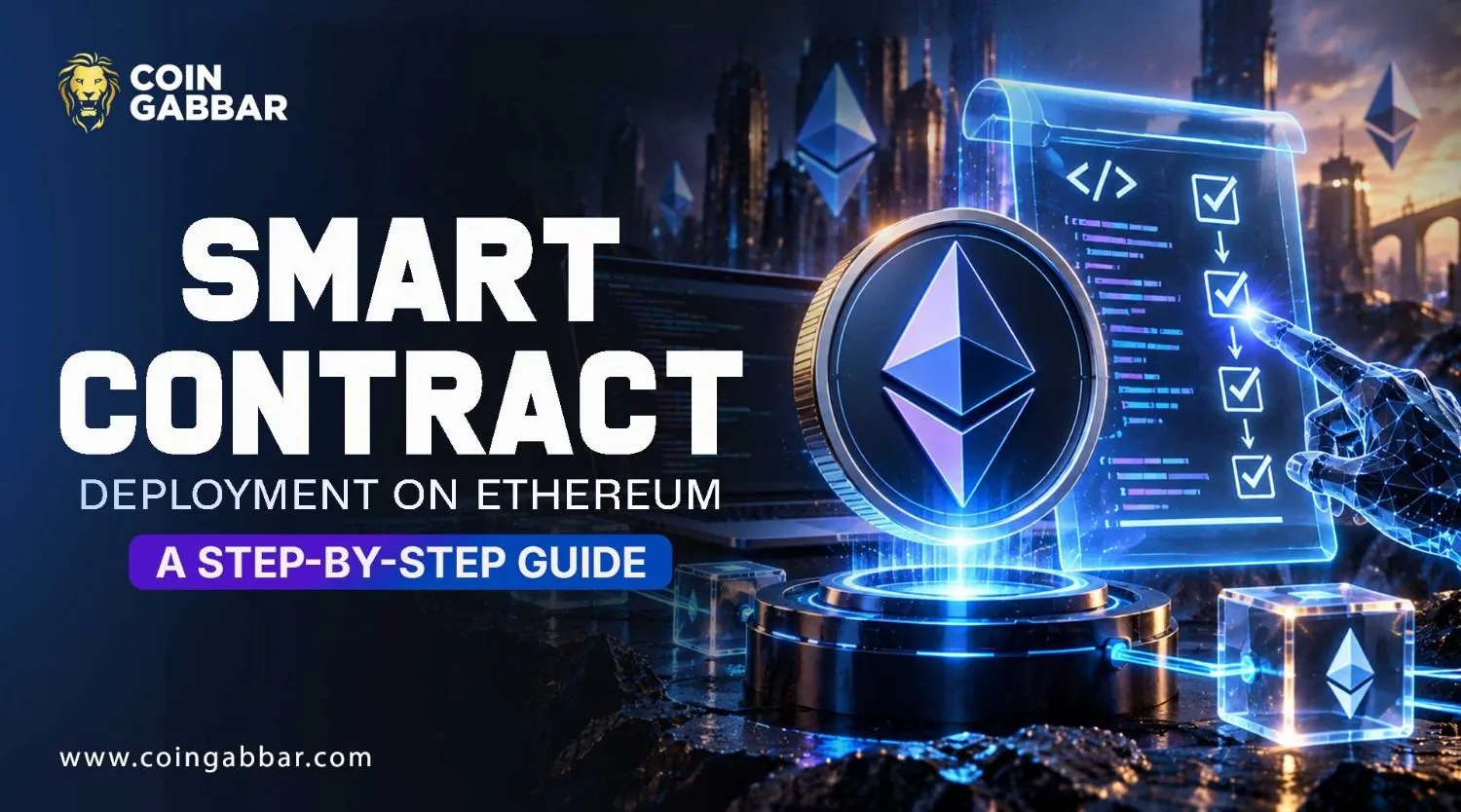
Anyone starting to build on Solana quickly runs into a genuinely large ecosystem of frameworks, SDKs, and infrastructure providers, and it can feel a little overwhelming at first glance.
This guide to Solana developer tools cuts through that list, covering what each category actually does and which options builders tend to reach for most often in 2026. Newcomers to the network itself can start with this primer on what Solana actually is before working through the tooling below.
Programming Languages and Core Setup
Solana programs, the network's version of smart contracts, are written primarily in Rust. Getting started usually means installing the Rust toolchain, the Solana CLI, and a local keypair for signing transactions. Most Solana developer tools assume this base setup already exists before anything else gets installed.
Rust remains the primary language for on-chain program logic
The Solana CLI handles wallet management, cluster switching, and program deployment
A local validator lets developers test transactions without touching the devnet or mainnet
Anchor: The Standard Development Framework
Anchor sits at the center of most Solana developer tools discussions, and honestly, for good reason. Created by Armani Ferrante, Anchor provides a Rust-based framework that dramatically cuts down on boilerplate through declarative macros.
It handles automatic account serialization, built-in constraint validation, and security checks that catch common vulnerabilities before they ever reach mainnet. The vast majority of Solana programs today are written using Anchor rather than raw Rust, which makes it close to a default choice for new projects.
Client SDKs and Libraries:
Client SDKs are what an application actually uses to talk to the chain, building transactions, signing them, and reading account data. Choosing among Solana developer tools in this category depends heavily on language and project type.
Web3.js, the long-standing JavaScript and TypeScript library for building and sending transactions
@solana/kit, a newer, more modular alternative to Web3.js gaining adoption in 2026
Metaplex and Umi, focused specifically on NFTs and token standards
sol4k, a Kotlin and Java SDK for mobile and JVM-based projects
Python and Unity-specific SDKs, supporting game development and scripting use cases
Most serious projects end up combining several of these rather than relying on just one.
RPC Providers Worth Knowing
Every transaction and account read passes through an RPC endpoint, making provider choice one of the more consequential decisions among Solana developer tools.
Options range from major managed providers like Helius, QuickNode, and Alchemy to decentralized alternatives like Extrnode, built by a staking operator Everest, which load-balances across a cluster of nodes to avoid single points of failure.
Multi-chain providers such as Ankr also support Solana alongside networks like Ethereum and Polygon, which is handy for teams building across several chains at once.
Understanding Priority Fees
Anyone building anything transaction-heavy on Solana eventually runs into priority fees, and it's worth understanding early rather than discovering it the hard way during a network spike.
A clear breakdown of Solana priority fees explains how these fees work and why setting them correctly can be the difference between a transaction landing quickly or getting stuck behind busier traffic. This is one of the more practical pieces of Solana developer tools knowledge, since getting fee logic wrong directly affects user experience.
Debugging and Indexing Tools
Seer, a transaction debugging tool offering source-code-level tracing of program execution, similar to what Tenderly offers on EVM chains
Envio, a blockchain indexing platform turning on-chain events into queryable APIs across Solana, EVM chains, and Fuel
Hyperstack, which auto-provisions RPC management and websocket streaming from a single account schema
These tools matter most once a project moves past a simple prototype and actually needs visibility into what's happening on-chain during testing.
Testing and Deployment Workflow
Write and compile the program using Anchor
Run local tests against a local validator instance
Deploy to the devnet and fund a test wallet through a faucet
Test the full application flow using a client SDK and a wallet like Phantom
Deploy to mainnet once testing is complete and audited
Why Network Conditions Matter for Builders:
Solana developer tools don't exist in a vacuum; network activity itself shapes how apps actually perform for real users. DEX volume, staking participation, and overall throughput all show up in coverage like the Solana price today, which tracks staking and ETF-driven activity alongside price.
A recent stretch where the Solana price hit since January also coincided with a block-time upgrade, a reminder that network performance and market attention tend to move together more than people expect.
Where Staked SOL Fits Into Development
Some builders end up holding SOL themselves while working on a project, and rather than letting it sit idle, many turn to Solana liquid staking, which keeps funds liquid while still earning staking rewards in the background.
Where to Learn More
Anyone serious about Solana developer tools should spend real time in the official Solana documentation, which covers the CLI, program development, and RPC methods in real detail.
The Anchor framework documentation is just as essential for anyone writing programs day to day. Comparing infrastructure providers side by side is also worth doing before committing to one, since pricing, features, and reliability vary quite a bit across the RPC landscape.
Beyond the core stack, features like Solana Blinks show just how far the developer surface has expanded, letting builders trigger on-chain actions directly from a shared link instead of routing every interaction through a full application.
Conclusion
Final Thoughts Building on Solana today means choosing from a mature, fairly opinionated stack of Solana developer tools: Rust and Anchor for on-chain logic, a client SDK like Web3.js for the frontend, and a reliable RPC provider tying everything together.
Priority fees, debugging tools, and network conditions all end up mattering more than beginners usually expect once an app has real users. Keeping an eye on broader momentum, including any current Solana price prediction, can help builders time launches and gauge where user attention is heading.
Anyone new to this ecosystem should start with the official documentation, get comfortable with Anchor, and test thoroughly on devnet before ever touching mainnet.
Disclaimer: This article is educational only, not financial or technical advice. Blockchain development carries risk, and independent testing is recommended before deploying to mainnet.