Syntax Verse Daily Quiz October 2026: Answers and Vault Codes

In early October 2026, Syntax Verse set two different tasks for players: a daily Web3 quiz and a Vault Code challenge. A quiz asked players to select an answer, while the Vault used a separate code or card. This archive covers 1–15 October 2026 and keeps the reported quiz questions and answers in date order.
The subjects ranged from wallet spending rules and DAO treasuries to DeFi lending, token liquidity, and cross-chain security. These are past daily records, not answers for a new round or proof of a current reward.
Syntax Verse Daily Quiz and Vault Records: 1–15 October 2026
Use the headings to find the original date. The reported answer is shown with its option letter and text. The Vault is a separate task and should not be confused with the quiz response.
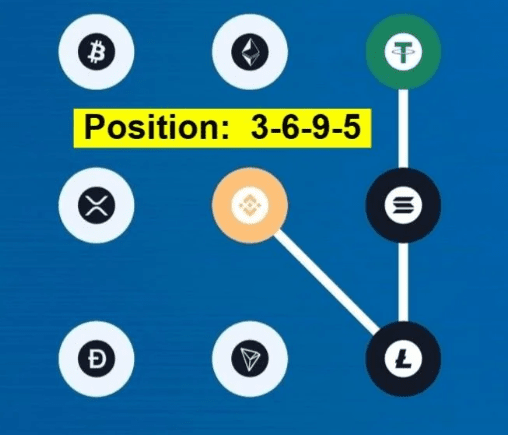
Syntax Verse Quiz and Vault – 01 October 2026
Question: Why might a lending protocol favor highly liquid collateral over an obscure asset with the same nominal value?
Reported Answer: A) Liquid collateral can generally be sold more efficiently during a liquidation.
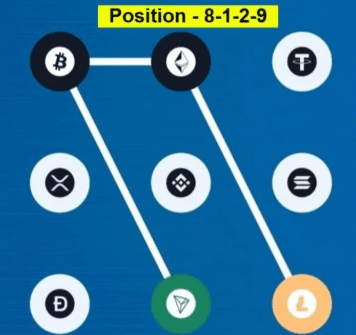
Syntax Verse Quiz and Vault – 02 October 2026
Question: Why might a trader use a private transaction route for a sensitive swap?
Reported Answer: B) It can reduce the chance of the transaction being publicly exposed before execution.
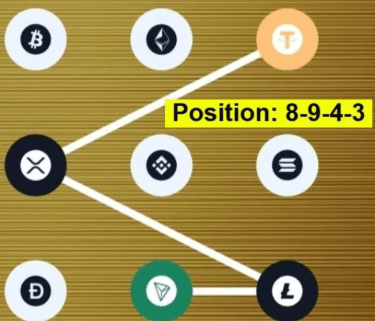
Syntax Verse Quiz and Vault – 03 October 2026
Question: Why might a DAO avoid spending a large portion of its treasury during a strong market?
Reported Answer: C) Preserving reserves can provide flexibility if market conditions later deteriorate.
Syntax Verse Quiz and Vault – 04 October 2026
Question: Why might a protocol consider previous contribution history when deciding who receives an opportunity?
Reported Answer: A) Past behavior can provide evidence of genuine participation.
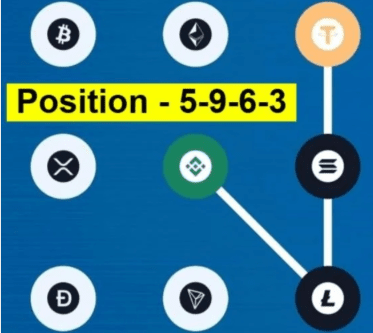
Syntax Verse Quiz and Vault – 05 October 2026
Question: Why might a lending protocol liquidate a position before the collateral value falls below the outstanding debt?
Reported Answer: D) The threshold provides a buffer for price movements and liquidation execution.
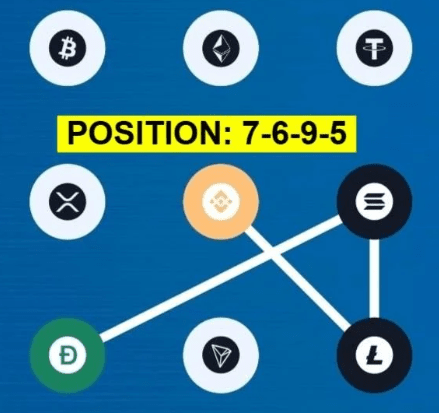
Syntax Verse Quiz and Vault – 06 October 2026
Question: Why might a decentralized application store important content across a distributed storage network?
Reported Answer: B) It can reduce dependence on a single hosting provider.
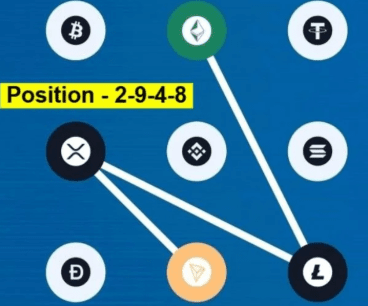
Syntax Verse Quiz and Vault – 07 October 2026
Question: Why might extremely high token velocity complicate a project’s attempt to create long-term demand?
Reported Answer: A) Frequent transfers can indicate that users are using the token without necessarily holding it for future utility.
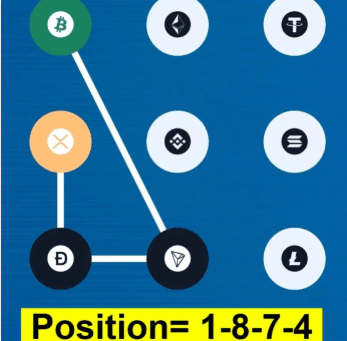
Syntax Verse Quiz and Vault – 08 October 2026
Question: What advantage can programmable spending limits provide in a smart account?
Reported Answer: B) They can restrict how much an account is allowed to spend under defined conditions.
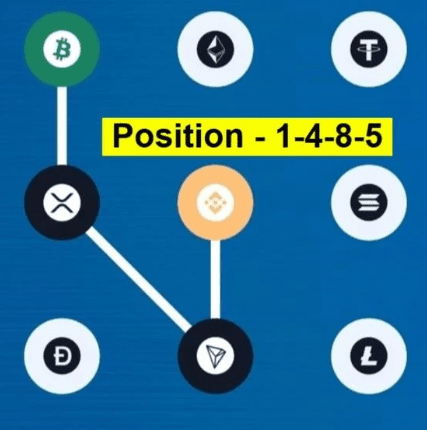
Syntax Verse Quiz and Vault – 09 October 2026
Question: What can happen when a protocol sharply reduces liquidity rewards after attracting capital through high incentives?
Reported Answer: C) Some incentive-driven liquidity may leave when the rewards no longer justify the opportunity.
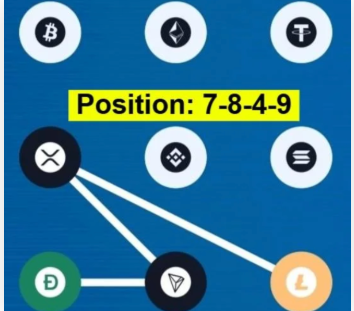
Syntax Verse Quiz and Vault – 10 October 2026
Question: A Special Vault offers an enhanced reward for a limited period. What is the most important consideration when planning participation?
Reported Answer: B) The opportunity may have specific eligibility, timing, or completion requirements.

Syntax Verse Quiz and Vault – 11 October 2026
Question: Why can deep secondary-market liquidity matter during a wave of stablecoin redemptions?
Reported Answer: C) It can make large amounts of selling easier to absorb.
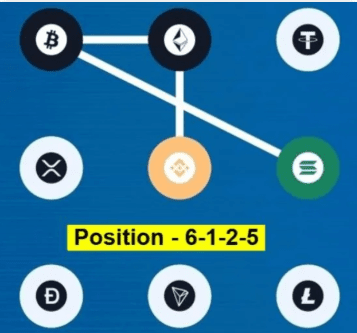
Syntax Verse Quiz and Vault – 12 October 2026
Question: Why can a cross-chain application inherit risks from more than one network?
Reported Answer: A) It depends on the security and messaging assumptions connecting those networks.
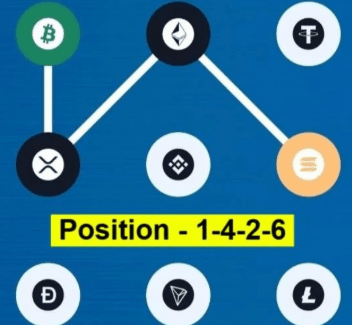
Syntax Verse Quiz and Vault – 13 October 2026
Question: What problem can a governance quorum help address?
Reported Answer: D) It can prevent decisions from passing with extremely limited participation.
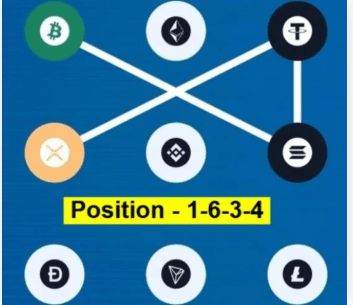
Syntax Verse Quiz and Vault – 14 October 2026
Question: Why might investors examine the source of a DeFi yield rather than focusing only on its percentage?
Reported Answer: b) The source helps reveal whether returns depend on durable activity or temporary incentives.
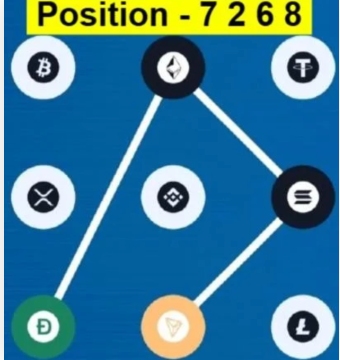
Syntax Verse Quiz and Vault – 15 October 2026
Question: A user wants to understand how their SyntaxVerse activity has developed since joining. Which feature is designed for this?
Reported Answer: B) Analytics, which records progress across multiple activity areas.
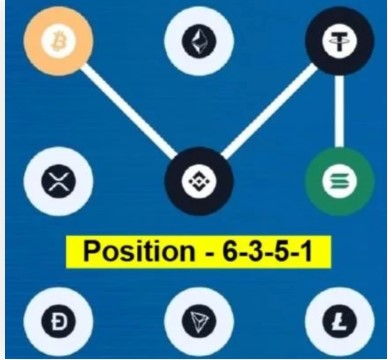
Browse More Syntax Verse Quiz Archives
You can compare other months in the Syntax Verse Daily Quiz archive category, or browse more daily crypto games through the Daily Crypto Rewards hub.
Quiz Topics from 1–15 October
The first week focused on practical blockchain decisions. The 2 October quiz discussed private transaction routes. The 3 October question asked why a DAO might keep money in reserve during strong market conditions, and the 5 October entry explained the safety buffer used by lending protocols before liquidation.
From 7–9 October, the topics covered token velocity, programmable spending limits, and liquidity incentives. The answers show that a busy token market does not always create long-term demand, and that some liquidity may leave when rewards fall.
The last six supplied questions turned to Vault eligibility, stablecoin liquidity, cross-chain risks, governance quorums, DeFi yield, and activity analytics. They asked players to think about how a protocol works rather than recall a token price.
Daily Quiz and Vault: Why the Answers Are Different
A Daily Quiz answer is a choice linked to a question. A Vault card or code is a separate game entry. Completing one task does not prove that the other was completed. The option letter is also tied to the wording of that specific quiz and should not be reused in a different round without checking the choices.
The Syntax Verse records for 1–15 October 2026 show a mix of practical Web3 topics, from security and lending to protocol governance. They are kept here as a dated reference. Past answers and Vault tasks should not be treated as active rewards.
This page is for historical information only and is not financial advice. Game features, quiz choices and reward terms can change. In-app credits have no guaranteed cash value. Never share passwords, private keys or wallet recovery phrases to claim rewards.






