Crypto ATMs: Why Cities Are Restricting Them in 2026

Crypto ATMs: Regulations, Scams, and City Bans in 2026
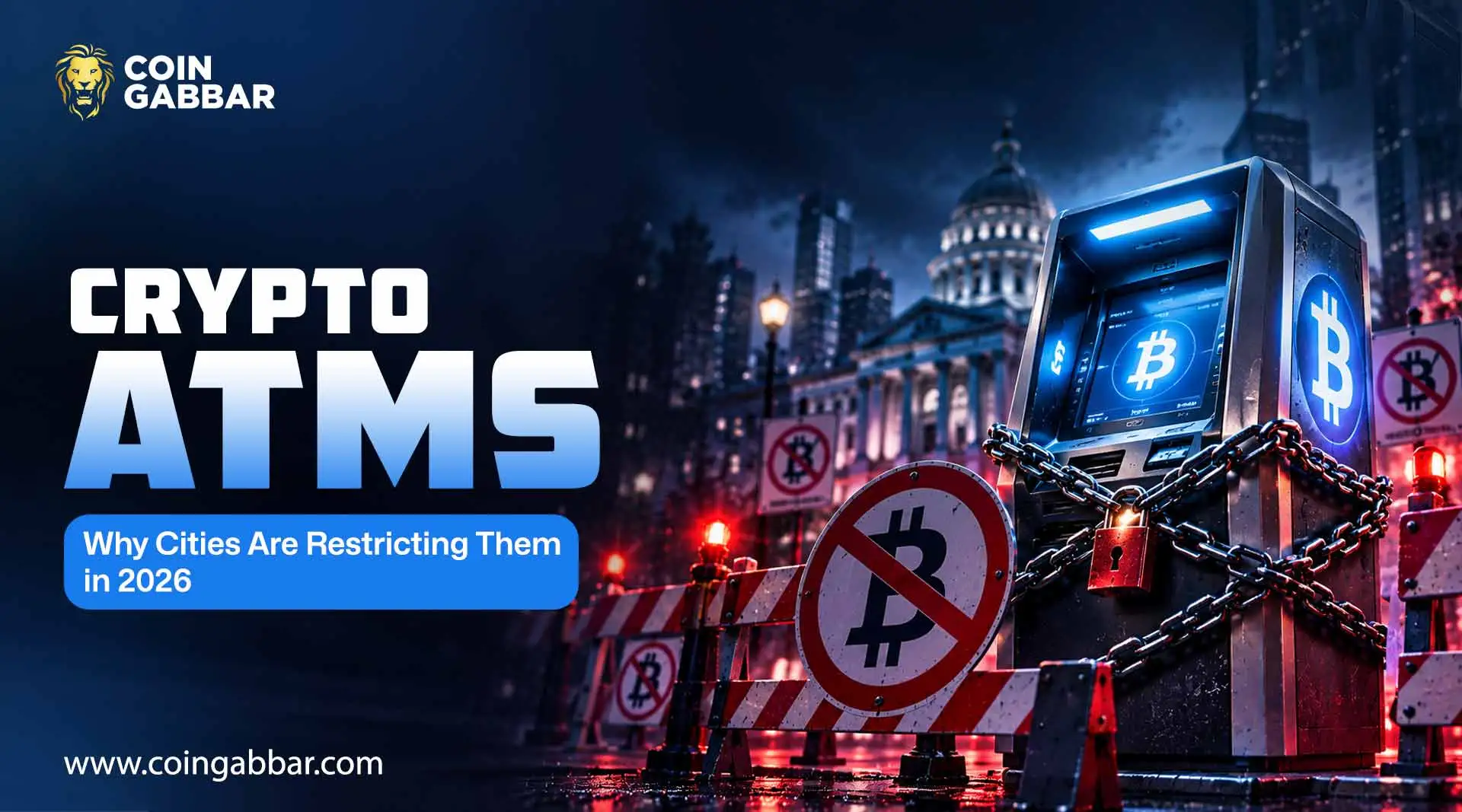
Crypto ATMs, also called virtual currency kiosks, are legal in most of the United States. They are also one of the fastest-growing targets for lawmakers, largely because of rising crypto scams .
The FBI's Internet Crime Complaint Center reported that kiosk fraud losses climbed sharply again in 2025, with older adults suffering the largest share.
In response, cities such as Spokane have banned the machines, Indiana has gone statewide, and Virginia has written transaction limits into law.
How Do Crypto ATMs Work?
A customer feeds cash into a kiosk, scans a wallet QR code, and the operator sends crypto to that wallet.
For honest buyers, it is a quick on-ramp. For scammers, it is ideal. A blockchain transfer has no built-in chargeback, so once the coins reach a criminal's wallet, they can be moved on within minutes.
Readers who follow crypto news will have noticed the pattern: every few weeks, another city or state moves against the machines.
Why Are Cities Banning Crypto ATMs?
The scam usually runs on a script. A caller pretends to be a bank, a government agency, or tech support, claims the victim's money is at risk, and orders them to withdraw cash and deposit it at a kiosk.
The Federal Trade Commission's consumer alert puts it plainly: nobody legitimate will tell anyone to use a Bitcoin ATM to protect their money.
The scale explains the local reaction. The FTC's data analysis showed that reported losses had grown many times over in just a few years, that the typical victim lost a painful sum, and that impersonation and tech-support scams made up the great majority of kiosk loss reports. The FBI's newer 2025 data shows the problem kept growing.
What the Evidence Shows
| Claim | Status | Last verified |
| Kiosk fraud losses rose sharply in 2025, with older adults hit hardest (FBI IC3) | Official | Oct 2026 |
| Reported kiosk losses grew many times over between 2020 and 2023 (FTC) | Official | Oct 2026 |
| Impersonation and tech-support scams made up most kiosk loss reports (FTC) | Official | Oct 2026 |
| Older adults lost the largest share of reported money (FTC) | Calculated, a clear majority | Oct 2026 |
| FinCEN warned of kiosk scam payments in August 2025 | Official | Oct 2026 |
| Exact number of working kiosks in the US today | Not verified | n/a |
Which US States and Cities Have Banned Crypto ATMs?
Indiana signed a statewide prohibition in March 2026. That is the strongest state action so far.
Spokane, Washington, voted in June 2025 to prohibit virtual currency kiosks, effective July 2025.
Nearby Spokane Valley followed in May 2026 with a civil penalty, after officials tied a group of local kiosks to a run of fraud cases.
Kennewick adopted its own ordinance with a removal period for existing machines, citing hundreds of thousands of dollars in local losses, according to MRSC. Washington has no statewide ban, so towns are acting alone.
Albuquerque, New Mexico, passed an ordinance that took effect in October 2026. It bars kiosks and cashier-facilitated virtual currency transactions, also covers landlords and retailers hosting machines, and carries reported daily fines.
Physical removal was due by December 2026. Residents can still own and privately send crypto.
This one is labeled Reported because it rests on news coverage and the city's announcement, not the ordinance text.
Crypto ATM Regulations at a Glance
| Jurisdiction | Approach | Status |
| Indiana | Statewide prohibition | Official, enacted March 2026 |
| Spokane | Municipal prohibition | Official, effective July 2025 |
| Spokane Valley | Prohibition with civil penalty | Official, May 2026 |
| Kennewick | Prohibition with removal period | Reported |
| Albuquerque | Prohibition with daily fines | Reported, effective October 2026 |
| Virginia | Licensing plus transaction limits | Official limits take effect in July 2027 |
| Australia | Cash cap and enhanced checks | Official |
What Federal Rules Apply to Crypto ATM Operators?
In the United States, FinCEN guidance treats qualifying virtual currency exchangers and administrators as money transmitters, subject to exemptions.
In practice, most kiosk operators register as money services businesses and must run anti-money laundering programs and report suspicious activity. These duties do not apply identically to every business or user.
FinCEN's August 2025 notice said the risk of illicit use rises when operators fail to meet those obligations. A full PDF lists the red flags.
Are There Transaction Limits for Bitcoin ATMs?
Yes, in a growing number of places. Virginia's kiosk law sets lower daily limits for new customers than for existing ones, but these limits are scheduled for July 2027. They are not yet in force.
In Australia, AUSTRAC capped cash deposits and withdrawals at crypto ATMs and required enhanced customer due diligence and scam warnings.
Many other states have passed kiosk laws since 2023, according to advocacy group tracking, so treat the exact count as reported.
Do Crypto ATM Bans Actually Work?
Early evidence is thin. A ban removes one convenient channel, but scammers can switch to gift cards or wire transfers.
Caps and warnings keep legitimate users in the market but may only slow a determined victim.
Licensing offers accountability but depends on enforcement. Which approach performs best is not verified, and the 2026 laws are too new to judge.
Can a Crypto ATM Transaction Be Reversed?
Almost never. The FTC says that once cash is deposited, it goes straight into the scammer's wallet.
Fees are also a concern: markups vary by operator, so users should read the screen before confirming. A universal fee figure is not verified.
How Can Crypto ATM Scam Victims Report Fraud?
-
Contact the kiosk operator immediately and ask about a hold or refund.
-
Report the incident to local police and keep the receipts.
-
File a report at ReportFraud.ftc.gov.
-
Submit a complaint to the FBI's IC3.
Recovery is not guaranteed. Reports mainly help investigators spot patterns.
Safety Checks
-
Crypto ATM users should never use a machine because a caller, email, or text instructed them to.
-
Users should not withdraw savings after receiving an unexpected message.
-
They should hang up and call their bank using a number obtained independently.
-
Every crypto presale pitch should be treated with suspicion, especially one demanding cash. Users should also remain skeptical of any "guaranteed" crypto price prediction.
-
Users should read the on-screen warning. If it describes their situation, they should stop.
-
Individuals who want to buy crypto can consider a licensed exchange such as Coinbase or Kraken, which may offer clearer fees and transaction records. No exchange guarantees protection from fraud or investment loss, and safeguards differ by country and account type.
Final Thoughts
Crypto ATMs are not illegal across most of the US, but the trend is clear. The FBI's 2025 findings, plus bans in Indiana, Spokane, and Albuquerque, show regulators moving from warnings to hard limits.
Anyone thinking about a kiosk should check local rules first. Anyone urged by a stranger to use one should hang up. The machine is not the villain. The script around it is.
Disclaimer: This article is for information only and is not financial or legal advice. Rules change quickly, so confirm current law with your local authority.