Draze NFT Guide 2026: How to Mint NFTs, Earn XP and Unlock Rewards

What Are Draze NFTs and How Does the Ecosystem Work?
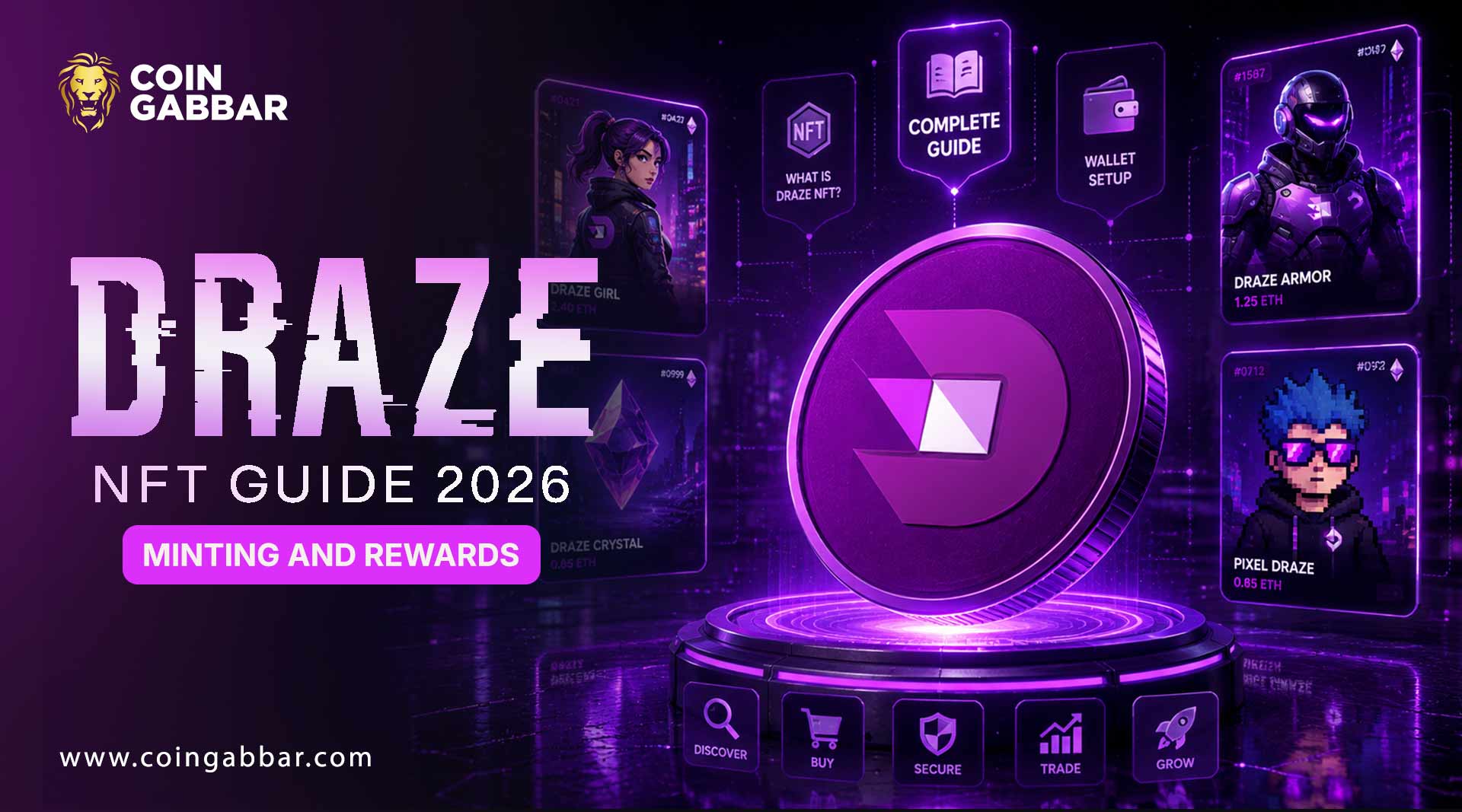
NFT projects are shifting from static art to full ecosystems. A Draze NFT is part of that shift. It combines minting, identity, and rewards in one place. This guide covers collections, minting steps, and XP. You'll also see risks and how it compares to older projects.
Key Takeaways
-
It supports minting across 18+ blockchains.
-
Most collections mint free or under 0.01 ETH.
-
The Draze Passport gives faucet access and staking.
-
DRAZE-ID works as the ecosystem's native token.
-
XP unlocks Discord roles, airdrops, and staking perks.
Which Draze NFT Collections Can Users Explore?
It hosts over 120 NFT collections today. Some are themed, others are utility-first.
-
Sports drops like Spain and Argentina World Cup NFTs.
-
Fantasy characters such as Kairo, Zenko and Rayyan.
-
Loyalty items like OG Badge and Base Card.
-
Chain-specific test collectibles on Monad and Arc.
These collections span mainnets and testnets alike. Each listing shows price, chain and holder benefits upfront, according to the official website.
What Is the Draze Passport NFT?
The Draze Passport is the platform's flagship collectible. It currently mints for 0.0015 ETH on Base. Holders unlock three core perks:
-
Instant faucet access for regular test tokens.
-
Staking rewards paid in native tokens over time.
-
Daily XP claims of up to 1,500 XP.
This makes the Passport a gateway asset. It sits above single-use collectibles in long-term value.
How Does DRAZE-ID Work for NFT Users?
DRAZE-ID functions as the native token behind the ecosystem. Users stake it to earn ongoing rewards. It links wallet activity, quests, and Non-Fungible tokens holdings together. Think of it as the identity layer tying every mint back to one profile. This lets the platform track XP and rewards across chains, per the project's site.
How to Mint Draze NFTs in 2026?
Minting is designed to be simple, even for newcomers. Here's the basic flow for NFT minting on the platform:
-
Connect your wallet to the Draze platform.
-
Browse collections and pick a chain.
-
Complete any required quest tasks, if listed.
-
Pay the mint price, or mint for free.
-
Confirm the transaction and claim your Non-Fungible tokens.
That's the core process for how to mint NFTs right now. Some drops need aggressive gas settings on busier testnets.
How Can You Earn XP Through Draze NFTs?
XP is the backbone of the reward system. You can earn it several ways:
-
Minting eligible collections, often worth 500 to 1,000 XP.
-
Claiming daily XP through the Draze Passport.
-
Completing the Quest campaigns and side tasks.
-
Staking DRAZE-ID for passive point accrual.
Higher XP typically unlocks better ecosystem perks over time.
What Rewards Can Holders Unlock?
Beyond XP, holders get access to several reward layers. These rewards include:
-
Exclusive Discord roles like OG, Genesis and Xen.
-
Native token airdrops tied to specific collections.
-
Staking rewards for long-term holders.
-
Spin-to-win entries and community giveaways.
Some collections, like Crystal Aura, add seasonal storylines too. Future chapters may unlock additional perks for early holders.
Which Blockchains Support The NFTs?
It is built as a genuinely multichain NFT platform. Supported networks include: Base, Polygon, BNB Smart Chain and Optimism. Monad, Arc, Robinhood Chain and Somnia testnets. Unichain, Soneium, MegaETH and Flow. Pharos Atlantic, Tempo, Hedera and Sepolia.
This spread across 18+ chains supports true multichain Non-Fungible tokens. It lets users test new networks without switching platforms constantly.
Are These NFTs Free to Mint?
Many collections mint completely free of charge. Others carry a small fee. Pricing generally falls into these bands:
-
Free mints on most testnet collections.
-
0.0005 to 0.005 ETH for premium Base drops.
-
25 POL for the Community Pass collectible.
-
0.005 BNB for the Signature III release.
So pricing varies by collection, chain and rarity tier. Not every project publishes every fee upfront, so check listings directly.
What Are the Risks of Buying $DRAZE NFTs?
Like all crypto NFTs, it carries real risks. Consider these before minting:
-
Testnet tokens usually hold no real market value.
-
Gas fees can spike during high-demand mint windows.
-
Smart contract bugs remain possible on any chain.
-
Quest-gated mints may require sharing wallet permissions.
This isn't financial advice. Always research before connecting a wallet. Treat unverified links and copycat sites with caution.
Draze NFTs vs Traditional NFT Projects: What Is Different?
Traditional NFT drops usually stick to one chain. They also focus mostly on static artwork. It takes a different approach for 2026:
-
Multichain minting instead of one fixed network.
-
Gamified XP layered on top of ownership.
-
Ongoing utility through staking and Discord roles.
-
Frequent new drops instead of a single collection.
This makes the project feel closer to a Web3 NFTs platform than a single art series. It rewards continued activity, not just the initial mint.
Coin Gabbar Analysis: Are These Worth Exploring in 2026?
This NFT crypto presale stands out for variety. The multichain spread lowers the barrier to try new networks. Free mints reduce risk for curious first-time users.
However, most listed chains remain testnets today. That means real value depends heavily on future mainnet migration. This NFT guide suggests treating it as an early ecosystem play. Explore small, track XP, and watch for mainnet expansion signals.
Final Verdict
A Draze NFT offers more than a collectible image. It bundles identity, staking, and gamified rewards together. Newcomers can start free and scale up from there. Just weigh the testnet-heavy structure before committing real funds.
Disclaimer: This article is for informational purposes only and isn't financial advice. NFTs and crypto assets carry risk, including price volatility, smart contract bugs, and total loss of funds. Testnet tokens typically have no real-world value. Always do your own research before connecting a wallet or minting. We are responsible for any losses from actions taken based on this content.
Also read: