Nine Chronicles Heimdall Arena Season 20: Win From 400K NCG Pool

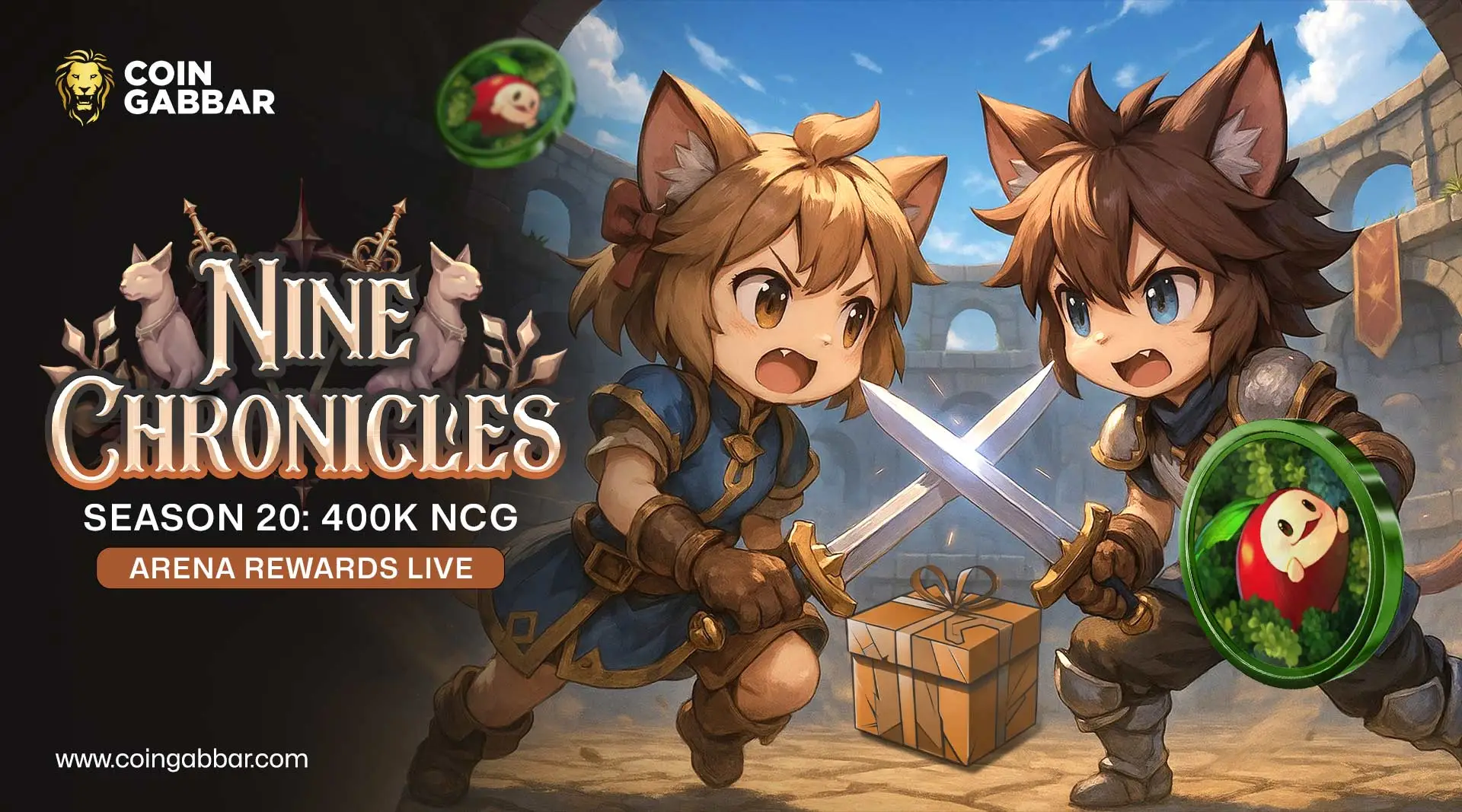
Nine Chronicles Heimdall Arena Season 20: How 400,000 NCG Rewards Work
If you’ve been seeing people talk about Nine Chronicles Heimdall Arena Season 20, you’re probably wondering the same thing a lot of players are asking right now:
Is the new arena season actually worth playing for the rewards? The short answer — maybe, if you like grinding arena rankings.
The Nine Chronicles Heimdall Arena Season 20 went live in Nine Chronicles and it’s bringing a 400,000 NCG reward pool, plus a reworked Season Pass system that splits progression into three different tracks.
For players following the blockchain MMORPG space, this update is another example of how Web3 games are trying to keep competitive content alive without relying only on token incentives.
But let’s break down what actually changed this season and where the rewards come from.
What Is Nine Chronicles Heimdall Arena Season 20?
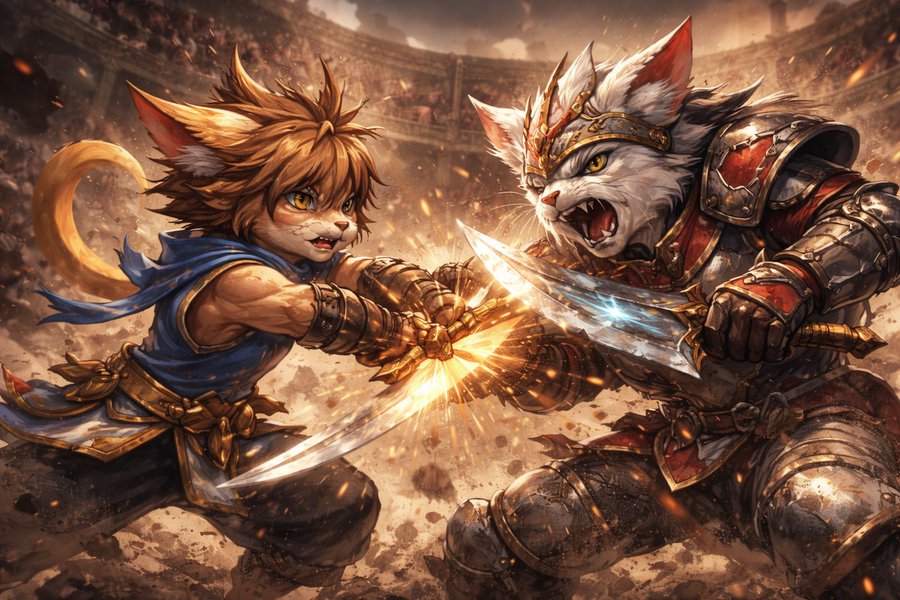
At its core, it’s the same arena system Nine Chronicles MMORPG has been running for years — ranked PvP battles where players climb a seasonal leaderboard.
Each season resets the rankings. Everyone starts from the same point and tries to push their way up again.
The better you perform in arena fights, the higher you rank. And when the season ends, the rewards are distributed based on those rankings.
Pretty simple concept. What makes Season 20 a bit more interesting is the reward structure around it, especially with the new pass system running alongside the arena.
For a decentralized gaming platform, keeping these seasonal competitions running is important because it keeps the economy moving and gives players a reason to log in regularly.
The 400,000 NCG Reward Pool Explained
Season 20 is distributing 400,000 NCG, the main crypto gaming token used in the Nine Chronicles ecosystem. Now obviously, not everyone gets the same amount.
Top leaderboard players usually walk away with the largest share, while lower ranked players get smaller slices depending on how active they were during the season.
That structure is pretty common in Web3 gaming rewards systems now.
The idea is simple that reward competitive players the most, but still give casual grinders something for participating.
Whether that’s enough to motivate players depends on the current NCG price — which, like any token, moves around.
How the New Season Pass Works
The bigger change this season isn’t the prize pool. It’s the Season Pass redesign.
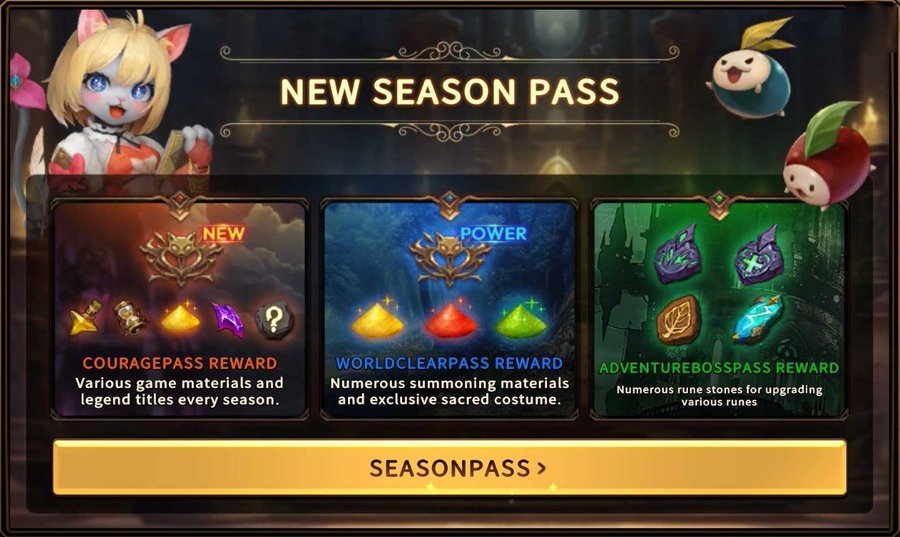
Instead of one long progression track, the pass is now split into three different ones.
Players can progress through:
Courage Pass
World Clear Pass
Adventure Boss Pass
Each track focuses on a different type of gameplay.
Honestly, this change probably came after feedback from players who didn’t want to grind the same content just to unlock rewards. It makes progression feel a little less forced.
The Courage Pass
The Courage Pass is the easiest one to understand. You earn Courage EXP simply by playing the game — arena battles, crafting, clearing content, the usual stuff.
As the EXP builds up, you unlock rewards like materials and seasonal titles.
Nothing too complicated. It’s basically the pass that rewards players who log in regularly and do a bit of everything.
World Clear Pass Is For Story Progression
The World Clear Pass is aimed at players pushing through the game’s PvE stages.
Completing worlds gives you Dust and other resources, plus some extra items along the pass. One thing that caught players’ attention here is the exclusive sacred costume reward, which is locked into this track.
Cosmetics still matter in NFT RPG games, especially when they’re tied to seasonal events. Premium pass holders get a few extra bonuses here too, mainly more materials and summoning resources.
The Adventure Boss Pass Is For Rune Grinding
The third track focuses entirely on Adventure Boss fights.
If you’re someone who spends most of your time fighting bosses anyway, this pass will progress naturally. The rewards here mostly revolve around Rune Stones, which are used to upgrade runes.
Rune upgrades are one of those systems that quietly affect everything — especially arena performance. So if you’re trying to climb the PvP rankings, this pass might actually be the most useful one long term.
Can You Actually Earn From Nine Chronicles?
This is the question people search for the most. And the honest answer is: yes, but it depends how much you play.
Like many play to earn RPG 2026 games, the reward economy revolves around the game’s token — in this case NCG.
Players can earn tokens through:
arena rankings
marketplace trading
crafting and selling items
seasonal events
Some players treat it like a side income stream.
Others just see it as a bonus for playing. Either way, the value of those rewards still depends on the token market.
Why Nine Chronicles Still Matters in Web3 Gaming
The reason Nine Chronicles keeps showing up in discussions about decentralized gaming platforms is its structure.
Unlike many blockchain games, it actually runs much of its logic on-chain.
That means:
game data is transparent
items exist on-chain
players control their assets
Whether that model is scalable long term is still debated in the blockchain MMORPG world, but Nine Chronicles has been experimenting with it longer than most.
Final Thoughts
Heimdall Arena Season 20 isn’t a radical reinvention of Nine Chronicles. But it does make a few meaningful adjustments.
The 400,000 NCG prize pool keeps the competitive arena scene alive, while the three-track Season Pass gives players more flexibility in how they progress.
For anyone interested in Web3 gaming rewards, crypto gaming tokens, or the future of NFT RPG games, it’s another small step in the ongoing experiment of blockchain gaming.
YMYL Disclaimer : This article is for educational purposes only. Game features, rewards, and pricing may change at the developer’s discretion. Play-to-earn rewards are not guaranteed, and crypto assets can be volatile. Always do your own research before investing time or money in any game.
Also read: