Nova NFT Explained: A Guide to Login, Withdrawals & Risks

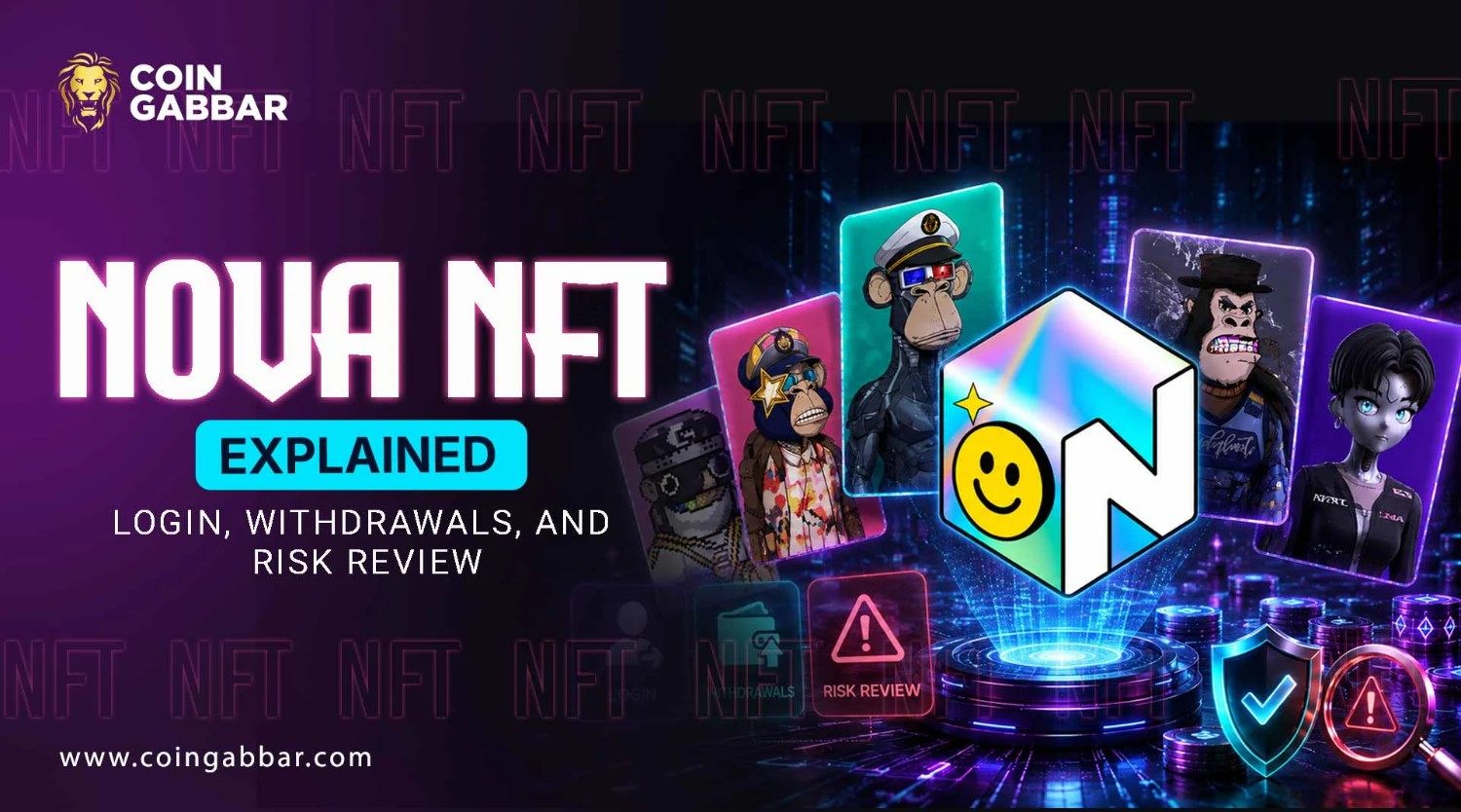
Nova NFT Explained: Login, Withdrawals, and Risks Explained
New platforms show up in the NFT space almost every month, but few generate as much back-and-forth as Nova NFT has lately.
A lot of this traces back to Treasure NFT, an older project that announced a so-called global withdrawal phase toward the end of 2025. Nova Login came bundled with that announcement, positioned as the fresh access system users would need going forward. That's really why the two names keep showing up together in the same breath.
This piece walks through what it actually claims to do, how the login and withdrawal steps work in practice, and more importantly what to watch out for before putting any real trust (or funds) into it.
What Is Nova NFT?
Strip away the marketing language, and Nova NFT is essentially a platform where users collect and hold NFT-linked assets, with the promise of withdrawing that value later. It sits under a bigger umbrella of announcements connected to Treasure NFT, including talk of a "migration" toward a new operating structure.
Nova Login itself is just the account-access layer. It replaced whatever entry system existed before and was built to feel closer to a normal app login than a crypto wallet connection—no seed phrase, no browser extension, just a username and password-style setup.
Here's roughly what that adds up to:
A login gateway designed to feel familiar, not intimidating.
A withdrawal system that's supposed to finally unlock stored value.
An ecosystem story built around external funding claims.
A rebrand, more or less, dressed up as the "next phase."
How Does Nova NFT Work?
Functionally, there isn't much complexity here. Log in, look at a dashboard, and try to withdraw. The login screen skips wallet connections entirely, which is unusual for anything calling itself an NFT platform; most competitors lean hard into MetaMask-style access.
That said, the simplicity is probably intentional. It's aimed at people who've never touched crypto before and would rather type a password than manage private keys. Once inside, the dashboard lays out holdings and balances in a fairly clean layout—nothing fancy, but readable, as per official docs., or whichever is supported, before sending funds out.
There's usually a "verification step" tucked in before any withdraw
A few things worth noting about how it's built:
Login runs on credentials, not a wallet signature.
The dashboard shows holdings, balances, and account status together.
Withdrawals route through external wallets such as MetaMask or Trust Wallet.
Users pick a network like the Ethereum chain or Polygonal gets approved.
Users also come across phrases like "global operating phase" or "structural readiness" scattered through official updates. Honestly, this is fairly common language in crypto; it sounds official without actually committing to a date.
Nova NFT Login and Withdrawal Guide
Getting in is simple enough. Open the app or site, hit the Nova NFT login button, and enter your credentials. No wallet pop-up, no signature request, just a straightforward sign-in screen.
Withdrawals are where things get more involved. Once logged in, the dashboard shows what's available, and from there a user can technically request a transfer out. Technically being the key word, since several verification prompts tend to appear along the way.
The general flow looks like this:
Log in through the official app or site; skip any APK shared in random Telegram groups.
Head to the portfolio or collection tab to see what's listed.
Pick the NFT you want to move and select withdraw or transfer.
Drop in a destination wallet address, matched to the right network.
Confirm the transaction and pay whatever fee shows up.
Wait. Sometimes it's quick, sometimes it isn't.
That last step is where most complaints come from. Balances show up fine on the dashboard, but the actual withdrawal often sits at "pending" for days, occasionally weeks, with support offering little beyond copy-paste responses about the ongoing rollout phase.
What Makes Nova NFT Appealing?
To be fair, there's a reason people keep signing up. The login process really does remove a barrier that trips up a lot of newcomers—no wallet setup, no worrying about losing a seed phrase. For someone dipping a toe into NFTs for the first time, that's genuinely appealing.
The dashboard also does its job. Holdings and balances are visible without needing to understand how any of the underlying blockchain mechanics work, which lowers the learning curve considerably.
Quick rundown of what's working in its favor:
Simple onboarding that doesn't require prior crypto experience.
One dashboard to check everything instead of juggling multiple tools.
Fairly consistent update posts, even if the details stay vague.
Messaging that frames delays as liquidity management rather than dysfunction.
Whether that framing holds up is a separate question, but it's part of why interest hasn't died down.
Nova NFT: Red Flags to Consider
Now the harder part. Nova NFT doesn't publish anything close to standard company information—no registration details, no named leadership, and nothing that ties it to a licensed or regulated entity anywhere. That alone should raise an eyebrow.
Then there's the withdrawal issue. Multiple users across forums and social platforms describe requests that just sit there, unresolved for weeks. Support responses tend to repeat the same scripted language about phases and timing rather than addressing individual cases directly.
Some of the bigger gaps:
No public registration, headquarters, or leadership names to verify.
Repeated reports of stuck or failed withdrawal requests.
Institutional claims BlackRock being the most common one with zero confirmation from the actual institution.
No independent audit of the smart contracts or backend involved.
Nearly all communication happens through Telegram-style updates instead of formal channels.
Nova NFT: Current Status and Updates
Right now, mid-2026, most of the conversation still circles back to whether withdrawals are actually working and whether login access is stable. Since late 2025, updates mentioning large funding numbers and the BlackRock name have spread fast through crypto forums and group chats.
None of it has been verified by the institutions supposedly involved. Not one confirmation. That leaves the entire narrative floating somewhere between plausible and speculative, no matter how confident the announcements sound.
What's actually happening on the ground:
Search traffic keeps spiking around withdrawal status.
Speculation in communities outpaces anything official.
"Phased rollout" language continues without a real date attached.
Verification prompts keep appearing before any payout attempt goes through.
The distance between what's promised and what's confirmed is really the story here, and it's worth sitting with before deciding how much trust to extend.
Nova NFT: Future Outlook and Key Factors
If Nova NFT wants to shake the skepticism, transparency has to come before more marketing. Verified company details, a real third-party audit, and actual proof of completed withdrawals—that's what would move the needle, not another update post using the word "phase."
Right now, its future basically hinges on whether payouts start matching what's been promised. One solid wave of confirmed, verifiable withdrawals could flip public opinion fast. So could another round of stalled requests.
A few directions this could realistically go:
Verified on-chain withdrawals would shift sentiment almost overnight.
More vague claims will likely deepen the existing distrust.
Regulators could get involved if fund-related complaints keep piling up.
A published audit, if it ever happens, would carry far more weight than any announcement.
Nova NFT occupies a strange middle ground: a genuinely interesting login and withdrawal design on one hand and a stack of unresolved red flags on the other. The lack of verifiable company information, paired with ongoing payout complaints, means the caution here isn't overblown.
Anyone considering the platform should lean toward research over hype, keep exposure limited, and wait for real transparency rather than taking community announcements at their word.
This article is for informational purposes only and does not constitute financial or investment advice. Readers should conduct independent research and consult a qualified financial advisor before making any decisions related to it or similar platforms.