Ongoing IDO Events vs Token Launches: Complete 2026 Guide

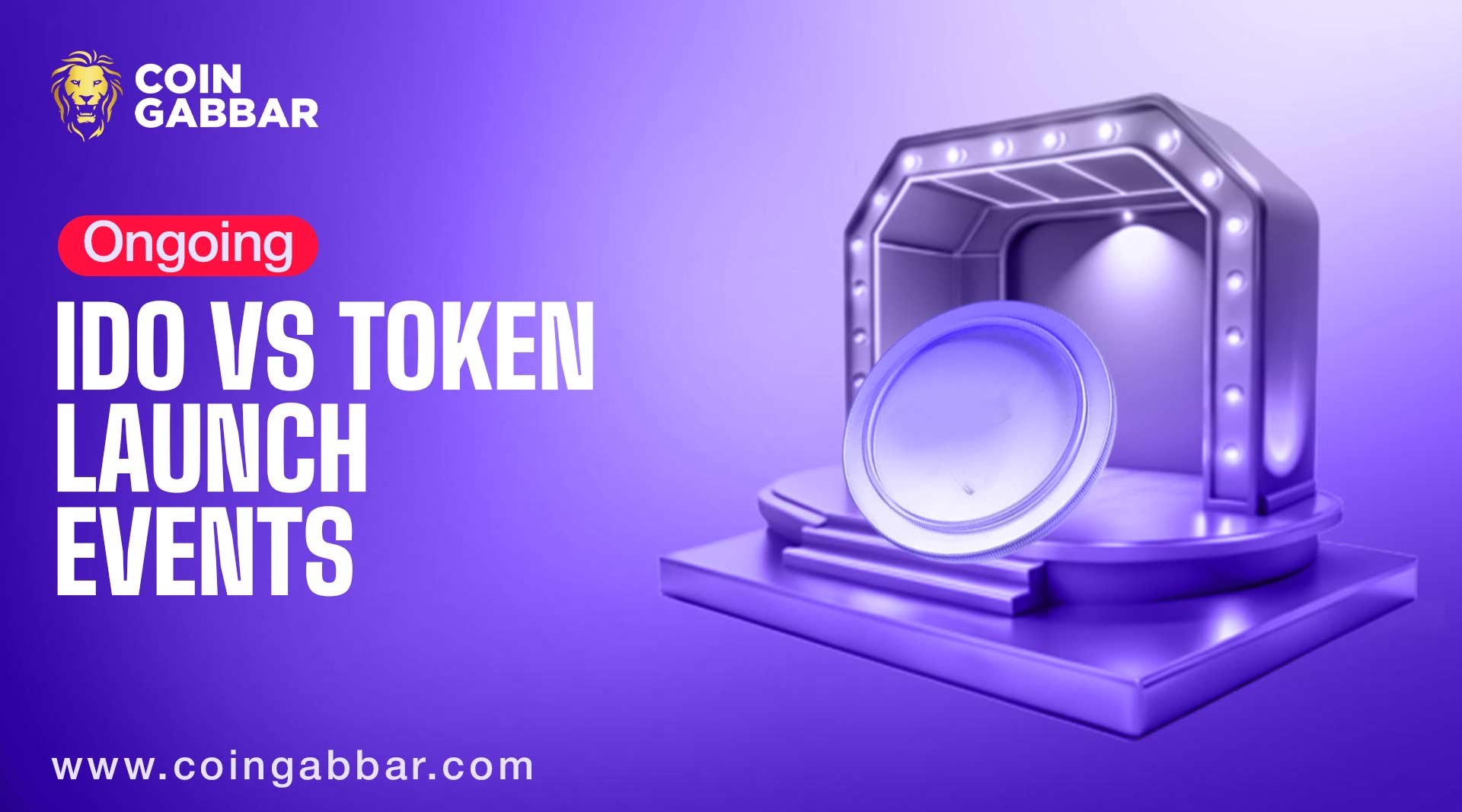
Ongoing IDO Events vs Token Launch Methods Explained
In the world of blockchain and cryptocurrencies, token launches are a crucial aspect of bringing new projects to life. One of the most popular ways for token projects to raise capital and build community support is through token generation events. Among these events, Initial DEX Offerings (IDOs) have gained significant attention in recent years.
But how do Ongoing IDO Events compare to other token launch events such as ICOs, IEOs, and STOs? Understanding these differences is important for token projects looking to raise funds and for investors deciding where to place their money.
In this blog, we’ll compare Ongoing IDO crypto events with other token launch methods, explain their key features, and discuss why they matter for both token projects and investors.
What Are Ongoing IDO Events?
Ongoing IDO events refer to token sales that are currently taking place on decentralized exchanges (DEXs). These events typically involve a blockchain project selling its tokens to the public in a decentralized and transparent way. Unlike ICOs or IEOs, IDOs are conducted on decentralized platforms, such as Uniswap, PancakeSwap, and others, with minimal intervention from centralized authorities.
How Do Ongoing IDO Events Work?
Token Listing on a DEX: The project selects a DEX where the IDO will take place.
Token Sale: Tokens are sold directly to investors through the DEX’s liquidity pool, usually in exchange for popular cryptocurrencies like ETH or BNB.
Liquidity and Trading: After the IDO, tokens are available for trading on the DEX, allowing investors to buy and sell freely.
For Token Projects: Ongoing IDOs offer token projects a low-cost, decentralized way to raise funds and distribute tokens to the community.
For Investors: Investors can participate in the event and acquire tokens directly from the liquidity pool, often before they are listed on larger exchanges.
"What Is a Token Generation Event" for a deeper dive into the concept of token generation events.
What Are Token Launch Events?
Token launch events is a broader term that encompasses various methods used by blockchain projects to distribute their tokens to the public. These can include Initial Coin Offerings (ICOs), Initial Exchange Offerings (IEOs), Security Token Offerings (STOs), and IDOs.
The common goal across all token launch events is to raise capital for the project, distribute tokens, and grow the project’s community. However, each method differs in how the tokens are sold, who is involved, and how they are managed.
ICO (Initial Coin Offering): A traditional method where tokens are sold to the public before they are created, usually via a website or platform.
IEO (Initial Exchange Offering): A type of token sale hosted and managed by a cryptocurrency exchange, providing higher security and trust.
STO (Security Token Offering): A regulated offering where tokens represent real-world assets or equity and are subject to legal compliance.
"Difference Between IDO, IEO & ICO Events" to explore the distinctions between these different token launch models.
Key Differences Between Ongoing IDO Events and Other Token Launch Events
Here’s a breakdown of the key differences between Ongoing IDO events and other token launch events:
Feature | Ongoing IDO Events | Other Token Launch Events |
Launch Platform | Decentralized exchanges (DEXs) | Centralized exchanges (IEOs) or custom platforms (ICOs, STOs) |
Control | Community-driven, decentralized | Centralized (IEO) or project-driven (ICO) |
Regulatory Oversight | Minimal oversight | Subject to regulatory compliance (IEOs, STOs) |
Liquidity | Immediate liquidity on DEXs | May require listing on exchanges after the sale |
Security | Lower security due to lack of curation | Higher security with vetting and regulation (IEOs, STOs) |
Global Reach | Open to anyone with access to DEXs | Limited to exchange users or jurisdictional restrictions (IEOs, ICOs) |
Fees | Low fees | High listing and exchange fees (IEOs, ICOs) |
Why Ongoing IDO Events Matter for Token Projects
Ongoing IDO events offer token projects a unique set of benefits:
1. Lower Costs and Fees
Unlike IEOs and ICOs, which often require significant fees for listing on an exchange or running an initial sale, IDOs are typically much cheaper to execute. There are no hefty listing fees, making IDOs more accessible to small and emerging token projects.
For Token Projects: IDOs offer an affordable way to distribute tokens, raise funds, and build a community without relying on intermediaries or centralized exchanges.
2. Community Involvement
Ongoing IDO events are often more community-driven compared to traditional fundraising models. Since the sale occurs on decentralized exchanges, the community has more control over the event, which leads to greater engagement and a more loyal following.
For Token Projects: These events allow token projects to engage directly with their community and foster a sense of ownership and participation.
3. Transparency and Trust
The decentralized nature of IDOs ensures that the process is transparent, with all transactions visible on the blockchain. This transparency builds trust with investors, who can see exactly how tokens are being sold and distributed.
For Token Projects: Transparency enhances the project’s credibility and helps build trust with potential investors.
"Why Web3 Security Events Matter" to explore the importance of security and transparency in IDO events.
Why Ongoing IDO Events Matter for Investors
For investors, Ongoing IDO events offer several advantages:
1. Early Access to Tokens
Investors in IDO events often get the opportunity to purchase tokens before they are listed on major exchanges. This early access can lead to significant profits if the token appreciates in value post-launch.
For Investors: Participating in IDOs provides the potential for early-stage investment at discounted prices, allowing investors to get in before a token is fully listed on larger platforms.
2. Low Entry Barriers
IDO events are typically open to anyone with access to a DEX, making them more accessible compared to ICOs or IEOs, which may require users to register on specific exchanges.
For Investors: The low entry barriers make IDO events more inclusive, allowing a wider range of investors to participate in token launches.
3. Greater Liquidity
After the IDO, tokens are listed directly on DEXs, meaning that investors can trade their tokens immediately, providing higher liquidity compared to ICOs, which often require a wait for tokens to be listed on exchanges.
For Investors: Immediate liquidity allows investors to trade tokens soon after the event, creating more flexibility and opportunities for profit.
To learn more about how token events influence market prices, check out our article How Token Events Affect Price.
The Future of IDO Events vs Token Launch Events
As the blockchain industry continues to evolve, IDO events are likely to become even more prominent, offering more opportunities for both token projects and investors. We can expect to see:
Increased Regulation: While IDOs are decentralized and often operate with minimal oversight, increasing regulatory clarity may shape the future of IDO events.
Innovations in Tokenomics: As the space matures, we will likely see new features and models emerge in IDO events, such as token staking or rewards mechanisms to incentivize participation.
Hybrid Token Launch Models: We may also see token launch events that blend elements from ICOs, IEOs, and IDOs, offering a hybrid approach to fundraising and distribution.
For Token Projects: Future IDO events will likely offer even more innovative ways to engage with the community and raise funds.
For Investors: With IDO events becoming more widespread, investors will have greater access to early-stage investment opportunities, but they will also need to stay vigilant about the risks involved.
"How Web3 Events Are Evolving" for insights into the evolution of token launch events.
Conclusion
Ongoing IDO events provide a decentralized and transparent method for token projects to raise funds and distribute tokens. They offer significant benefits such as lower fees, community involvement, and greater liquidity. For investors, IDO events offer early access to tokens and the potential for high returns.
By understanding the differences between Ongoing IDO events and other token launch events, token projects and investors can make more informed decisions about which method is best suited for their needs. The future of IDO events looks promising, with continued innovation and evolution in the decentralized token launch landscape.
Disclaimer
The content in this article is for informational purposes only. It should not be construed as investment advice or a recommendation to participate in any IDO events or projects. Always conduct your own research and consult with a financial advisor before making any investment decisions.
Also read:






.webp)