Syntax Verse Daily Quiz Answer 30 June 2026: Answer Inside!

Syntax Verse Daily Quiz Answer Today 30 June 2026
What is today's Syntax Verse Daily Quiz answer for June 2026 — and did you grab the vault code too?
Both reset every day. Both require separate action. Miss one and you lose half your daily reward. This page publishes confirmed answers for both the Syntax Verse Daily Quiz and the Vault Code — updated daily within two hours of each reset, no guesses, no placeholders.
The Syntax Verse Daily Quiz answer is tracked here in full — every question, every confirmed answer, and every vault code across all 30 days. Bookmark this page now. One missed day breaks your streak.
What Is Today's Syntax Verse Daily Quiz Answer ?
The Syntax Verse Daily Quiz is a single blockchain or Web3 question published inside the official mobile app each day. Users must select the correct answer before the daily reset to earn in-app rewards and keep their streak alive.
The quiz answer below is updated only after confirmation from the live app. Many pages publish guesses — which leads to wrong submissions and lost daily rewards. This page does not.
Today's Syntax Verse Daily Quiz Answer
Date: 30 June
Quiz: Why do some wallets simulate transactions before users approve them?
Answer: C) Simulations can preview potential outcomes and contract interactions.
Today's Syntax Verse Vault Code
The Vault is a separate daily reward layer. Each day a new vault code is published inside the official app. Entering the correct code in the Vault section contributes to in-app minting progress — a reward stream that runs independently from the quiz.
The quiz does not complete the vault. The vault does not substitute for the quiz. You must do both.
Date: 30 June
Vault Code:
Full Syntax Verse June 2026 Answer Table — All 30 Days
This is the complete June 2026 tracking table — updated every day as each quiz and vault code is confirmed from the live app. Both the quiz answer and the vault code are published here together so you never have to search two places.
Syntax Verse Daily Quiz + Vault Code — June 2026
| Date | Quiz Question | Correct Answer | Vault Code | ||
|---|---|---|---|---|---|
| 1 June 2026 | Why might a DAO encourage delegates to publicly explain their votes? | It helps token holders evaluate delegate decision-making over time. | 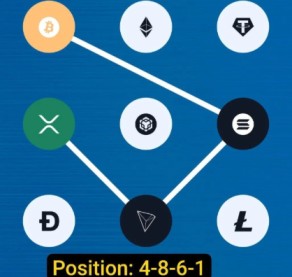 | ||
| 2 June 2026 | How can frequent large trades affect a liquidity pool? | They can shift the asset ratio and alter pricing within the pool. | 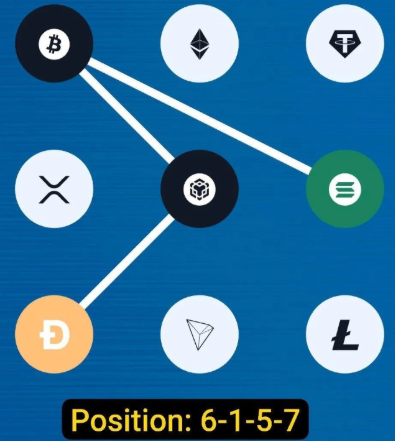 | ||
| 3 June 2026 | Why is recovery planning important even when using a hardware wallet? | The device can be lost, damaged, or become inaccessible. | 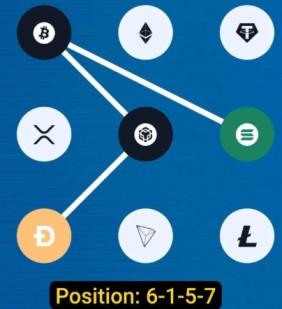 | ||
| 4 June 2026 | Why do projects often introduce new token use cases after launch? | Additional utility can strengthen demand within the ecosystem. | 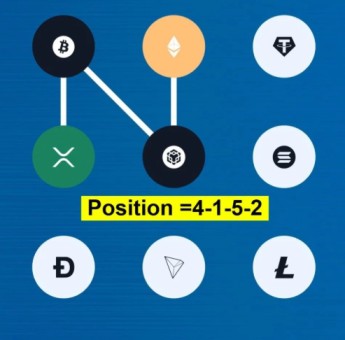 | ||
| 5 June 2026 | |||||
| 6 June 2026 | Why can a protocol become vulnerable when it relies heavily on external smart contracts? | Problems in connected contracts may affect its own operations. | 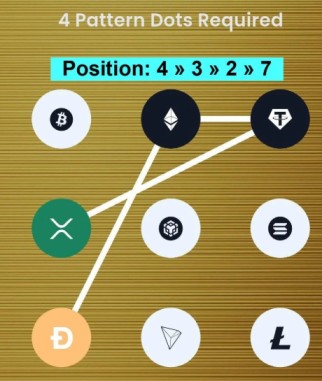 | ||
| 7 June 2026 | Why is digital ownership considered a foundational idea in Web3? | Users can directly control assets without relying on a central platform. | 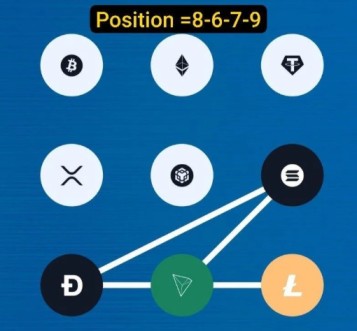 | ||
| 8 June 2026 | Why might a DAO encourage delegates to publicly explain their votes? | It helps token holders evaluate delegate decision- making over time. | 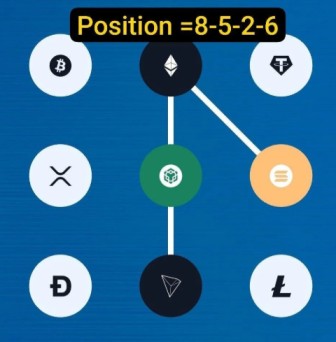 | ||
| 9 June 2026 | How can frequent large trades affect a liquidity pool? | They can shift asset balances and influence pricing. | 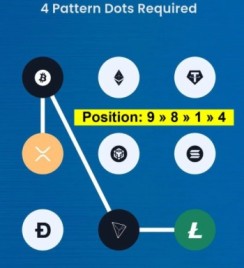 | ||
| 10 June 2026 | Why is recovery planning important even when using a hardware wallet? | The device can be lost, damaged, or become inaccessible. | 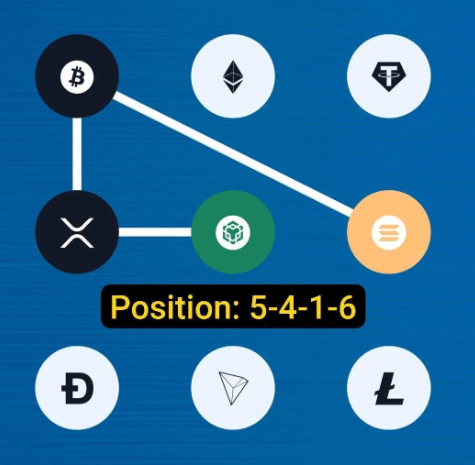 | ||
| 11 June 2026 | Why do projects often introduce new token use cases after launch? | Additional utility can strengthen ecosystem demand. | 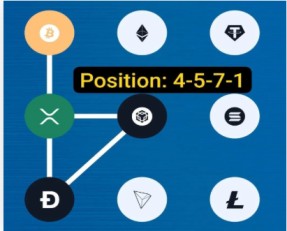 | ||
| 12 June 2026 | Why do some projects grant governance rights to NFT holders instead of token holders? | Membership can be linked to ownership of specific assets. | 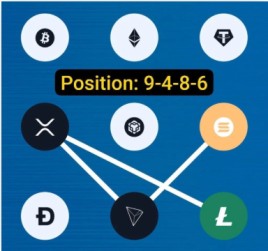 | ||
| 13 June 2026 | Why can a protocol become vulnerable when it relies heavily on external smart contracts? | Problems in connected contracts may affect its operations. | 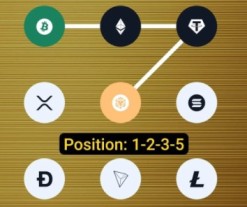 | ||
| 14 June 2026 | Why is digital ownership considered a foundational idea in Web3? | Users can directly control assets without relying on a central platform. | |||
| 15 June 2026 | Why do crypto projects track treasury runway during market downturns? | To estimate how long operations can continue with available funds. | 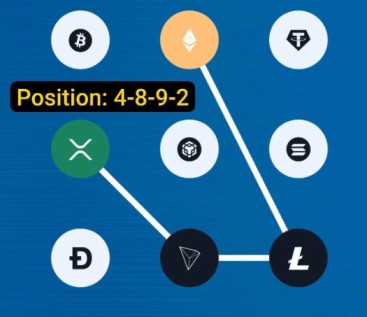 | ||
| 16 June 2026 | Why might a liquidity provider choose a narrow price range in a concentrated liquidity pool? | It can increase fee generation if trading remains within that range. | |||
| 17 June 2026 | Why is permissionless innovation often considered a strength of open blockchain ecosystems? | Developers can build new applications without seeking approval. | |||
| 18 June 2026 | Why do some projects reward long-term token holders differently from short-term traders? | Long-term incentives can encourage ecosystem stability and participation. | 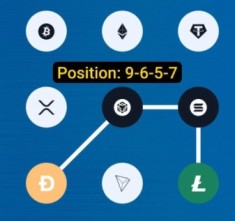 | ||
| 19 June 2026 | Why might a project deliberately limit the size of an NFT collection? | Scarcity can influence demand and community perception. | |||
| 20 June 2026 | Why do transaction fees often rise during periods of heavy blockchain activity? | Users compete for limited block space by offering higher fees. | 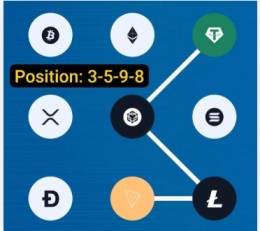 | ||
| 21 June 2026 | Why can community- led growth be more durable than growth driven purely by marketing campaigns? | Engaged users often continue contributing after promotion ends. | 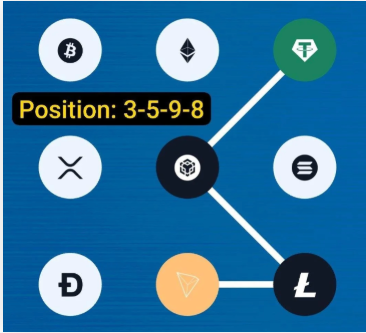 | ||
| 22 June 2026 | Why might some investors hesitate to stake all of their tokens for long periods? | Locked assets may be unavailable during changing market conditions. | |||
| 23 June 2026 | Why should users regularly review wallet approvals granted to decentralized applications? | Existing permissions may remain active long after they are needed. | 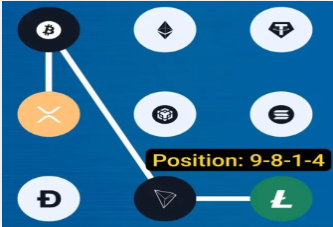 | ||
| 24 June 2026 | Why do many decentralized communities require a quorum before proposals can pass? | To ensure important decisions reflect sufficient participation. | 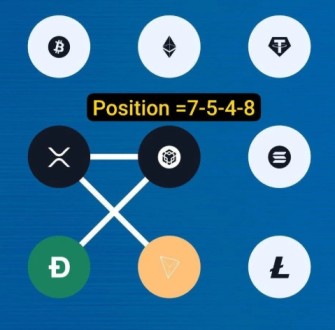 | ||
| 25 June 2026 | Why is account abstraction often viewed as a user-experience improvement? | It allows wallets to support flexible recovery and spending rules. | |||
| 26 June 2026 | Why is broad token distribution often considered beneficial for decentralized ecosystems? | It helps prevent excessive concentration of influence. | 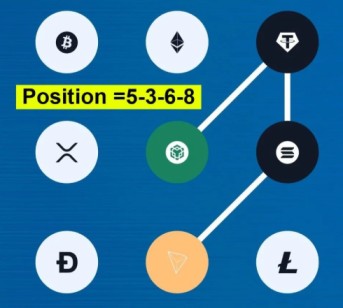 | ||
| 27 June 2026 | Why do traders move liquidity across different blockchain ecosystems? | Opportunities and yields may vary between networks. | 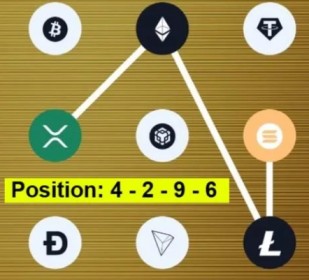 | ||
| 28 June 2026 | Why do some protocols include emergency pause functions in smart contracts? | They allow rapid response when critical vulnerabilities are discovered. | 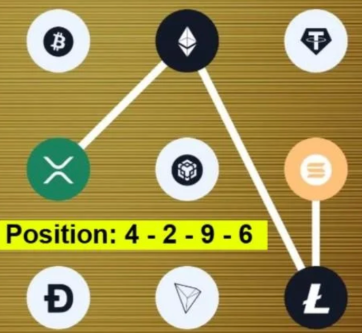 | ||
| 29 June 2026 | Why can setting slippage tolerance too high during a token swap be risky? | The trade may execute at a significantly worse price than expected. | 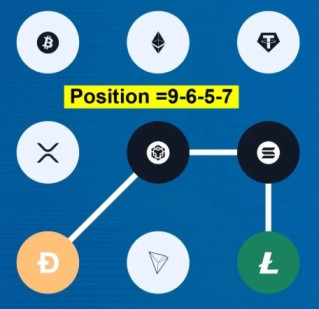 | ||
| 30 June 2026 | Why do some wallets simulate transactions before users approve them? | Simulations can preview potential outcomes and contract interactions. |
Missing one day breaks your streak and costs both the quiz reward and the vault reward. Here is the cleanest daily workflow:
Step 1 — Open the official app on Android or iOS. Download only from official website or your device's official app store.
Step 2 — Navigate to the Daily Quiz section from the app dashboard.
Step 3 — Read the full question and all four answer options before selecting. Never skim quiz text.
Step 4 — Match today's date to this table. Select the confirmed correct answer shown here.
Step 5 — Submit your quiz answer before the daily reset. Reward credits appear in your in-app balance immediately.
Step 6 — Navigate to the Vault section in the same app session without closing the app.
Step 7 — Enter today's confirmed vault code from the table above.
Step 8 — Confirm the vault entry. Your minting progress updates and the vault reward is credited.
Set a daily reminder 30 minutes before the reset. That buffer gives you time to check this page, verify both confirmed entries, and submit without rushing.
One important note: In-app rewards earned through the quiz and vault are currently platform credits inside the app. They are not automatically tradeable on external exchanges. Their real-world utility depends on official token roadmap and any future distribution events. Always check official announcements before treating quiz or vault credits as liquid assets.
What Syntax Verse Quiz Topics Cover in June 2026
The Syntax Verse Daily Quiz rotates through blockchain and Web3 fundamentals designed to build practical knowledge. Based on the May 2026 question pattern, June 2026 topics are expected to include:
- Tokenomics and token distribution — How supply is structured and why concentration risk matters
- DAO governance — Voting, treasury management, and proposal mechanics in decentralised communities
- DeFi protocols — Composability, liquidity, and risk layering between interconnected platforms
- Smart contract design — How self-executing code enforces agreements without intermediaries
- NFT mechanics — Ownership, minting, and marketplace dynamics
- Privacy technologies — Zero-knowledge proofs and data sovereignty in Web3
- Stablecoin design — Reserve backing, algorithmic mechanisms, and peg maintenance
- AI in Web3 — Machine learning applications in blockchain protocols and infrastructure
Understanding why the correct answer is correct — not just what it is — is what separates users who grow real Web3 knowledge from those who click through only for the reward. The explanations in the table will cover both.
Blockchain and Web3 Terms You Will See Syntax Verse Quizzes
Token Distribution — The process of allocating a new cryptocurrency's total supply across investors, team members, the public, and community reserves. Fair distribution ensures no single group holds a dominant share.
SYNTAX Tokenomics — The economic design of a cryptocurrency, covering total supply, distribution schedule, vesting periods, utility, and governance rights.
DAO (Decentralised Autonomous Organisation) — A community-governed organisation that uses smart contracts and token voting to make decisions without central control.
Smart Contract — Self-executing code stored on a blockchain that automatically enforces agreement terms when predefined conditions are met.
DeFi (Decentralised Finance) — Financial services built on blockchain networks without traditional intermediaries, using smart contracts for lending, borrowing, and trading.
Vault Code — A daily code entry task in the app's Vault section, separate from the quiz. Entering the correct code contributes to in-app minting progress.
Minting — In Syntax Verse's context, the in-app process of accumulating progress toward a reward tier through daily quiz completions entries.
Learn-to-Earn (L2E) — A model where users earn in-app or token rewards for completing educational tasks. Syntax Verse's daily quiz is a Learn-to-Earn mechanic combining Web3 education with daily reward distribution.
Seed Phrase — A 12- or 24-word wallet recovery phrase. No legitimate task ever requires your seed phrase. Any request for it is a scam.
Safety Rules Every User Must Know
The quiz answer space attracts scammers who clone answer pages and build phishing bots. These rules are non-negotiable.
Always do this:
- Use only the official app downloaded from syntaxverse.com or your official app store
- Use this page as a reference only — always submit your answer and code inside the official app
- Verify the question date and code date match today before submitting
Never do this:
- Share your seed phrase or private key for any quiz answer, code, or airdrop
- Pay any fee to unlock a guaranteed daily answer or code
- Enter your answer into any website or Telegram bot claiming to be Syntax Verse
No legitimate Syntax Verse daily task ever requires your wallet credentials. Any platform asking for them is a scam.
Expert Outlook: Will Syntax Verse Rewards Matter?
Learn-to-earn platforms built around daily quiz mechanics have demonstrated real staying power through 2025 and into 2026. The format creates a daily habit loop — one question, one code, one combined reward — that compounds over time into meaningful in-app accumulation and genuine Web3 knowledge.
Syntax Verse project occupies a specific position in this space because it is a native mobile app, not a Telegram bot. That distinction opens a search and user base that Telegram-native competitors cannot access — users who prefer app-store discovery, push notifications, and a mobile-first interface.
The quiz topics Syntax Verse chooses reflect genuine educational ambition. A user who completes all 30 days of June 2026 quizzes leaves the month with a meaningfully stronger understanding of how Web3 projects are designed and evaluated.
The model works best when the underlying token has real on-chain utility and a transparent distribution plan. That variable depends on Syntax Verse's official announcements — no external observer can predict it. What is certain: completing the Daily Quiz every day costs nothing and delivers two things regardless of token outcome — accumulated in-app credits and practical Web3 knowledge that applies across every project in the ecosystem.
Conclusion
The Syntax Verse Daily Quiz Answer and the daily vault code are two separate tasks standing between you and your full day's reward. Both reset daily. Both require independent action. This page tracks every confirmed answer, explains the Web3 concepts behind each question, and updates within 2 hours of every daily reset.
Come back every day. Match today's question to the table. Enter the code in the official app. Protect your streak. Thirty questions. Thirty vault codes. The knowledge you build is yours to keep regardless of what the token does next.
Important Disclaimer — YMYL Financial & Crypto Content
This article is published by CoinGabbar for informational and educational purposes only. It does not constitute financial advice, investment advice, trading advice, or any promise of earnings. CoinGabbar is an independent crypto media platform and is not affiliated with, endorsed by, or officially partnered with them unless explicitly stated.
The Syntax Verse daily quiz answers and codes published on this page are sourced from the official mobile app and verified by the CoinGabbar editorial team. Quiz questions, correct answers, code formats, and app mechanics may change without notice. Always verify the active task inside the official app before submitting any answer or entering any code.
In-app rewards, minting progress, and any digital assets associated with task completion are platform features only. They do not constitute financial instruments and carry no guaranteed monetary value, exchangeability, or market liquidity unless explicitly stated in Verse's official token documentation. CoinGabbar makes no representation regarding the future value or utility of any reward or token.
Never share your seed phrase, private key, recovery phrase, or app account credentials for any quiz or code task. CoinGabbar is not responsible for any loss of funds, assets, or data arising from information published on this page. Check the latest Syntax verse news here.






