XRP Remains Relevant for the Future, Driven by Cross-Border Payments

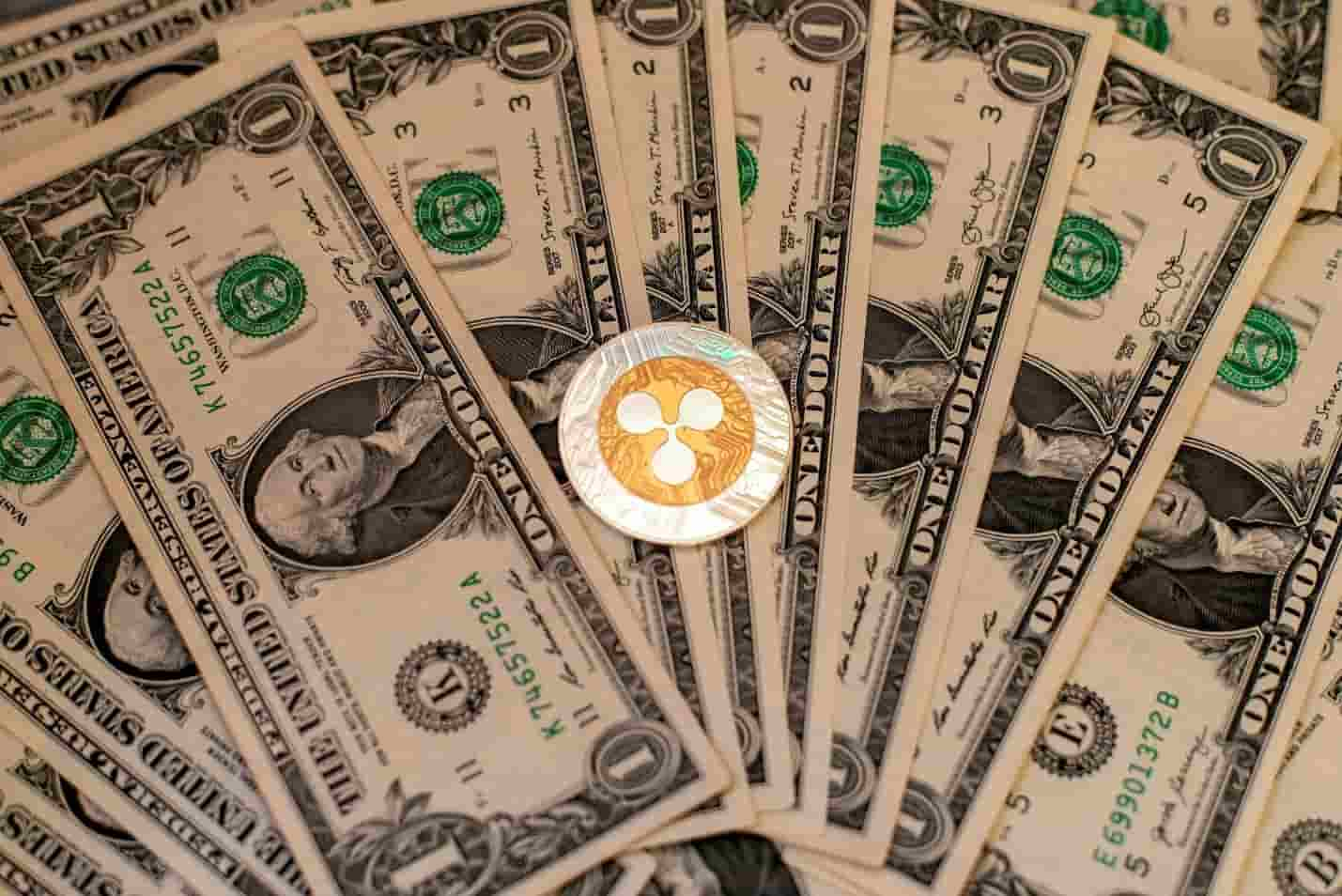
XRP remains closely linked with the global payments sector because it was designed to move value quickly across borders. While the crypto market has changed a lot, cross-border payments remain one of XRP's best-known use cases. The XRP Ledger can process transactions within seconds, which makes it useful for payment flows where speed, liquidity, and low transaction costs matter.
XRP is the native digital asset of the XRP Ledger (XRPL). Ripple, the financial technology company closely associated with XRP, has built payment products that can use digital assets, stablecoins, and fiat currencies to support international transfers. XRP can serve as a bridge asset between currencies, helping payment providers move value without keeping large amounts of money pre-funded in every destination market.
XRP is also widely traded as a crypto asset. Users interested in obtaining the asset can find exchange-specific information on how to buy XRP. However, XRP's payment utility should not be treated as proof that its market price will rise. Crypto prices remain highly volatile and can move independently of real-world network use.
Readers can also follow the latest XRP news for updates on Ripple, XRPL development, partnerships, market activity, and changes affecting the wider XRP ecosystem.
Why Does XRP Matter for Cross-Border Payments?
Traditional cross-border payments can involve several banks, payment networks, currency conversions, and settlement systems. Depending on the payment route, this can increase processing time, costs, and the amount of capital that financial institutions need to hold in foreign accounts.
XRP takes a different approach. The XRP Ledger was designed for fast value transfer, and transactions normally settle within about three to five seconds. XRPL documentation also lists throughput of around 1,500 transactions per second. These features make the network suitable for payment and settlement applications that require fast transaction confirmation.
However, it is important to separate the XRP Ledger from Ripple. XRPL is an open-source blockchain, while Ripple is a private company that develops financial infrastructure and payment products. XRP is the native digital asset used on XRPL.
Ripple's payment infrastructure can use XRP as a bridge asset in some payment flows. Readers who want a deeper explanation can explore how XRP enables cross-border payments through liquidity-based settlement.
How Does XRP Work as a Bridge Asset?
One of XRP's main payment use cases is acting as a bridge between two different currencies. This can be useful when there is limited direct liquidity between the sender's currency and the recipient's currency.
In an XRP-based payment flow, the sender's currency can be converted into XRP. The XRP is then transferred across the XRP Ledger before being converted into the destination currency. The digital asset therefore acts as an intermediate asset rather than requiring both parties to hold XRP for a long period.
This model has historically been associated with Ripple's On-Demand Liquidity, or ODL, product. ODL was designed to source liquidity when a payment is made instead of requiring payment providers to keep large balances pre-funded in foreign markets.
For a step-by-step explanation of this process, CoinGabbar's Ripple XRP ODL guide explains how liquidity, conversion, transfer, and final settlement can work within an XRP-based payment flow.
Why Can XRP Be Useful for International Transfers?
Speed is one of XRP's main technical advantages. XRP Ledger transactions generally reach settlement within seconds rather than requiring the longer settlement periods that can occur with some traditional international payment routes.
Transaction costs on XRPL are also designed to remain low. This can make the network useful for different payment sizes, although the final cost of a cross-border transfer depends on more than the blockchain fee. Currency conversion, exchanges, payment providers, local banking systems, and compliance requirements can all affect the total cost.
Another potential advantage is liquidity. A bridge asset can help connect currencies that do not have an efficient direct trading pair. Instead of maintaining separate pools of capital for every payment corridor, a payment provider may be able to source liquidity when it needs to complete a transaction.
This does not mean XRP automatically makes every international payment cheaper. The benefits depend on available liquidity, the countries involved, local regulations, exchange spreads, payment providers, and the infrastructure being used.
XRP, Ripple Payments and RippleNet Are Not the Same
A common mistake is to use the terms XRP, Ripple, RippleNet, and XRP Ledger as if they describe the same system. They are related, but they are different.
XRP is the native digital asset of the XRP Ledger. XRPL is the blockchain network on which XRP operates. Ripple is a technology company that develops payment and digital asset infrastructure. RippleNet was used as a name for Ripple's network and payment infrastructure, while Ripple now markets its broader enterprise payment offering under Ripple Payments.
This distinction also matters when discussing bank adoption. A financial institution using Ripple technology should not automatically be described as a bank using XRP. Some Ripple payment flows can use XRP, while others may involve fiat currencies, stablecoins, or other digital assets.
Our Ripple vs SWIFT comparison provides more context on how Ripple's payment infrastructure differs from traditional international banking and messaging systems.
How Financial Firms Have Used XRP for Payments
Institutional payment use is an important part of XRP's history, but adoption claims need to be treated carefully. A partnership with Ripple does not by itself prove that an institution is using XRP.
SBI Remit provides a clearer example. Ripple has previously documented the use of its On-Demand Liquidity technology and XRP for remittance flows involving Japan and the Philippines. In this model, XRP can provide temporary liquidity between currencies during the transaction.
This is different from saying that every Ripple customer uses XRP. Financial institutions can use different Ripple services, and Ripple's current payments infrastructure supports several types of assets and settlement methods.
XRP Now Operates Alongside Stablecoins
The cross-border payment market has changed significantly as stablecoins have become more widely used. This means XRP is no longer the only digital asset relevant to Ripple's payment strategy.
Ripple Payments can support digital assets and stablecoins, including Ripple USD (RLUSD), depending on the payment route and product. A stablecoin can be useful when businesses want blockchain settlement while keeping the transferred asset linked to the value of a fiat currency.
XRP has a different role. Its market value is not fixed to a national currency, and it can function as a neutral bridge asset between different currencies or digital assets. This can be useful in payment corridors where direct liquidity is limited.
As a result, XRP and stablecoins should not always be viewed as direct replacements for each other. Different payment routes may benefit from different settlement assets.
How Does XRP Compare With Traditional Cross-Border Payments?
Traditional international transfers often rely on correspondent banking relationships. A payment may pass through several institutions before reaching the final recipient. This system has supported global finance for decades, but it can create extra steps, fees, reconciliation requirements, and settlement delays.
Blockchain-based payment systems offer another way to transfer value. XRP can move directly over the XRP Ledger, with settlement generally completed within seconds. Ripple's enterprise infrastructure can then connect digital asset settlement with fiat currencies and local payment rails.
However, blockchain settlement does not remove every part of the traditional financial system. Payment providers still need to follow local regulations, identity checks, anti-money laundering requirements, currency rules, and banking requirements.
Therefore, XRP is better understood as one tool for improving certain parts of cross-border settlement rather than as a complete replacement for the global banking system.
What Are the Other Uses of XRP and XRPL?
Cross-border settlement is not the only use of the XRP ecosystem. The XRP Ledger also provides infrastructure for trading, token issuance, liquidity, decentralized exchange functions, tokenized assets, and NFTs.
The network includes a built-in decentralized exchange and supports issued assets. This allows developers and financial organizations to create and exchange different types of digital assets on XRPL.
The ecosystem continues to add tools aimed at institutional finance, tokenization, and regulated digital asset markets. Readers can learn more about these functions in CoinGabbar's XRP utility and risk guide.
Recent XRPL developments have also focused on infrastructure designed for regulated institutions and tokenized financial assets. More information about one such upgrade is available through this report on how XRP comes with plenty of other applications.
What Are the Limits and Risks of XRP Payments?
XRP has technical features that can support international settlement, but these advantages do not remove every risk or limitation.
Liquidity is important. A bridge asset needs enough buyers and sellers in the relevant markets for conversions to happen efficiently. Poor liquidity can increase spreads and reduce some of the cost advantages of using a digital bridge asset.
Regulation also differs across countries. Rules covering crypto assets, payment companies, stablecoins, exchanges, and financial institutions can affect where and how XRP-based services are available.
Price volatility is another factor. XRP is not a stablecoin, so its market value can change. Payment systems using it as a bridge asset are designed to minimize the amount of time the asset is held during settlement, but market risk cannot be considered zero.
Most importantly, XRP's utility should be separated from its investment performance. A blockchain network can gain users or payment applications without guaranteeing that its native asset will increase in price. Investors should review both the utility and risks before making financial decisions.
Can XRP Remain Relevant in the Future?
XRP continues to have a clear technical role within the XRP Ledger and can be used as a bridge asset for cross-border payments. Fast settlement, low network fees, liquidity functions, and XRPL's broader financial infrastructure help explain why XRP remains part of discussions about blockchain-based international payments.
At the same time, the payment market is becoming more diverse. Stablecoins, tokenized bank deposits, real-time payment networks, central bank initiatives, and traditional payment providers are all competing to make international transfers faster and more efficient.
XRP's future relevance will therefore depend on real usage, available liquidity, institutional adoption, regulatory conditions, XRPL development, and its ability to operate alongside other forms of digital money.
Conclusion
XRP remains relevant to the cross-border payment sector because it was designed for fast, low-cost value transfers and can act as a bridge between currencies. The XRP Ledger generally settles transactions within seconds, while Ripple has built enterprise payment infrastructure that can use XRP and other digital assets in international payment flows.
However, Ripple adoption and XRP adoption should not be treated as the same thing. Not every company using Ripple technology necessarily uses XRP. Stablecoins such as RLUSD are also becoming part of Ripple's wider payment infrastructure.
The stronger long-term case for XRP therefore comes from measurable network utility, liquidity, payment use cases, and continued XRPL development rather than assumptions about future price growth.
Disclaimer
This article is for general information and educational purposes only. It does not provide financial, investment, trading, legal, or tax advice. XRP and other cryptocurrencies are highly volatile and can result in significant financial losses. References to payment utility, institutional adoption, technology development, or historical use do not guarantee future adoption or price performance. Always verify current information from official sources and conduct your own research before making any crypto-related financial decision.
Also read: