The Right Way to Make a Dogecoin Wallet Transfer in 2026

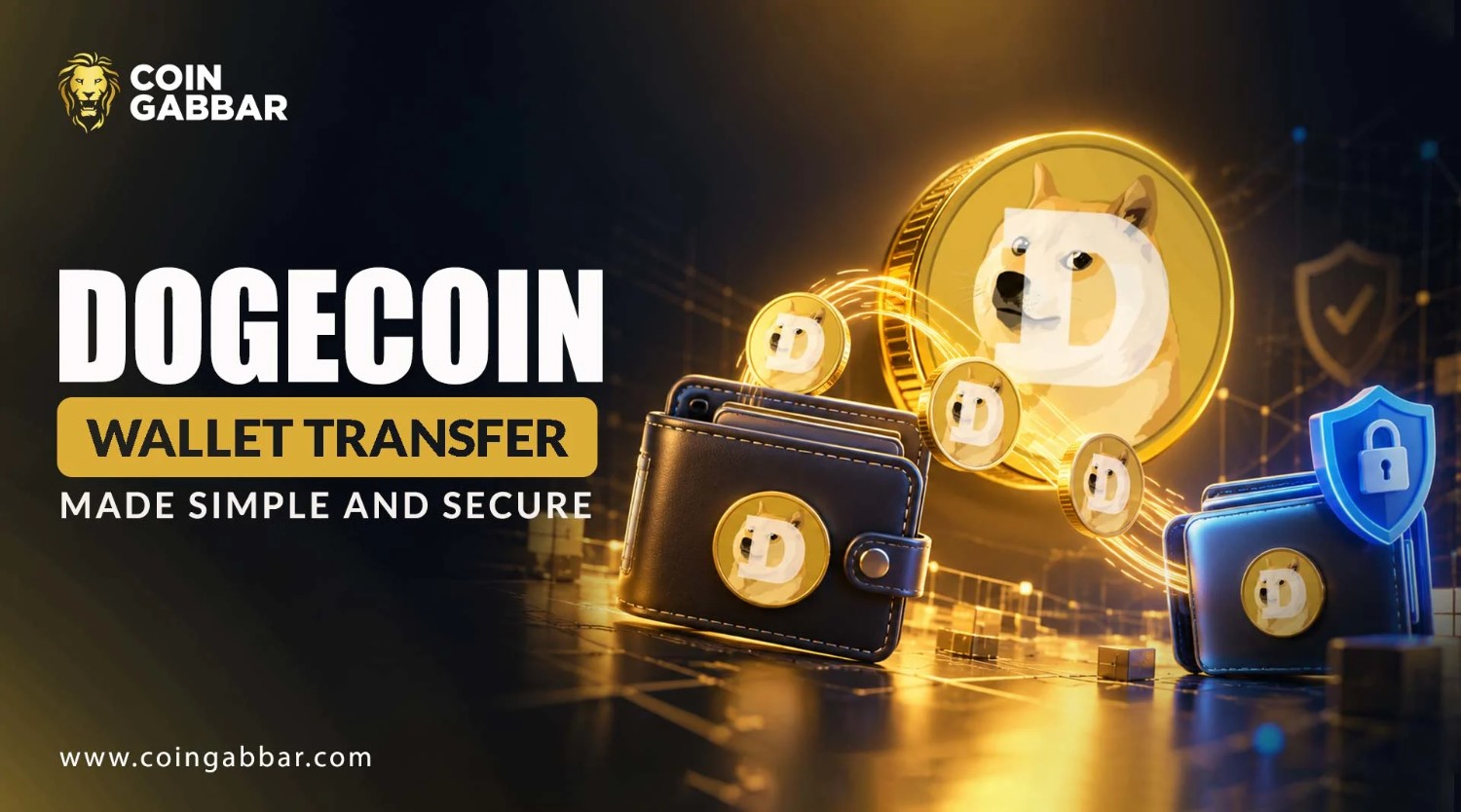
Dogecoin Wallet Transfer: What Really Happens When DOGE Moves?
A dogecoin wallet transfer seems like a quick tap on a phone screen, yet one wrong character in an address can send DOGE to a place nobody can reach. Readers searching this topic want a clear way to move coins without losing them. This guide covers the process, fees, security checks and common errors, based on official Dogecoin documentation and wallet safety guidance reviewed on 9 October 2026.
Dogecoin is a proof-of-work cryptocurrency that started in December 2013 as a joke built around a popular dog meme. Transfers are final once confirmed. Nobody can reverse a confirmed payment, so preparation matters far more than speed.
What Is a Dogecoin Wallet Transfer and How Does It Work?
A dogecoin wallet is software or hardware that stores private keys, the secret numbers that give spending access. Coins never sit inside the app. They stay on the blockchain, and the wallet only proves ownership.
A transfer broadcasts a signed message moving DOGE from one address to another. Miners add it to a block, and Dogecoin produces one roughly every minute. Dogecoin mining is the process where computers compete to confirm transactions and secure the network, which explains why confirmations arrive quickly.
Official documentation describes an address as a unique destination on the blockchain, often shown as a QR code. Standard addresses typically begin with the letter D.
Step-by-Step Process to Complete a Dogecoin Wallet Transfer
Here’s the thing: the order of the steps matters more than the wallet brand. A careful transfer follows the same pattern everywhere.
Open the receiving wallet, choose Receive, then copy the address or scan the QR code.
Open the sending wallet, choose Send and paste the address instead of typing it.
Compare the first and last four characters with the original, because some malware silently swaps copied addresses.
Confirm the selected network is Dogecoin, since a wrong network can mean lost funds.
Send a small test amount first.
Enter the full amount, review the fee and confirm.
Wait for confirmations, then verify the balance in the receiving wallet.
Skipping the test step can cost everything.
Network Fees and Confirmation Time for Dogecoin Transfers
Official Dogecoin documentation says fees are extremely low compared with other cryptocurrencies, and transactions confirm much faster. That page doesn’t publish exact amounts, so fixed figures are avoided here. The sending wallet deducts the fee and displays it before final confirmation.
Turns out, low fees change user behavior. A test transfer costs almost nothing, which removes the usual excuse for skipping it. But cheap doesn’t mean risk-free.
Security Checks Before Starting a Dogecoin Wallet Transfer
Whoever holds the private keys or seed phrase controls the coins. A seed phrase is a list of 12 or 24 words that can rebuild every key in a wallet. Official backup guidance says to store it in several offline places and never share it with anyone untrusted.
Dogecoin Core users can create a backup through File, then Backup Wallet, which produces a wallet.dat file. That file contains the keys, so anyone holding it can spend the coins. Encrypting the wallet adds protection, though a lost password means lost access.
Older wallets created before version 1.10 use randomly generated keys. Basically, a fresh backup is needed after every new address or spend. An HD icon in the lower right corner of Dogecoin Core shows whether a wallet uses the newer format.
Best Wallet Types for a Safe Dogecoin Wallet Transfer
Each option trades convenience against control. Here’s how the main types compare.
Wallet type | Who holds the keys | Best for | Main risk |
Desktop (Dogecoin Core) | User | Full control and verification | Large download, file loss |
Mobile self-custody | User | Daily use, QR scanning | Phone theft, malware |
Hardware | User, offline | Long-term storage | Cost, lost recovery words |
Exchange account | Platform | Buying and selling | Platform failure, withdrawal limits |
Official guidance suggests hardware wallets for safe storage with convenient access. Mobile wallets advertising self-custody say only the user holds the keys, though user counts on such pages are marketing claims, not verified facts.
Dogecoin Wallet Transfer From an Exchange to a Personal Wallet
Withdrawals follow the same logic. Select DOGE, choose the Dogecoin network, paste the personal wallet address and check the withdrawal fee, which the exchange sets. Two-factor authentication is common.
Common Mistakes and What to Do When a Transfer Stays Pending
Typing an address by hand instead of pasting it.
Choosing a different network from the one the receiving wallet uses.
Sharing a seed phrase with a support agent who made first contact.
Treating a transfer as complete before any confirmation.
A pending transfer is rarely a lost transfer. Check the transaction ID in a blockchain explorer. Watch for confirmations. Wait calmly. Resending too early can double the problem, so patience comes before any second attempt.
What Does the Data Say About Dogecoin Risk and Market Context?
Dogecoin history explains much of its appeal. It began as satire, gained a loyal community and later added merged mining with Litecoin. Dogecoin use cases remain mostly tipping, small payments and community fundraising.
There’s no dogecoin halving. Official protocol rules fix the block reward at 10,000 DOGE, so new supply keeps arriving at about 5 billion coins a year and no hard cap exists. That’s a real difference from Bitcoin.
What about the dogecoin price? Moves tend to follow social attention, and dogecoin news today can shift sentiment within hours. Quoted figures go stale quickly, so a live market page and headline dates deserve a check.
The stronger signal here is operational, not financial. Dogecoin investment risk includes sharp price swings, but transfer errors are the loss readers can fully control. At first the price question seemed the bigger story, but the data points the other way. A careless transfer costs more than a bad day on the chart.
Conclusion
A safe transfer comes down to a short routine: back up first, match the network, paste the address, verify its edges, send a test amount and wait for confirmations. Fees stay low and blocks arrive about every minute, so the process rewards care rather than speed.
What remains uncertain is the market side, which no wallet checklist can predict. Official Dogecoin documentation is the place to confirm details before moving funds.
Disclaimer
This article is for information only and isn’t financial, investment or legal advice. Cryptocurrency is volatile, transfers are irreversible and losses can be total. Readers should research independently and consult a licensed professional before acting.









.webp)




