
Black Friday arrived on Friday, 27 November 2026, and fake stores are moving as fast as real ones. This guide explains how to spot crypto shopping scams before any money leaves a wallet. A broader crypto scams security guide covers the wider background.
What Is the Fastest Way to Spot a Crypto Shopping Scam?
Before paying, check three things: the website address, who the seller is, and what the checkout asks for. That is the core of how to spot crypto shopping scams. Fake stores usually copy a known brand, run a countdown timer, and push crypto as the only option. Treat that last demand as a warning.
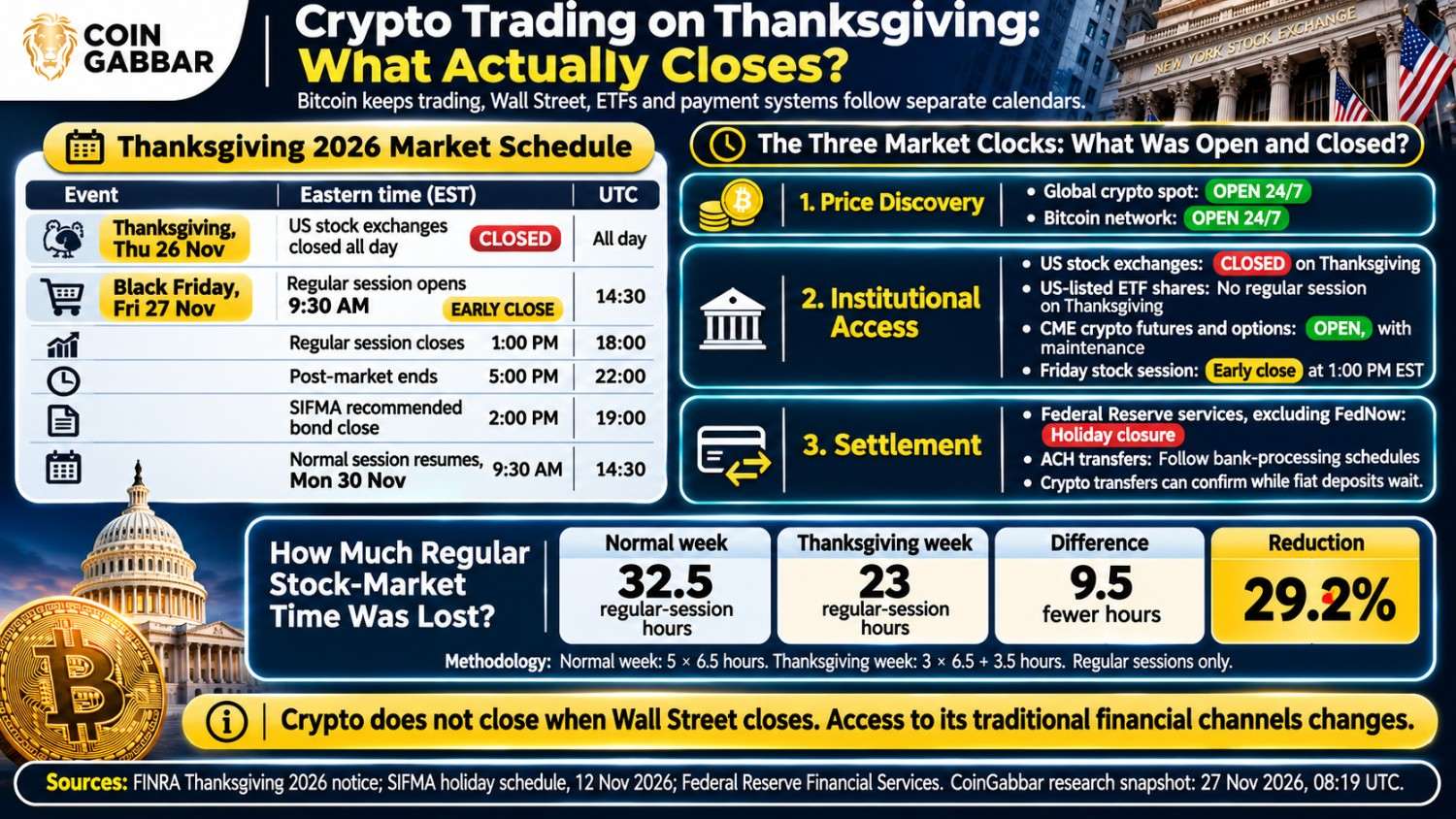
The calendar matters here. Black Friday falls on Friday, 27 November 2026. Small Business Saturday comes next, on Saturday, 28 November 2026, and then Cyber Monday on Monday, 30 November 2026.
Each retailer picks its own start and end times, so there is no single sale hour. If a page quotes one universal deadline, be wary.
Why Do Fake Stores Surge Around Black Friday and Cyber Monday?
Security firm CloudSEK published its investigation on Monday, 23 November 2026. Here it describes 4,660 domains hosted under a single fake-shop platform that has averaged 91 new instances each day. It also lists 3,415 domains observed in public scan data from Wednesday 14 October 2026 to Sunday 22 November 2026.
One storefront, labeled Shoes-7, showed up across 75 domains. Keep in mind that these numbers count domains only. They say nothing about victims, losses, or which stores accept crypto. Even so, the scale is why learning how to spot crypto shopping scams has become a seasonal habit. A padlock icon and polished product photos do not prove a seller is real.
How to Spot Crypto Shopping Scams in Five Steps
These five steps take about five minutes and reduce risk without removing it.
Check the address: Read the full web address for extra hyphens, odd endings, and swapped letters. The ICANN lookup tool shows a creation date where disclosed. A new domain is a warning sign, not proof.
Check the seller: Search the company name plus "scam" or "complaint" and read independent reviews. A real address and a return policy should exist.
Compare the offer: A price well below the market norm needs an explanation. A countdown timer is a reason to slow down.
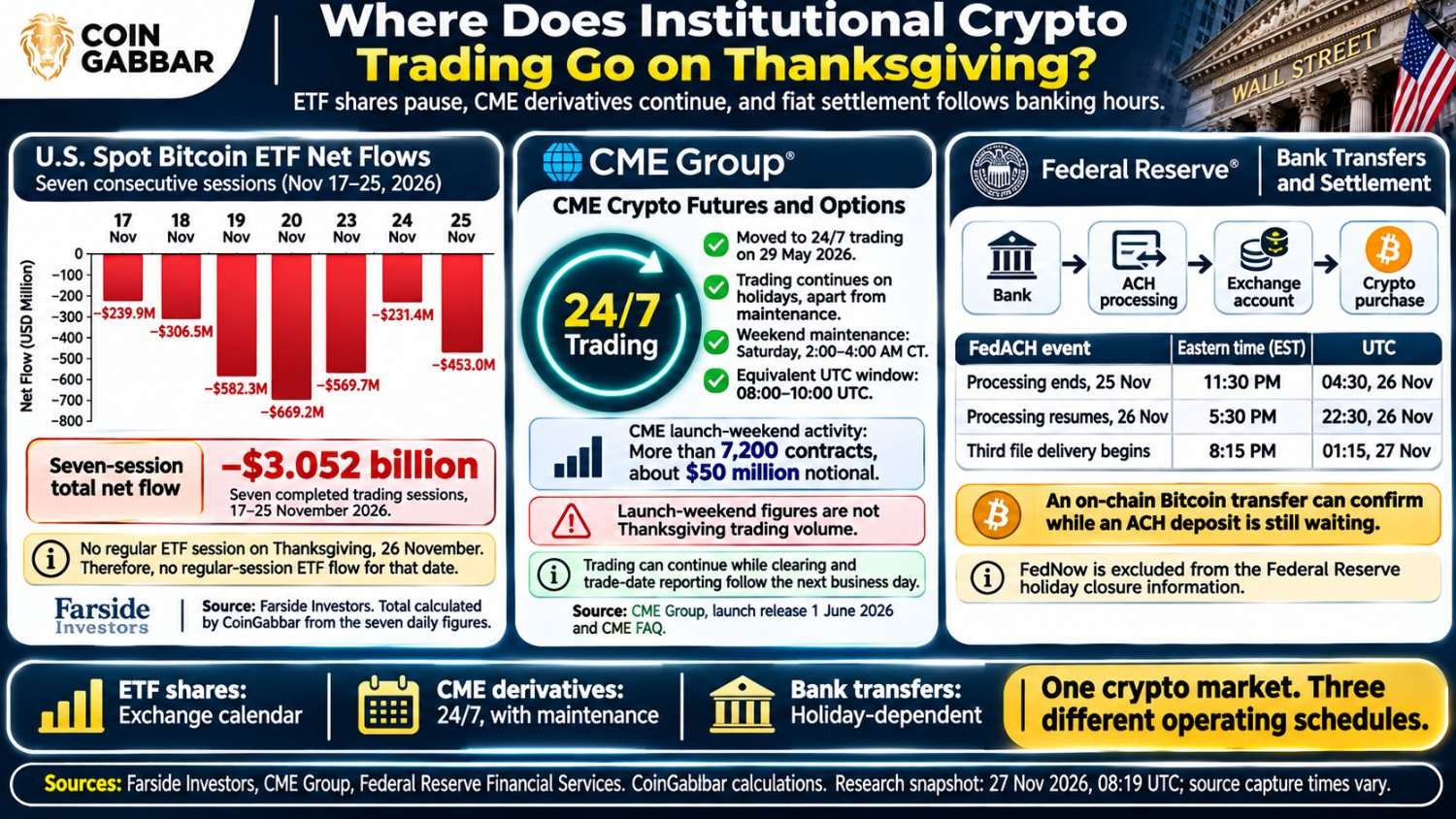
Check the payment method: The FTC alert of Wednesday, 25 November 2026, says scammers prefer crypto because the money is almost impossible to recover. A card usually offers stronger dispute options.
Check each wallet prompt: A shop has no need for a recovery phrase. A spending approval should match the purchase.
Which Crypto Shopping Scams Are Most Common This Season?
Knowing how to spot crypto shopping scams also means knowing the usual patterns.
Fake stores copy a retailer's logo, photos and layout, then register a lookalike address. Paid search ads can lead to the same pages. The FTC alert of 25 November 2026 advises scrolling past sponsored results to the organic listings.
Crypto-only demands form a third pattern. Accepting crypto does not make a store fake. Insisting on it as the only option is the warning sign.
What Did the Fake Coinbase Giveaway Show About QR Code Scams?
On Tuesday, 17 November 2026, Coinbase described a fake YouTube livestream that used a deepfake of Elon Musk. It drew more than 500,000 viewers and showed wallet addresses and a QR code that promised to double any crypto sent.
Hundreds of Coinbase customers tried to send funds within about two hours. Coinbase said its systems blocked about $4.7 million, around 91% of the attempted amount.
That implies roughly $5.2 million attempted and about $0.46 million that still left accounts. This is a CoinGabbar estimate from rounded company figures. The case was a giveaway scam, not a shop, yet the lesson on how to spot crypto shopping scams carry over: a promise to double money is not a payment request.
What Is the Difference Between Connecting and Approving a Wallet?
Reading wallet prompts is another part of how to spot crypto shopping scams. Connecting a wallet lets a site see a public address. Approving tokens is a separate action that lets a smart contract spend a token. MetaMask's guide on token approvals treats the two as different processes.
Disconnecting a site stops it from seeing the wallet, but it does not cancel an existing allowance. Revoking an allowance needs an on-chain transaction and a gas fee. Unlimited approvals carry the most risk, since a bad contract can then spend the approved token.
A shopper who approved spending should review the allowance in a trusted wallet tool.
What Should a Shopper Do After Paying a Scammer?
Anyone who missed the signs on how to spot crypto shopping scams can still limit the damage. Speed helps, and records help more.
Stop sending money, including fees for delivery, taxes, or withdrawal.
Save the website address, screenshots, order emails, transaction hash, recipient address, coin, network, amount, and the exact date and time.
Contact the exchange or wallet service and share the hash.
Report the case. In the United States, use the FBI Internet Crime Complaint Center and ReportFraud at the FTC.
Ignore offers to recover the funds for an upfront fee. The FBI warns that recovery offers can be scams.
Expert Opinion: What Should Shoppers Take Away?
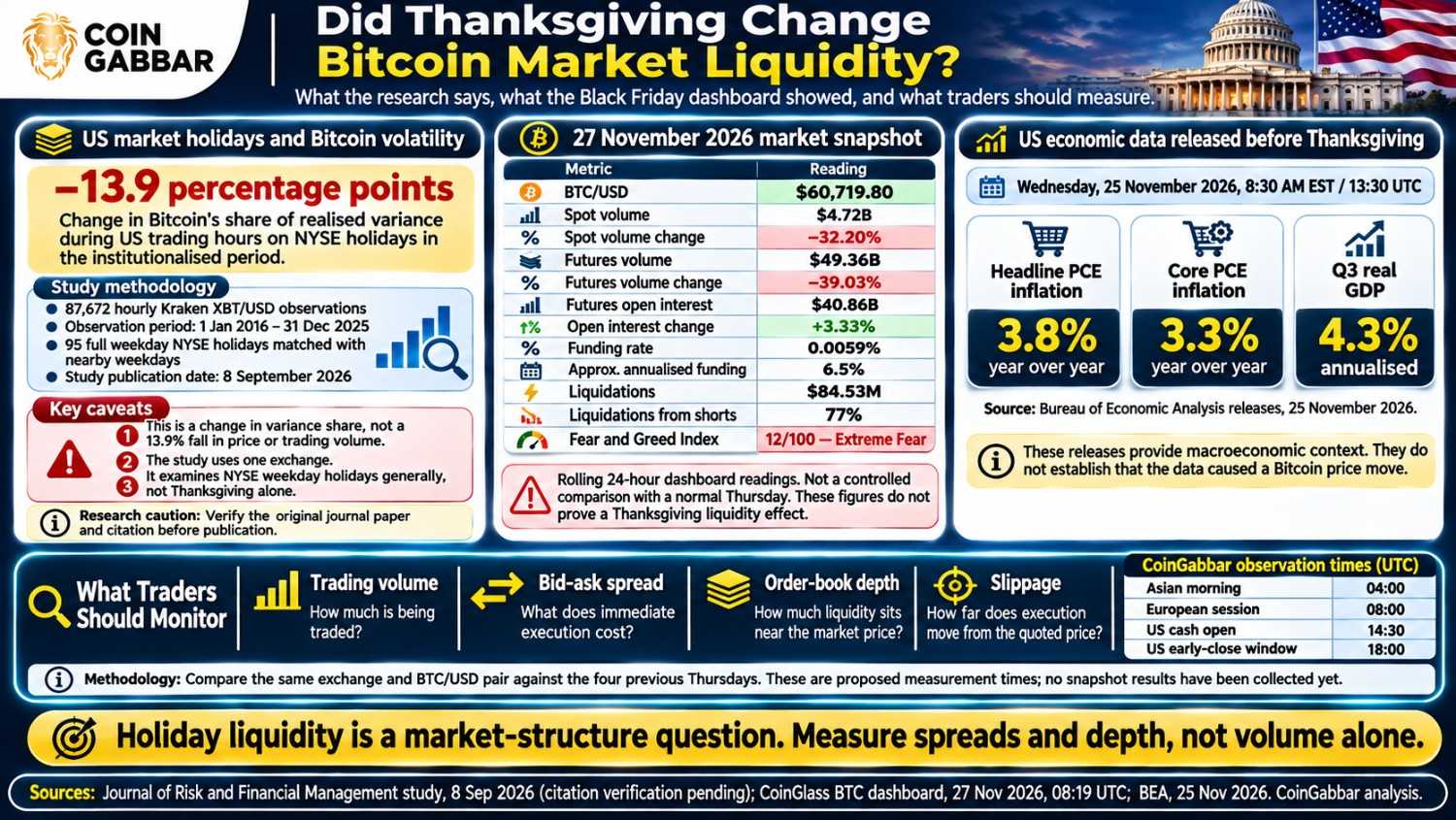
CoinGabbar analysis suggests order matters more than speed: verify the seller and the payment route before any wallet prompt appears. The CloudSEK count shows how cheaply fake stores multiply, and the Coinbase case shows how fast a convincing video can move money.
The method is simple. It uses CloudSEK's report of 23 November 2026, the FTC alert of 25 November 2026, Coinbase's account of 17 November 2026, and MetaMask's published guidance. Before Cyber Monday on Monday, 30 November 2026, a shopper can reuse the five steps above.
Disclaimer: It is not investment, legal, or financial advice. Transferring crypto is irreversible and can result in loss. No protections are guaranteed, and numbers and warnings may change after publication. Updated Nov. 27, 11:00 am UTC Friday 2026.
Frequently Asked Questions (FAQ)




Owned by:-
DCG Tech FZCO, UAE
Delivery Partner:-
Gabbar MediaTech Pvt Ltd.
Copyright © 2026 Coin Gabbar. All Rights Reserved