Polkadot NFT Ecosystem: What Most Beginners Miss

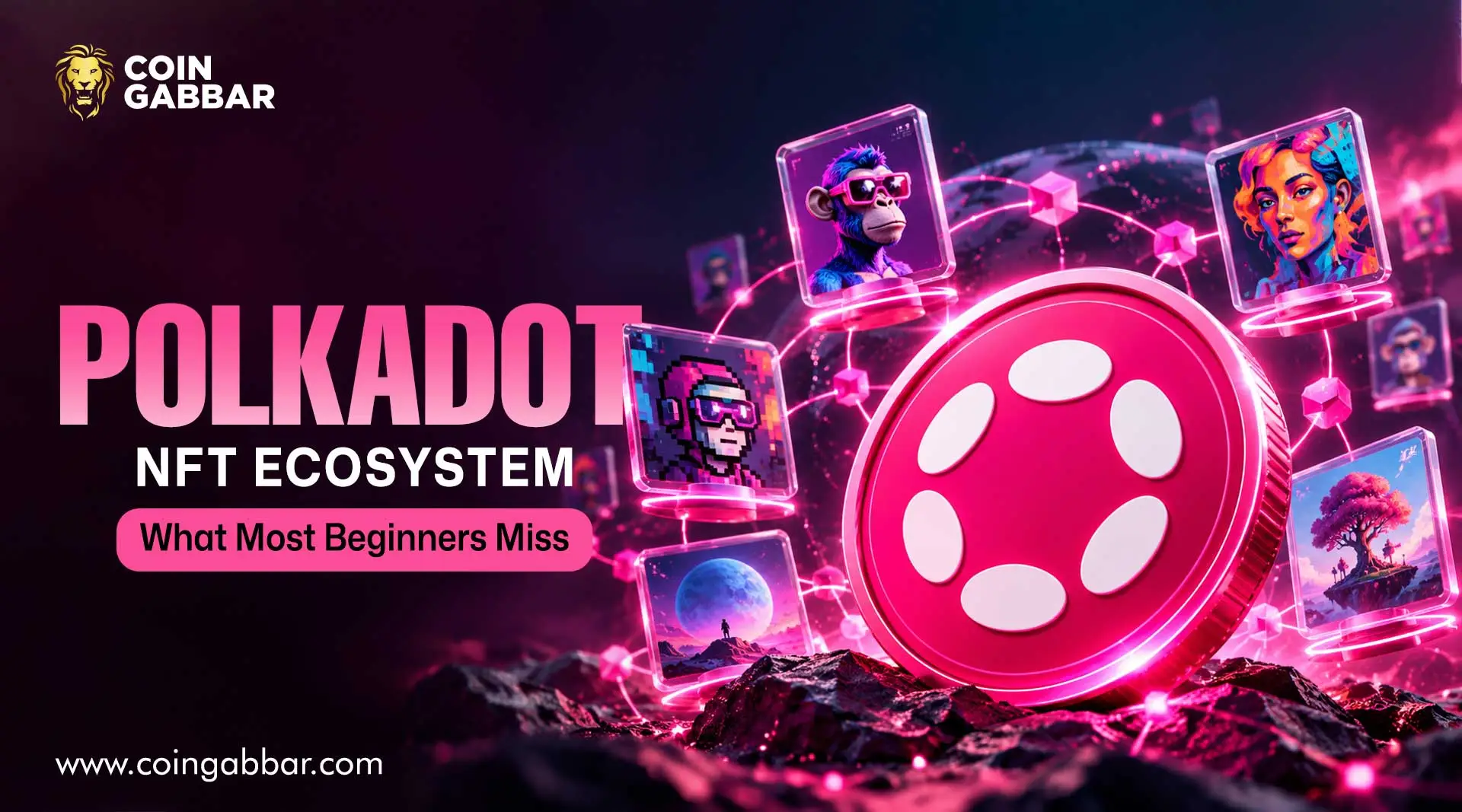
Polkadot NFT Ecosystem Explained: Digital Assets on DOT
Ask someone about NFTs and Ethereum is usually the first name that comes up. Polkadot has quietly built something different. Instead of putting everything on one busy chain, the Polkadot ecosystem is spread across several connected networks, and each one handles a slightly different kind of work.
The Polkadot NFT ecosystem is a mix of chains, tools, and marketplaces where people create and trade NFTs. Asset Hub supports NFTs natively and also runs smart contracts. Parachains like Unique Network and Moonbeam add more specialized options. DOT covers the deposits and fees along the way.
What Is the Polkadot NFT Ecosystem?
An NFT is a unique digital token that records ownership of an item, such as art or a game asset.
On Polkadot, that record can live on different chains. A parachain is simply an independent blockchain connected to the wider network.
Status labels used below:
Live: described in official documentation
In development: announced or marked as preview
Planned: stated as a future goal
The Polkadot Wiki NFT project list is community maintained, so it works best as a starting map.
Native Pallets vs Smart Contracts
The Polkadot NFT ecosystem supports two main ways to build NFTs.
Native pallets: a pallet is a built-in module of a chain's runtime, so NFT logic runs inside the chain itself
Smart contracts: programs deployed by developers, often written in Solidity
Pallets keep common actions consistent, while contracts give builders more freedom. The NFT pallets guide explains collections, roles, and metadata. For the contract side, see this overview of Polkadot smart contracts.
Asset Hub: Native NFTs and More
Within the Polkadot NFT ecosystem, Asset Hub is a Polkadot system chain that manages digital assets.
It hosts the NFTs pallet, and the older Uniques pallet is deprecated, so new projects are pointed to the newer one.
Current Polkadot documentation also describes smart contract support on Asset Hub through PolkaVM and the revive pallet, including native EVM contracts. Some tooling is still labeled "preview," so builders should check the latest pages.
Live: NFT collections, metadata, transfers, and burning through the NFTs pallet
Live per docs, partly preview: smart contracts on Asset Hub
Other Chains in the Polkadot NFT Ecosystem
Unique Network: an NFT-focused parachain describing dynamic, nested, fractionalized, and composable NFTs. "Composable" means one NFT can connect to others
Moonbeam: an EVM-compatible chain, so Ethereum-style NFT contracts can run there
Astar: a smart contract platform with NFT tools
Mythos Chain: a gaming chain that uses the NFTs pallet, as listed by Polkadot's guide
These descriptions come from each project's own materials and haven't been tested independently.
KodaDot: A Marketplace, Not a Chain
KodaDot is an open-source NFT marketplace in the Polkadot NFT ecosystem. Its official site lets users mint and browse NFTs across the Polkadot and Kusama Asset Hubs and several other networks.
A marketplace is only a front door. The NFT itself still lives on a specific chain, so buyers should confirm which one.
Comparing the Main Options
Option | Type | Developer model | Typical use |
Asset Hub | System chain | Native pallets and contracts | Standard NFTs |
Unique Network | NFT chain | NFT-focused features | Advanced NFTs |
Moonbeam | EVM parachain | Solidity contracts | Ethereum-style apps |
Mythos Chain | Gaming chain | NFTs pallet | Game assets |
Metadata and Cross-Chain Limits
Ownership and media are not the same thing. The chain records who owns a token, but images and descriptions often sit off-chain, for example, on IPFS.
If that file disappears, the token can remain while the artwork is gone.
Cross-chain messaging also has limits. Polkadot can pass messages between chains, yet that doesn't make every NFT compatible with every network. Links to outside blockchains add another layer, and this guide to Polkadot bridges explains how they connect.
What DOT Pays For
DOT is Polkadot's native token, and it powers activity across the Polkadot NFT ecosystem. Two costs are worth separating:
Deposits: amounts reserved, for example, when creating an asset or collection
Fees: payments for processing transactions
Requirements vary by chain and action, so users should read the wallet's confirmation screen.
Holding DOT doesn't give ownership of any NFT, and more activity doesn't guarantee a higher DOT price. Network security comes from validators, which the Polkadot validator guide covers in detail.
Risks and Limitations
Like any NFT market, the Polkadot NFT ecosystem carries real risk.
Prices can collapse, and many NFTs have little resale demand
Fake collections and copycat mints exist
Off-chain files can vanish
Features differ by chain and can change
Wallet mistakes can cause permanent loss
Before buying, readers should check the creator, the chain, and the metadata source, then test with a small amount.
Conclusion
The Polkadot NFT ecosystem gives builders real choice. Asset Hub covers the basics, Unique Network pushes advanced design, and Moonbeam brings familiar Ethereum tools.
That variety also asks more of collectors, who must know which chain they're using. For where the network may head next, readers can explore the future of Polkadot.
Disclaimer: This article is meant to help readers understand how NFTs work on Polkadot. It isn't financial, investment, legal, or tax advice, and nothing here suggests buying, selling, or holding any asset. NFT and crypto prices can swing hard, and losses are possible.





.webp)