Polygon Mainnet Hard Fork to Recover 70.49M Stolen POL

A Polygon Labs team member has proposed a Polygon mainnet hard fork to recover about 70.49 million POL linked to two recent hacks, and the plan goes to the Polygon governance call on Nov 5.
The coins sit in five addresses, and block producers already stop them from moving. If the plan passes, the fork would move the balances to recovery wallets picked by the two hacked firms. The total POL supply would stay the same.
What Is the Polygon Mainnet Hard Fork Proposal?
A member of the Polygon Labs Validator Support Team posted the plan on the governance forum on Nov 4. It asks the network to make a one-time balance change at a set block, which would pull the coins out of the five attacker wallets.

The coins would then go to recovery addresses chosen by Polymarket and Binance after the hacks on Oct 29 and Oct 30. Both firms must show they control those wallets before anything goes live.
How Much Stolen POL Could Be Recovered?
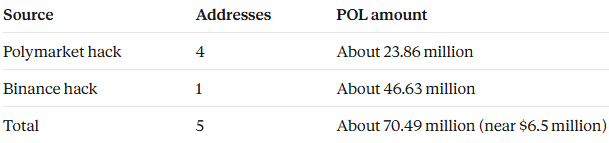
The plan covers coins from two separate hacks, and the table below shows how the total adds up. The dollar value uses the Oct 29 price, so it will change as the market moves. Readers can visit Polygon Labs official website for more updates.
Why Use a Hard Fork Instead of a Wallet Block?
Block producers have already stopped transfers from the five addresses, so the thieves cannot move the coins today. That is a good first step, but it is only a pause.
The blocks are meant to be temporary, and on their own they cannot send the coins back to the hacked firms.
The proposal also notes that the attacker tried one more transfer on Oct 30 with a fee worth about 219,450 POL. A hard fork is the tool that could change the balances and hand the coins to the real owners, which is why the team is asking for it.
Polygon Governance Call Date and Testing Plan
The team will share the plan on the Polygon governance call at 14:30 UTC on Nov 5. If people approve it, the work and the tests are expected to take about two weeks. The code must also pass tests on the Amoy testnet before it can reach the main network.
No date for the mainnet launch has been set yet. A hard fork needs node operators to update their software, so the final timing depends on them.
Will the Polygon Mainnet Hard Fork Affect Other POL Holders?
For most holders the answer looks like no. The plan says the total POL supply stays the same, and it limits the change to the native POL listed in the proposal. Wallets that are not on that list are not part of the plan.
This step also raises a bigger question about how far a crypto network should go to win back stolen funds.
What Happens Next After the Polygon Mainnet Hard Fork Call?
Three things matter in the coming days. The first is whether the call ends in approval, the second is how the Amoy testnet tests go, and the third is the upgrade plan for node operators.
Until then, nothing is final, so every date and number in this report could change. Follow the Polygon account on X and the governance forum for the latest crypto news before you act.
Anyone who holds POL can treat this Polygon mainnet hard fork as a recovery plan under review and not a done deal.
YMYL Disclaimer: This article is for information only and is not financial, investment, or trading advice. Details come from the public proposal and Polygon posts as of Nov 5, 2026, and may change. Crypto assets are volatile, so always check official sources first.






