RWA Redemption Windows: Why DeFi Distribution Matters

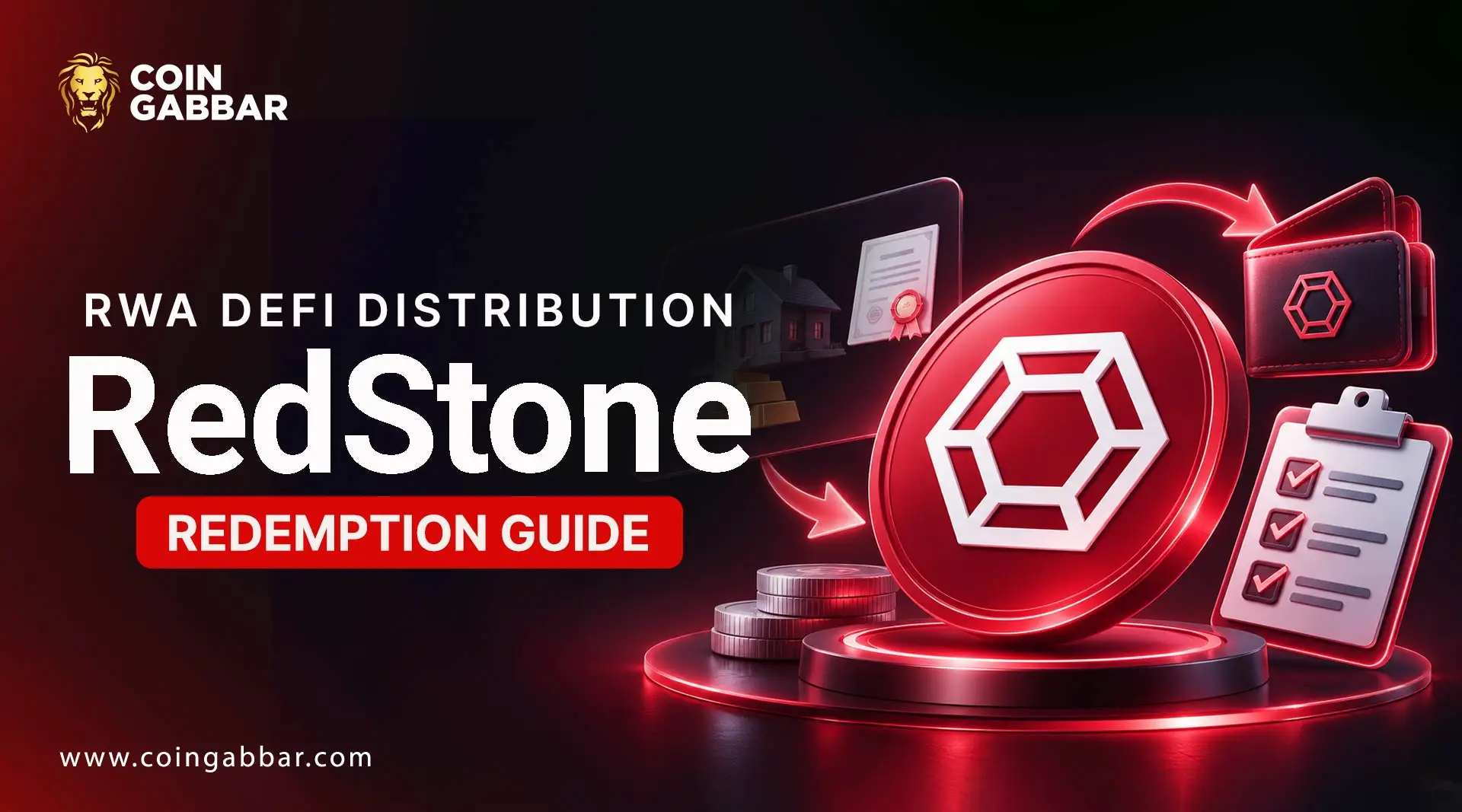
Why Can a Token Trade Anytime but Pay Out Days Later?
A tokenized fund can trade on a blockchain day and night. Getting cash back from the fund is another story. That gap is why RWA Redemption Windows matter, and it is why a token’s market price and its payout from the issuer can drift apart.
Here is the short version. A redemption window is the schedule when eligible holders can send a request to the issuer. The settlement period is the wait before the money arrives.
DeFi adds trading and loan-based exits, but none of them guarantees payout at net asset value (NAV), which is the fund’s worth per unit.
Behind most tokenized real-world assets sits an ordinary fund with ordinary rules. Readers new to the topic can begin with RWA blockchain basics.
This guide leans on the DeFi Distribution Playbook, published on 2 November 2026. Krzysztof Gogol, PhD, wrote it in collaboration with RedStone, which added the sections on liquidity ahead of redemption and risk ratings.
RedStone sells oracle services, and Gogol discloses an advisory role with Obligate, the issuer behind the oTFY case study. So the playbook is useful, but it is not a neutral source. The figures below carry their dates because markets move.
What Are RWA Redemption Windows, and Why Do Issuers Set Them?
A RWA Redemption window is the period when eligible holders can ask the issuer to take a token back. The issuer sets the dates, the minimum size, and who qualifies. How often a window opens varies by fund and depends on its documents. Payout usually follows NAV.
Settlement is a separate step. The playbook gives redemption timelines of T+1, T+3, T+30, and T+90. The exact start date and payout rules depend on each fund’s documents.
So redemption is a back-office process, not a button. Eligibility checks, minimum tickets, and transfer-agent steps still apply.
Term | Meaning | Who Controls It |
Redemption window | When requests can be sent to the issuer | Issuer |
Settlement period | Wait before the payout arrives. | Issuer and fund process |
Secondary market exit | Selling the token to another buyer, often at a discount | Market buyers |
How Do Issuers Bring Tokenized Assets Into DeFi Markets?
DeFi adds three routes on top of the fund. Holders can borrow against the token without selling it. Traders can buy and sell it on decentralized exchanges at any hour. Lenders outside the issuer’s own channels can reach it too.
The playbook describes a flywheel. A token accepted as collateral draws borrowers. Borrowers draw lender money, usually stablecoin deposits.
Part of that money flows into trading markets, which makes the token easier to hold. Without lender money, nobody can borrow. Without trading depth, borrowers have no clean way out.
RedStone research from October 2026 puts the onchain RWA market above $38 billion, with 11% integrated into DeFi.
The playbook also reports that over 30% of tokenized private credit RWAs already benefit from DeFi integration. For the wider picture, see these tokenized asset trends.
How Do Redemption Windows Change Liquidity and Lending Risk?
Thin trading is the first problem. A large exit, or a forced sale after a price drop, can drain the buyers in a pool. Trading depth carries inventory costs and thins out under pressure, the playbook says.
Lenders face a second problem. If a position fails, a liquidator may have to wait out a full redemption cycle before cash arrives.
That is why RWA redemption windows shape how much a lender will advance against a token. Readers who want the basics of collateral can check how DeFi lending works.
How Can Holders Get Cash Before the Window Opens?
The playbook describes three exit routes that leave the fund’s terms unchanged. Each one depends on supported lending markets, available buyers, and issuer permissions, so none is a guaranteed exit for every token.
Instant redemption: a holder swaps the token for stablecoins through an available liquidity provider instead of waiting in the queue. Price and eligibility still matter.
Instant liquidation: a lending market sells the collateral and repays the debt in one transaction.
Atomic deleveraging: a borrower unwinds a looped position in one step before a forced sale.
RedStone Settle is the example the playbook uses. Verified liquidity providers, called solvers, bid at a discount to the asset’s value. The winning bid settles atomically on-chain, in the same transaction as the price update.
The solver then redeems through the issuer’s normal channel. The issuer sets a discount floor and can limit bidding on permissioned tokens to firms that passed KYB and KYC checks.
An early exit usually costs a discount, so a holder may receive less than the displayed NAV. Because these exits pay out in stablecoins, stablecoin depth matters too, as this stablecoin guide explains.
What Does the Data Say About RWA Redemption Timing?
As of August 2026, the tokenized US Treasury fund market stood at about $16.2 billion. The playbook says Securitize held around 18% of that market.
NAV quality is one example of what matters. A monthly NAV PDF cannot directly support automated DeFi pricing.
The playbook says issuers need machine-readable NAV data with a known update frequency for oracle integration. Risk ratings add another check, since they estimate the chance of losing principal before capital moves.
The oTFY token shows the route in practice. In October 2026 it had a market capitalization of about $30 million, with 40% allocated to DeFi. Around $7.18 million of oTFY was used as collateral on Kamino, and another $3 million on Morpho.
Eligible investors could subscribe directly with a $100,000 minimum, while other traders bought and sold the token at market price around the clock.
The playbook does not measure how these exits perform under stress. A fair question for holders is whether enough buyers stay available when markets fall and at what discount they step in. That is an editorial concern, not a reported statistic.
What Should Holders Check in an Issuer’s Redemption Rules?
Before relying on any tokenized asset, these points are worth checking:
Redemption timing and how the fund counts its start date
Who qualifies and the minimum ticket
Fees, discounts, and any redemption limits
Where the NAV comes from and how often it updates
Which exit routes exist besides redemption, and who can use them
Comparing other RWA crypto projects shows how differently issuers set these rules.
Conclusion: Why Redemption Timing Matters for DeFi Holders
A token can change hands in seconds, but the cash behind it follows the issuer’s calendar. RWA Redemption Window are set when a request can be made, and settlement decides when the money actually arrives.
DeFi adds trading, borrowing, and quicker exits. Still, none of these replace the fund’s own rules. Two questions stay open. One is how deep the exit market stays when prices fall.
The other is what each issuer’s real terms say, and those are worth reading before anything else. RedStone, the oracle provider behind the playbook, posts its updates on its official X account.
Disclaimer: Not financial advice. Crypto and tokenized assets are volatile and can lose value, and rules can change. Official issuer pages should be checked before acting.