Smart Choices For Crypto Casinos In Canada

Kartik Sharma
Published:
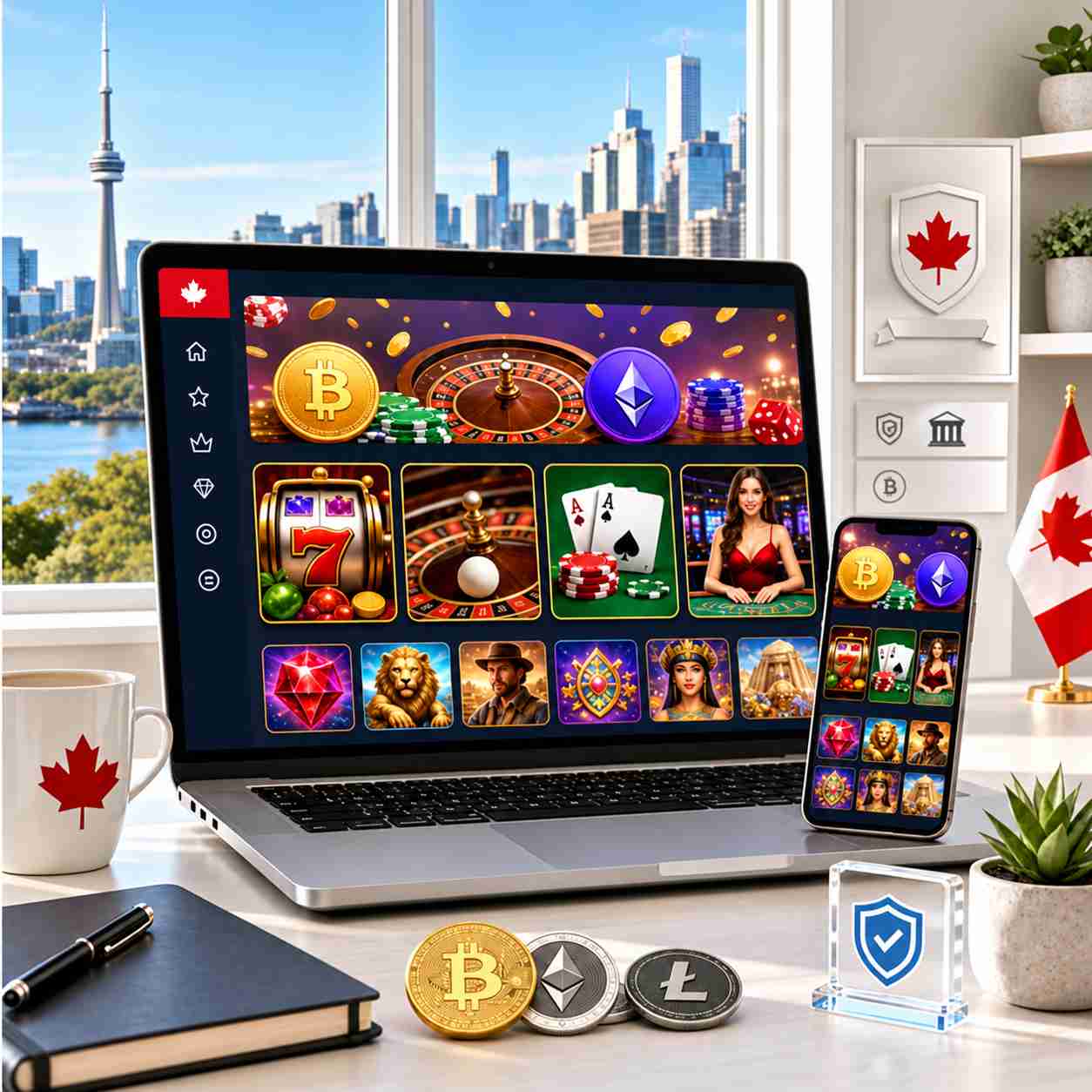
Crypto use in online gaming has grown quickly in Canada, and many Bitcoin users now see casino-style platforms as one of the earliest real-world use cases for their coins. Choosing where to play is about more than flashy graphics or big jackpots. Licensing, payment methods, security and safer play habits all shape a smooth and informed experience.
Why licensing really matters
Licensing is the foundation of any serious casino platform that accepts crypto. A licence indicates that a regulator has set standards for areas such as game fairness, payout procedures, anti-money laundering checks and complaints handling. For Canadian players, this is often the first filter when comparing one site with another.
Some platforms hold licences from Canadian provincial regulators, while others are authorised in well-known overseas jurisdictions. In both cases, the key step is verifying that the licence number and regulator name shown on the site actually match what appears on the regulator’s own register. Fake seals and logos still appear online, so a quick cross-check helps users see who, if anyone, oversees that operator.
Licensing also shapes how player funds should be treated. Many regulators require operators to separate player balances from company operating accounts. When assessing a new platform, readers often look for clear wording in the terms that explains how deposits, withdrawals and unresolved balances are handled if the operator faces business difficulties or decides to exit a market.
Understanding a Canada Bitcoin Casino lobby
Once basic licensing checks are complete, attention usually turns to how a lobby looks and feels. A typical Canada Bitcoin Casino style platform will list table games, slots, live dealers and sometimes in-house crypto titles in one interface. This is where users can see whether games show information such as return-to-player (RTP) percentages, volatility descriptions and provider names.
Many crypto-focused casinos also highlight provably fair mechanics, where players can verify outcomes using cryptographic hashes or seed values. While not a substitute for independent lab testing, this approach aligns well with the expectations of crypto users who already understand concepts like public keys and transaction hashes.
Players who are comfortable with Bitcoin often look for clear guidance on minimum and maximum bets, how jackpots are funded and how quickly large wins are processed. Transparent lobby design, with filters, search tools and easy access to rules, helps users decide whether a platform’s game mix and format actually suit the way they enjoy playing.
Payment methods and fee awareness
For many readers of crypto-focused sites, payment flexibility is the main reason to explore casino platforms in the first place. A typical Canada Bitcoin Casino alternative today might accept BTC, ETH, stablecoins and sometimes faster layer-2 options. Each method has different settlement times, fee structures and volatility exposure.
On-chain Bitcoin deposits can take from minutes to an hour or more, depending on network congestion and chosen fee levels. Lightning Network payments, where supported, can be almost instant but require compatible wallets and sometimes channel liquidity. Ethereum and other chains may offer faster confirmation but can see variable gas fees during peak activity.
Looking closely at the cashier or payments section helps players understand minimum deposit and withdrawal sizes, whether the casino charges its own fees on top of network costs, and if withdrawals are processed automatically or manually reviewed. Some prefer a small number of well-supported coins with clear policies over a long token list with little explanation.
Safer play habits with crypto
Crypto holders are used to price swings, and that volatility can amplify both wins and losses when combined with casino games. Many experienced players set a separate wallet or dedicated balance for entertainment, so that their long-term holdings are never mixed with day-to-day play. Treating a casino balance like any other discretionary spend helps keep expectations grounded.
Time management is another area where habits matter. Some casinos provide in-account tools such as deposit caps, reality checks or session reminders. Even without built-in tools, players can use simple routines, such as deciding in advance how long to play, taking regular breaks and reviewing outcomes in their transaction history rather than chasing a particular result.
Because crypto transfers are typically final, double-checking wallet addresses and withdrawal details is essential. Enabling two-factor authentication on the casino account and on the email linked to it adds an extra layer of protection in case passwords are compromised. Keeping most funds in a personal wallet and moving only what is needed for active sessions is a common practice among security-conscious users.
Brief look at Canadian rules
The legal landscape for online gaming in Canada is shaped mainly by provinces, each of which can authorise its own offerings. Alongside these locally run platforms, Canadians will often encounter offshore sites that accept them as customers under licences from other countries. The status of those offshore operators can vary, so players who care about compliance typically check how their own province views online casino play and taxation before getting deeply involved.
Security transparency and fairness signals
Beyond licensing and payments, casino selection often comes down to how open a platform is about its operations. Clear privacy policies, up-to-date security certificates and transparent information on how passwords, keys and personal data are stored all contribute to user confidence. Reputable sites usually describe their encryption standards and account recovery processes in plain language.
Fairness signals are just as important. Independent testing certificates, RTP reports and explanations of game mechanics show that the operator is comfortable with scrutiny. For blockchain-based or provably fair games, well-written guides explaining how to reproduce and verify results can help players who are new to these systems but familiar with crypto concepts generally.
Terms and conditions are not the most exciting reading, yet they reveal how an operator handles disputes, game malfunctions and irregular play. Players who value clarity tend to look at how wagering requirements, maximum payouts and rule changes are described. Consistent communication, including timely updates when features change, is often taken as a sign that the team behind the platform treats its users as long-term participants rather than short-term visitors.
Bringing it all together
Choosing a crypto casino in Canada is ultimately about aligning three elements: a licence framework that meets the player’s comfort level, payment options that match their usual crypto habits, and tools or practices that make play feel structured rather than random. When those elements are in place, platforms that accept Bitcoin and other coins can become one more area where blockchain enthusiasts explore real-world use, combining entertainment with the familiarity of on-chain transactions and wallets.

Leave a comment

Join Our Community


Crypto Press Release