What Is Binance, and How Does It Work for Beginners

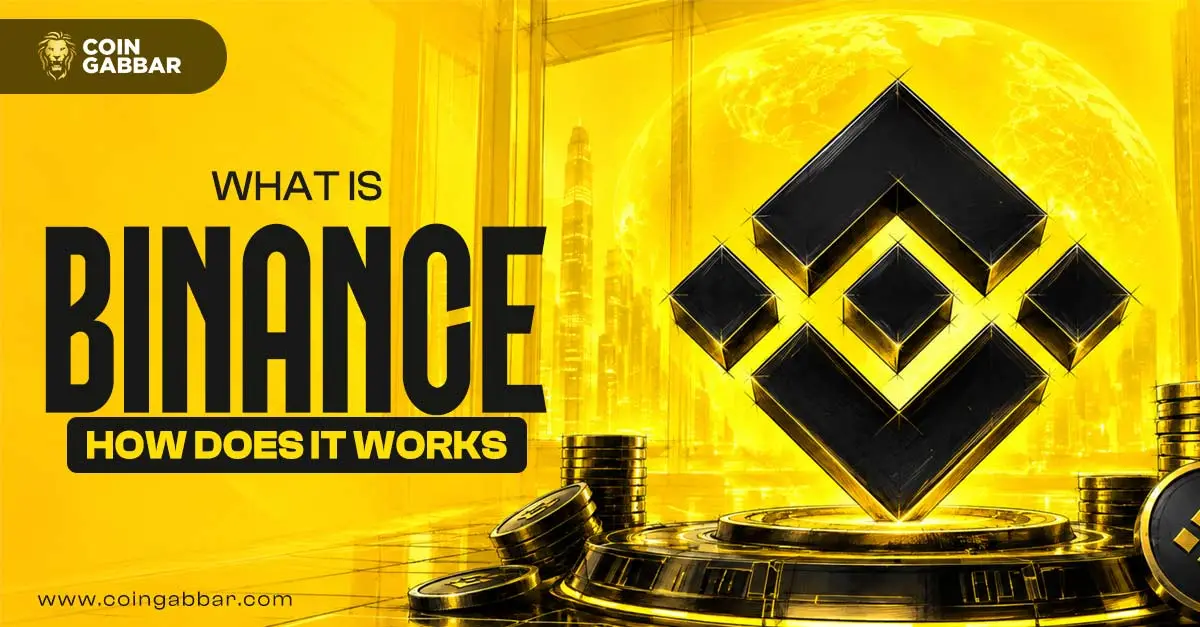
Binance, Explained Simply
Most people typing "what is Binance" into a search bar already know it's a crypto exchange. What they actually want to know is what happens the moment they hit buy and whether it's even a good place to start.
This guide walks through how Binance actually works, what its BNB token is meant to do, and what a first-time user should look at before putting real money on the platform- the kind of basics that get a lot less scary once tried out first on a crypto exchange with a demo account, where nothing real is at risk yet.
What Is Binance, and How Did It Start?
Binance is where people go to buy, sell, and trade cryptocurrency. It launched in July 2017, started by Changpeng Zhao, better known as CZ, along with Yi He.
In roughly six months, it had already become one of the biggest exchanges in the world by trading volume, a pace that turned heads even in an industry used to fast growth.
Binance today covers a lot more than basic spot trading, futures, staking, an NFT marketplace, and its own blockchain network, BNB Chain, which are all part of the picture now. Someone still new to these terms might want to see how Binance actually stacks up against the top 10 crypto exchanges before settling on where to start.
How Does Binance Actually Work?
Binance holds onto user funds while they sit on the exchange, a different setup from a self-custody wallet, where the person alone controls the private keys, not the platform.
Licensing and oversight vary a lot from platform to platform, something easier to judge by checking how Binance compares against the best regulated crypto exchanges out there. That custodial model is exactly what makes Binance so quick and easy to use, but it also means trusting the exchange's own security and financial health, worth thinking through before putting anything meaningful on there.
What Is BNB, and What Does It Do?
BNB is Binance's own token, and honestly, it's hard to picture one without the other at this point; the two basically grew up side by side. BNB started out as something pretty simple: a way to knock a bit off trading fees. It's turned into a lot more since then. These days it sits at the core of BNB Chain, a separate blockchain handling smart contracts, DeFi apps, and a good chunk of other on-chain activity.
Binance has also mentioned that a portion of BNB gets burned from time to time, so those tokens end up gone from circulation for good, a pattern that shows up the same way across a lot of other projects once they hit a crypto exchange listing for the first time.
The official BNB tokenomics documentation ties that burning to a goal of bringing total supply down over time, though none of that amounts to a promise about where the price actually goes.
What Trading Features Does Binance Offer?
Binance offers a lot, probably more than most beginners need on their first day. Futures and margin trading use leveraged positions, which come with a lot more risk. Staking lets someone earn yield by locking tokens up for a while.
Binance Earn covers a wider set of yield products beyond just staking. There's also an NFT marketplace and launchpad access for anyone interested in new token listings. For most new users, sticking to spot trading first just makes sense.
Leverage products work differently and can wipe out a position fast through liquidation, so they're not something to jump into without understanding how that actually works.
According to Binance's own futures FAQ, a position gets liquidated automatically once its margin drops below the required maintenance level, which is worth reading closely before touching leverage at all.
Binance Fees: What Should Beginners Expect?
Binance's standard trading fees tend to sit lower than what most traditional brokers charge, and paying with BNB has historically knocked a bit more off the top, based on Binance's own published rates. That said, the actual number someone ends up paying depends on their account tier, how much they trade, and where they're located, so it won't always match the general rate listed on the website, which is part of why stablecoin pairs are worth comparing on a best crypto exchange for USDT basis, since that's usually where fee differences between platforms show up the most.
Checking the live fee schedule directly on the platform is really the only way to know the exact cost before placing a trade. According to Binance's official fee structure page, spot trading fees start at 0.1% per side before any BNB discount is applied.
Is Binance Regulated, and What Should Beginners Check?
Binance's regulatory standing shifts a lot depending on the country, and that's one of the bigger things a beginner should actually look into before signing up. Some places offer direct, licensed access through local Binance entities.
Other places have restrictions or no real presence at all. Regulatory treatment of large global exchanges keeps shifting too, so checking the current rules where someone actually lives beats assuming whatever status applied a year or two ago still holds.
According to Binance's own regulatory licenses and disclosures page, the exchange maintains different regulatory approvals across separate regions rather than operating under one single global license, which is exactly why checking locally matters so much.
What Does the Data Say About Binance?
The stronger signal here is scale. Binance has stayed near the top by daily trading volume for years now, and that usually means tighter spreads and deeper liquidity on common pairs, backed up by how steadily it holds that spot in CoinMarketCap's own exchange rankings, a real, practical benefit for anyone placing regular trades, not just a number sitting on a chart somewhere.
The main worry for newer users is just how much sits on the platform all at once. Something built with advanced traders in mind can feel like a lot when someone just wants to buy their first bit of crypto, and weighing it against a smaller, more niche pick, like a best crypto exchange for NFTs, often shows a different balance of risk and reward than an exchange this size carries.
The biggest unknown, for Binance or any large exchange really, is where regulatory rules in different countries end up heading next. Nobody can call that with any real confidence, but it's worth checking in on now and then instead of assuming today's access stays exactly the same a year from now.
Public trading-volume data from CoinMarketCap's exchange rankings backs up how consistently Binance has held its position near the top over time.
Conclusion
Binance is a big, well-established exchange that does spot trading, derivatives, and staking and has its own BNB-powered ecosystem. That scale means real liquidity, but also a lot of features to wade through for someone just starting.
Checking regional access, reading the live fee schedule, and sticking to spot trading before touching leverage are the practical first steps.
Disclaimer
This article is for general information only and isn't financial advice. Crypto trading comes with real risk, and just because Binance has grown fast or seen high volume in the past doesn't mean that will continue going forward.



.jpg)