Zcash Blockchain Explorer: A Guide to ZEC Tracking

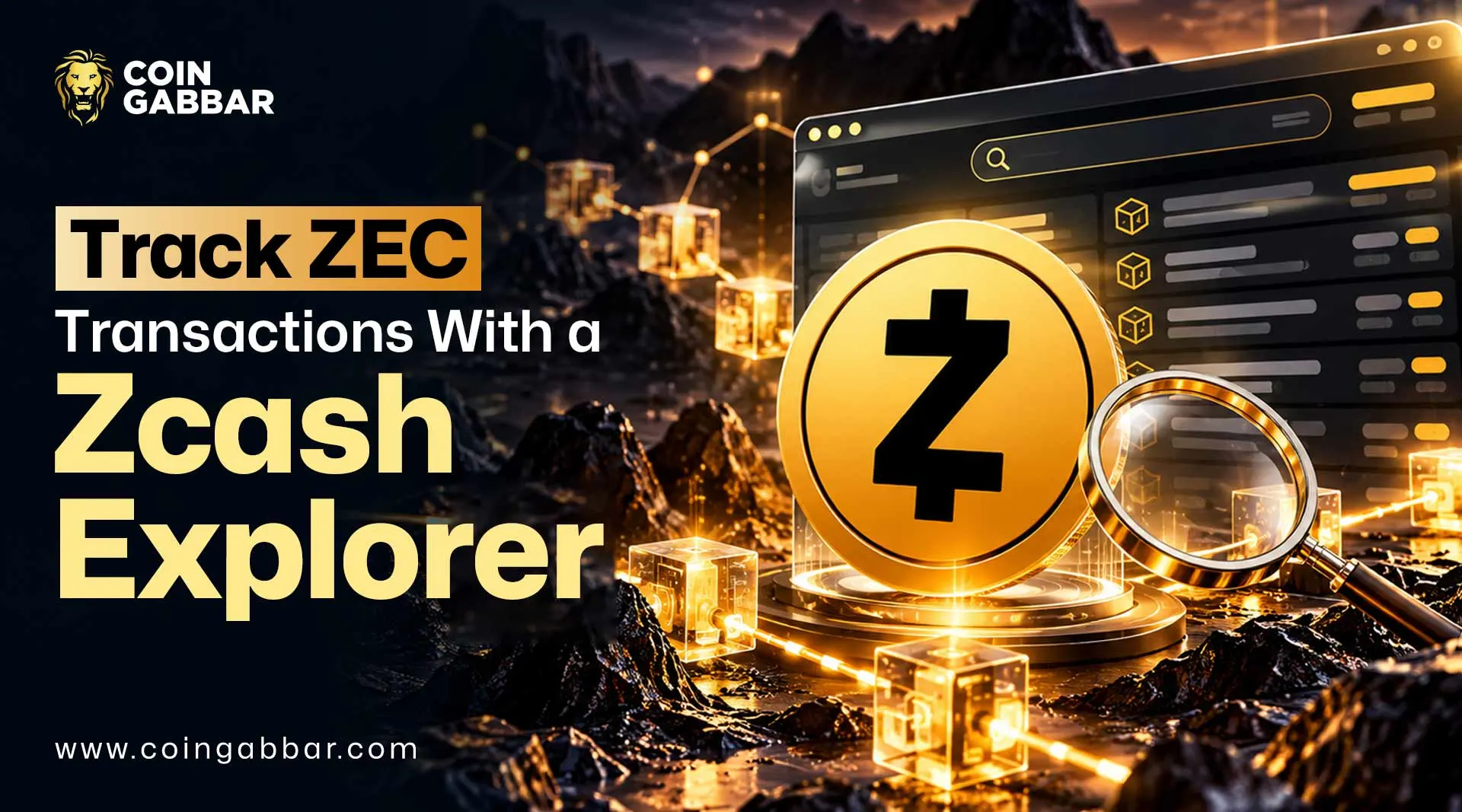
Zcash Blockchain Explorer: Finding and Verifying ZEC Transactions
Zcash promises private payments, yet every transaction still lands on a public ledger. So what can outsiders actually see? A Zcash-blockchain-explorer answers that in seconds.
This guide covers how a Zcash blockchain explorer works, what it reveals, and where its view stops. It also covers ZEC tracking basics and key risks.
A good place to start is the official Zcash website. It describes shielded and transparent payments in plain words and keeps live network stats.
The Zcash Foundation is another useful stop. This nonprofit backs Zebra, one of the node programs an explorer reads from, and shares updates on network upgrades.
What Is a Zcash Blockchain Explorer, and Why Use One?
A block explorer works like a search engine for a blockchain. Paste in a transaction ID, address, or block number, and it shows what the ledger recorded.
A Zcash-blockchain-explorer does that job for ZEC. It reads data from full nodes, such as Zebra, and turns blocks, fees, and confirmations into readable tables.
Why bother? Sending crypto feels shaky until the network confirms it. An explorer makes that wait visible and proves a payment arrived. Other crypto block explorers follow the same idea.
Wallets and exchanges can lag. The chain itself rarely does. New users who just followed a Zcash wallet guide should make this check a habit.
What Can a Zcash Blockchain Explorer Show, and What Stays Hidden?
Zcash-gives users a choice. Transparent addresses work like Bitcoin, so anyone can inspect them. Shielded addresses use zero-knowledge proofs to hide the sender, receiver, and amount.
The official site explains the difference between shielded and transparent Zcash in plain terms. The table below shows how each transaction type looks on a public explorer.
Transaction Type | Visible on Explorer | Hidden |
Transparent to transparent | Sender, receiver, amount, fee | Nothing |
Shielding (transparent to shielded) | Sending address, amount moved in, fee | Shielded receiver |
Deshielding (shielded to transparent) | Receiving address, amount moved out, fee | Shielded sender |
Fully shielded | Fee, block height, timestamp | Sender, receiver, amount, memo |
Fully shielded payments still leave a trace. The fee, block height, and timestamp stay public. Only the payment details vanish.
That split is by design. No Zcash-blockchain-explorer can crack shielded data, and none should. Anyone claiming otherwise is selling something.
How to Track a ZEC Transaction on a Zcash Blockchain Explorer
The process takes about a minute. Here's the usual route:
Copy the transaction ID from the wallet or exchange page.
Open a well-maintained Zcash-blockchain-explorer and paste the ID into the search bar.
Verify status. "Pending" means the payment is sitting in the mempool, the waiting room for unconfirmed payments.
Check block height & confirmations. More confirmations, less chance of a reversal.
How Does a Zcash Blockchain Explorer Handle Transparent Addresses?
Search a transparent address, and the explorer lists its balance, incoming payments, and outgoing payments. Everything is open, much like tracking a Bitcoin address.
That openness has a catch. Anyone can follow the money, so users should avoid reusing one address.
What About Shielded Addresses?
Shielded addresses don't show history. The explorer can only confirm the address is real. It can't link any balance or payment to it.
To review shielded activity, owners use a viewing key. It's a read-only key. A chosen person, such as an accountant, can see payments but can't spend.
What Do the Latest ZEC Network Numbers Show Today?
Any Zcash-blockchain-explorer also displays network-wide data. The official Zcash network statistics page lists market data and shielded pool size. As of September 2026, the picture looks like this:
Metric | Figure | What It Means |
Max supply | 21 million ZEC | Hard cap on all coins |
Circulating supply | About 16.95 million ZEC | Coins already issued |
Market cap | About $26.8 billion | Price times circulating supply |
Shielded pool | About 4.9 million ZEC | ZEC held privately |
Block reward | 1.5625 ZEC | Since the November 2024 halving |
Market cap and fully diluted valuation aren't the same thing. Market cap uses coins in circulation. FDV assumes all 21 million ZEC already exist.
At roughly $1,583 per ZEC, FDV lands near $33 billion. That's simple math, not a forecast. For live quotes, readers can check the Zcash-price today.
Under current rules, the next halving arrives in November 2028. A proposed change, ZIP 234, could smooth issuance instead, so that date remains uncertain.
Expert View: Why a Zcash-Blockchain-Explorer Matters
Here's the twist. On a private network, an explorer proves its value through what it can't show. Pool totals stay visible, even when individual payments don't.
About 29% of supply now sits in shielded pools, based on official network figures. That suggests more holders want privacy, though the chain can't say why.
Habits matter too. Moving funds into a shielded address, then straight back out, can leave a linkable pattern. The explorer shows both steps.
Analyst view: among privacy coins, Zcash's optional privacy makes the explorer-work less as a spying tool and more as a receipt checker.
What Are the Main Risks When Using a Zcash-Blockchain Explorer?
Explorers are safe to read. The risks sit around them. Keep these points in mind:
Never paste a seed phrase or spending key into any website. Real explorers never ask.
A viewing key exposes full shielded history, so share it only with trusted people.
Moving funds between transparent and shielded-pools can create linkable patterns.
Explore-data can lag, so match it against wallet records.
Fake-explorer sites exist, so check the URL first.
Conclusion: What to Check Before Tracking ZEC
Zcash lets users pick between open and private payments. A Zcash-blockchain-explorer reads the open side clearly and respects the private side by design.
What stands out is the shielded-pool, now near 29% of supply. What stays uncertain is future issuance, since ZIP 234 could reshape the halving schedule.
Next, readers can test a small transaction and verify supply data on the official network page.
Disclaimer:
This article is for information only and isn't financial advice. Crypto assets are volatile, and losses can happen. Readers should do their own research before making any decision.