BNB Chain Presales: Key Checks Before Investing

BNB Chain Presales: Contract and Listing Verification
BNB Chain Presales lets projects raise money before a token trades, and the low fees make them easy to launch. That ease cuts both ways. Anyone can deploy a contract in minutes, copy a polished website, and announce a "coming listing."
Before sending a cent, a buyer should check two things: whether the contract can be inspected and trusted, and whether the claimed listing actually exists on an official page. A pass on both still isn't a guarantee, but a failure on either is a clear reason to walk away.
Why Do BNB-Chain Presales Attract Scams?
Low transaction costs and a huge user base make the network a natural home for small launches, and plenty of them are honest.
The same conditions attract copycats. A fraudulent crypto presale needs little more than a token-contract, a landing page, and a Telegram group full of excited accounts.
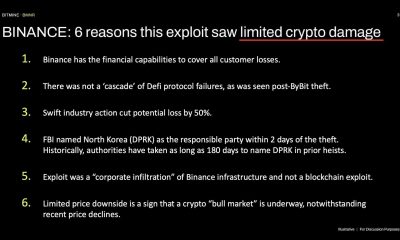
Pressure is the usual tool. Countdown timers, "last chance" posts, and screenshots of supposed profits push people to act before they think. Readers who follow Binance News Today will often see projects borrow the exchange's name to look credible.
How Can Buyers Check the Contract in BNB Chain Presales?
Start with a block explorer, the public tool that shows what a contract actually contains. According to BNB Chain's own guide to spotting malicious contracts, an unverified-contract gives no way for a third party to prove it is a good one.
Verified source code means the published code matches what runs on-chain, so anyone can read it.
A sensible contract check looks like this:
Is the source verified? If the code is hidden, that alone is a warning.
Is the contract-upgradable? A proxy lets the admin change the logic at any time. That's only safe if the team is trustworthy and the change process is transparent.
Who holds the supply? Guidance flags it as a large red flag when the deploying address holds most of the tokens.
Are there risky functions? Functions that grant a spender unlimited allowance can put every token in a wallet at risk.
Does the maximum supply look sensible? An overwhelmingly large cap deserves questions.
Do the promised returns sound unreal? If they do, they probably are.
The BSCScan block explorer is the standard place to run these checks. The official guidance does not cover every item buyers ask about, such as mint permissions, honeypot behavior, blacklist functions, or liquidity locks, so those checks need a second, trusted source and are not verified here.
What Does "Verified" Really Prove?
Less than people assume. A verified contract shows the code is readable. It doesn't prove the code is safe, the team is honest, or the funds will be handled fairly.
A contract can be fully verified and still contain a function that lets the owner drain a pool. Reading the code, or asking someone qualified to read it, is the step that counts.
How Can Buyers Verify a Listing Claim?
Fake listing announcements are one of the most common hooks in the official BNB Chain Presales. A project says a major exchange is about to list the token, and buyers rush in. A few habits cut through the noise:
Go to the exchange directly, Official announcements live on the exchange's own site and app, not in a project's chat group.
Match the contract-address, The address in a listing notice must be identical to the one on the project's official channels and block explorer page.
Check the pair and liquidity, On a decentralized exchange, confirm which pair trades, who provided liquidity, and whether it's locked.
Be wary of "soon," A promise of a future listing isn't a listing.
Ignore screenshots, Images are trivially faked.
Exchanges rarely list a token because a presale asked nicely, and many publish clear listing rules. The foundation of the network publishes technical material in its official documentation, which is a better starting point than any promoter's thread.
What the Evidence Shows About BNB-Chain Presales
Claim | Status |
An unverified contract gives third parties no way to confirm it is trustworthy | Official (BNB Chain guidance) |
Upgradable proxy contracts let an admin change logic later | Official (BNB Chain guidance) |
A deployer holding most of the supply is a red flag | Official (BNB Chain guidance) |
Verified source code does not prove safety | Reported (security practice) |
Official listing news appears on the exchange's own channels | Reported |
How many presales fail or turn out to be scams | Verified |
Whether a specific presale is safe | Verified |
What Are the Warning Signs in BNB Chain Presales?
A few patterns show up again and again:
Hidden or unverified contract code
Anonymous teams with no track record
Pressure to buy right now
Promises of guaranteed profit
Social accounts that vanish or turn off comments
Requests to connect a wallet through a link in a direct message
A website that copies another project almost word for word
Scam promoters also lean on fresh tricks. AI Crypto Scams explains how attackers build fake support teams and voices without ever touching a wallet, and the guide to Crypto Phishing Protection shows how fake links trick users into signing bad transactions.
What Should a Buyer Do Before Joining?
Open the contract on the block explorer and read what's there.
Confirm the official website and contract address from more than one trusted place.
Use a separate wallet holding only what the buyer can afford to lose.
Read every wallet prompt, especially approvals.
Revoke old permissions with a token approval checker.
Never share a recovery phrase with anyone, under any excuse.
Keep notes and transaction records in case of a dispute.
Newcomers who want a refresher on the exchange behind the token can read What Is Binance, and the ecosystem's home page at BNB Chain gives an overview of the network itself.
Final Thoughts
BNB Chain presales aren't all scams, but the format rewards people who move fast and ask few questions, and that's exactly what fraudsters want.
The best habit is to slow down. Read the contract, verify the listing through the exchange itself, and accept that missing out on a hyped sale costs far less than losing a wallet. Anyone who can't confirm both points is better off skipping the sale.
Disclaimer: This article is for information only and is not financial advice. Crypto presales carry a high risk of total loss, so verify everything independently before sending funds.