Best Blockchain Analytics Tools 2026 for Smart Traders

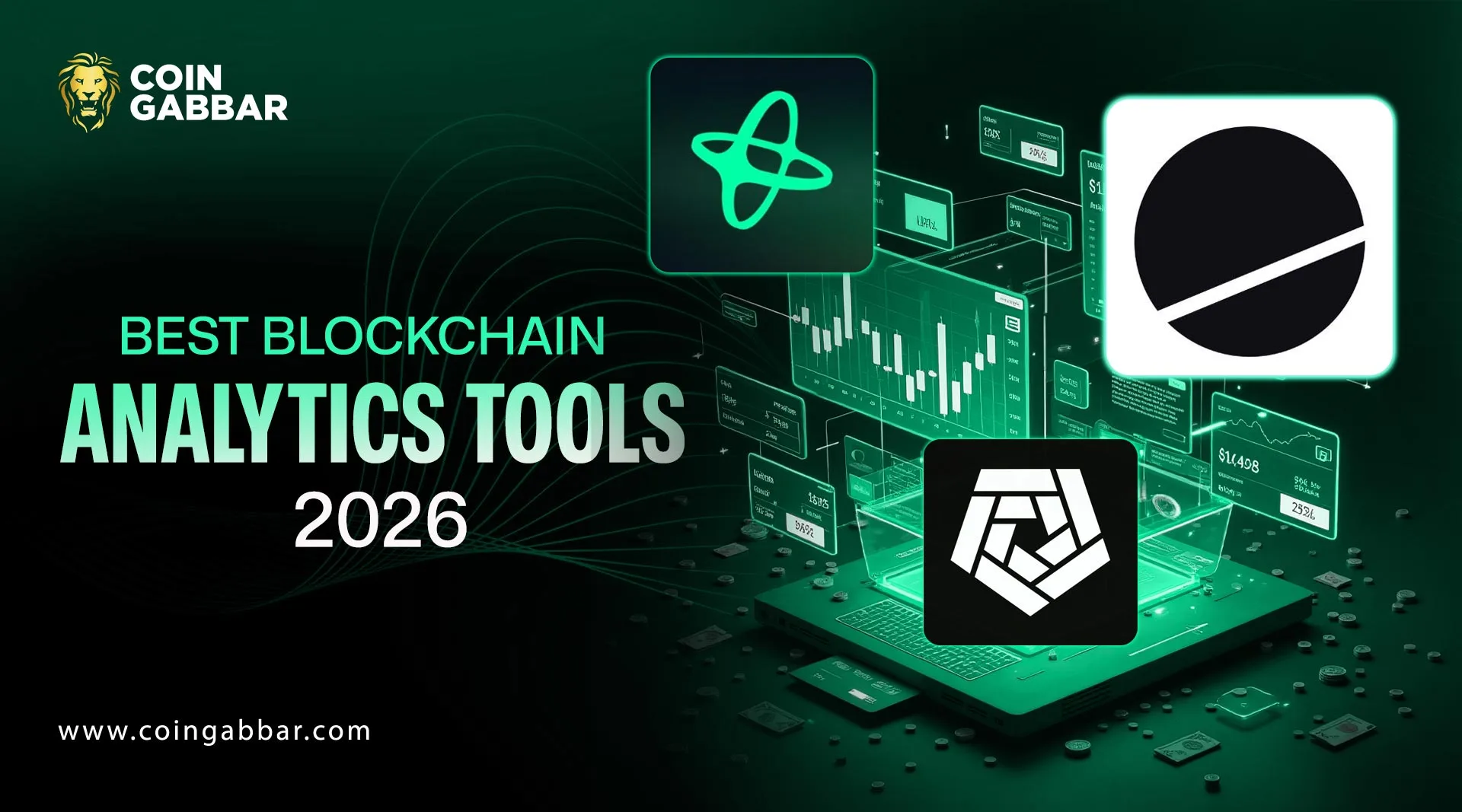
Best Blockchain Analytics Tools 2026 for Traders and Researchers
Which Blockchain Analytics Tool Is Best in 2026 for Real Users?
Want to read wallets like a pro in 2026? You need more than price charts. You need tools that show who moved funds, where they moved, and why that matters.
That is why blockchain analytics tools 2026 matter so much. Good platforms turn raw wallet data into clear signals. They help traders, researchers, writers, and teams spot trends before the wider market does.
Some blockchain analytics companies now focus on labels. Others focus on dashboards or macro signals. So the right pick depends on what you want to track, not just what looks popular.
This guide compares Dune, Nansen, Arkham, Glassnode, and CryptoQuant. You’ll see strengths, weak spots, prices, and the best use case for each one.
Which Tool Wins Overall?
If you want the short answer, Nansen is the best all-round pick. It is fast, clear, and easy for most users to understand. Dune is best if you want to build your own view from raw data. Arkham is best if you care about real-world entities. Glassnode is best for cycle-level market signals. CryptoQuant is best for exchange flow tracking.
For most readers, these are the best blockchain analytics tools 2026 right now:
Best Overall: Nansen
Best For Custom Dashboards: Dune
Best For Entity Tracking: Arkham
Best For Macro Signals: Glassnode
Best For Exchange Data: CryptoQuant
Best For New Users On A Budget: Dune Free or Arkham Free
That is the practical verdict on blockchain analytics tools 2026. Now, let’s see why each tool earned that spot.
How Did We Judge Them?
A good review must stay simple. So this guide judges each platform on five things: ease of use, data depth, labels, chart quality, and price. That is the clearest way to compare blockchain analytics tools 2026 without making the article feel scattered.
We also looked at the kind of user each tool serves best. Some people want alerts. Some want entity labels. Some want dashboards. Others want macro signals. That is why blockchain analytics tools 2026 should be judged by use case, not hype alone.
If you are shopping for blockchain analytics software, this section matters most. A cheap plan means little if the tool slows your research or hides the data you actually need.
Dune Works Best for Builders
Dune is the most flexible tool in this list. It lets you write SQL queries, build custom dashboards, export data, and use a huge library of public work made by other users. Dune also says it supports over 100 chains and more than 1.5 million community datasets, which makes it a strong fit for deep custom research.
That is why Dune remains one of the strongest blockchain analytics tools 2026 for analysts, protocol teams, and writers who want original charts. It is not the easiest place to start, though. If SQL feels hard, your first week may feel slow.
Dune also fits readers looking for blockchain data analytics tools with room to grow. You can start free, then move to Analyst at $75 per month, or $65 per month billed yearly. Plus starts at $399 per month, or $349 per month billed yearly.
Nansen Is Fast and Trader-Friendly
Nansen AI shines when speed matters. It focuses on labeled crypto wallets, Smart Money flows, key metrics, and fast signals that traders can act on. The platform says it is built for on chain investors who want to analyze wallet flows and track key metrics with less manual work.
That makes it one of the most practical blockchain analytics tools 2026 for active users. You open the app, search an entity, and get useful context quickly. For most people, that beats building every chart from scratch.
Nansen AI also stands out among crypto analytics tools because the learning curve is lower than Dune’s. Its Pro plan is listed at $49 per month on annual billing, or $69 per month on monthly billing. That pricing makes it much easier to try than older high-ticket research terminals.
Arkham Makes Wallet Tracking Easier
Arkham is different. It is built around identities, clusters, and known entities. The company describes Arkham Intel as a platform that links wallets and transactions to real people or organizations. That simple promise is the core reason many users open Arkham first.
If your main job is to follow whales, funds, governments, or exchange-linked wallets, blockchain analytics tools 2026 should include Arkham near the top. It is one of the easiest blockchain analysis tools for entity-led research.
Arkham is also easy to access because the platform allows free sign-up. Its public pricing for the core Intel platform is less clearly laid out than Dune, Nansen, Glassnode, or CryptoQuant, so you should treat paid API or business use as custom rather than assume a simple retail plan.
Glassnode Sees the Bigger Picture
Glassnode is less about quick crypto wallet hunting. It is more about market structure, holder behavior, supply trends, and cycle signals. The company positions itself around digital asset analytics, on-chain data, and market intelligence across spot, derivatives, and on-chain metrics.
So if you care about long-term market context, blockchain analytics tools 2026 should include Glassnode on your shortlist. It is one of the better crypto analysis tools for investors who want to know whether the market is overheated, weak, or quietly building strength.
Glassnode’s Studio pricing starts with a free tier. Advanced is listed at $49 per month billed yearly. Professional sits far higher at $999 per month billed yearly, which makes it more suitable for serious desks than casual users.
CryptoQuant Watches Exchange Pressure
CryptoQuant wins where exchange data matters. Its strength is simple. It helps you watch exchange reserves, netflows, miner behavior, derivatives signals, and other flow-based data that traders often use to judge near-term pressure.
That makes CryptoQuant one of the most useful blockchain analytics tools 2026 for users who trade around deposits, withdrawals, and exchange behavior. If coins rush to exchanges, traders watch for selling risk. If reserves fall, they often look for tightening supply.
Among the top blockchain analytics tools 2026, CryptoQuant also covers a wide price range. Public pricing shows Free, Advanced at $29, Professional at $99, and Premium at $799 on annual billing. Its own user guide also says API access requires Professional or Premium.
Feature by Feature, Who Really Wins?
Need custom dashboards? Pick Dune. Need fast labels and crypto wallet flows? Pick Nansen. Need entity intelligence and tracer-style research? Pick Arkham. Need macro on-chain context? Pick Glassnode. Need exchange flow data? Pick CryptoQuant.
That is the cleanest way to compare blockchain analytics tools 2026 without confusing the reader. Each one solves a different research problem. None of them wins every category.
If you want raw flexibility, Dune leads. If you want speed, Nansen leads. If you want attribution, Arkham leads. If you want cycle signals, Glassnode leads. If you want exchange-led trading signals, CryptoQuant leads. That is why the wider term blockchain analytics tools can mean very different things in practice.
Price Versus Value
Price matters more than most reviews admit. A tool may look strong on social media. Still, value comes from how often you use it. This is where blockchain analytics tools 2026 separate into clear groups.
Dune Free is a good start for builders. Nansen Pro feels like the best value for active users who want labeled flows fast. Arkham is useful if free entity tracking covers your needs. Glassnode becomes expensive fast at the top end. CryptoQuant gives solid mid-range options if exchange metrics drive your workflow.
If your budget is tight, don’t buy the most famous name first. Buy the tool that answers your daily research question fastest.
Which One Should You Choose?
Choose Dune if you want full control. It suits analysts, data-heavy writers, and teams that want original charts. Choose Nansen if you want strong labels, easy navigation, and fast wallet intelligence.
Choose Arkham if your work starts with known entities. Choose Glassnode if you trade with market cycles in mind. Choose CryptoQuant if exchange flows sit at the heart of your process.
That is the real buying logic behind blockchain analytics tools 2026. If you are new, start with one paid tool, not three. Learn one workflow well. Then expand only when a clear gap appears.
Final Verdict
So, which tool wins this review of blockchain analytics tools 2026? For most users, Nansen is the best balance of speed, clarity, and daily usefulness. Dune is best for custom work. Arkham is best for entity-led research. Glassnode is best for macro signals. CryptoQuant is best for exchange tracking.
If your goal is to pick from the top blockchain analytics tools with less guesswork, use this rule: choose the platform that matches your daily question, not the one with the loudest brand.
Disclaimer: This article is for informational purposes only and should not be taken as financial or investment advice. Crypto tools, prices, and features can change, so always do your own research before making any decision.





.jpg)