Kaspa Mining: Complete Setup, Hardware, and Binance Pool Guide

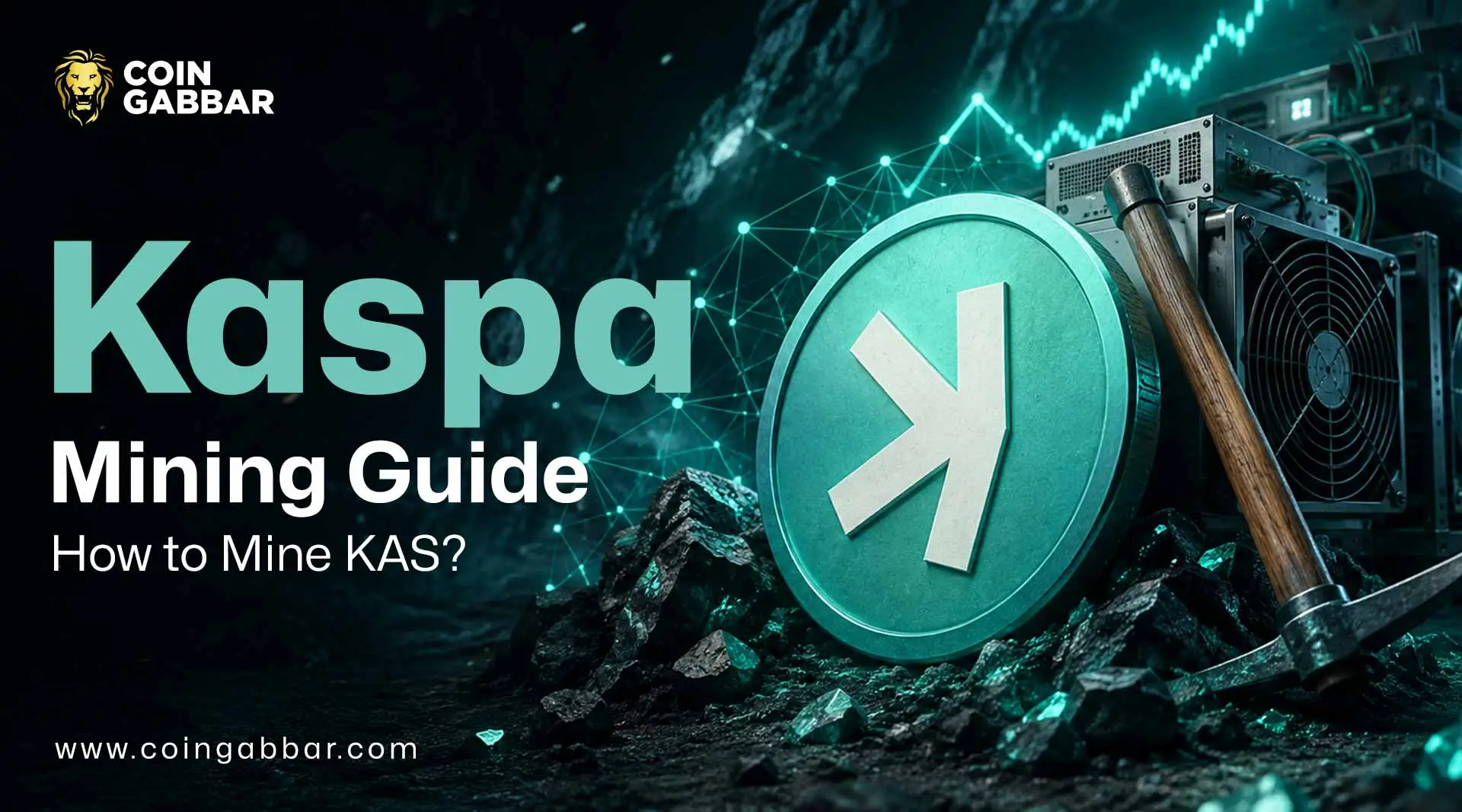
Can You Mine Kaspa? Everything You Need to Know
Kaspa mining is getting more attention from crypto miners. It is a fast, proof-of-work coin. It uses a special design called a blockDAG. This lets it process blocks much faster than older coins.
BinancePool now supports KAS, too. This guide explains what KAS mining is. It also checks if it is mineable. And it looks at how long mining takes. Every fact here comes only from official sources, listed at the end.
3 Key Takeaways
-
It is a proof-of-work coin. This means it can be mined, just like Bitcoin, as stated on its official website.
-
BinancePool launched official KAS mining support on August 5, 2024, with zero pool fees during a limited promo period, as confirmed in the Binance Pool announcement.
-
The token was not listed for trading on Binance.com at the time of that announcement. Mining support and trading listing are two separate things, Binance noted clearly in the same announcement.
What Is Kaspa Mining?
Kaspa mining is the process of using computer hardware to secure the network. Miners solve math problems. In return, they can earn coins. This is how new coins enter the network.
According to the official website, the project describes itself as a proof-of-work blockDAG cryptocurrency. It says it offers "bitcoin's proof-of-work without the wait."
About Kaspa and Its BlockDAG Technology
The network runs at 10 blocks per second, its official website states. That is much faster than most other proof-of-work coins. This is possible because the network uses a blockDAG structure, not a single blockchain line.
The network also says it had a fair launch. There was no premine and no hidden allocation. Every coin traces back to an empty genesis block, according to the Kaspa network homepage.
Is Kaspa Mineable?
Yes. KAS is mineable. It uses proof-of-work, the same basic idea behind Bitcoin mining, as explained on its own site. Miners use hardware to compete for new blocks.
BinancePool also confirms this. On its own dashboard, the Binance Mining Pool platform lists the token as a supported mining coin, using the kHeavyHash algorithm.
How Kaspa Mining Works?
The network mining works like other proof-of-work mining. Miners point hardware at the network. That hardware runs the kHeavyHash algorithm. Miners who find valid blocks are rewarded with KAS.
Because it produces blocks so fast, many miners choose to join a pool. A pool combines many miners' power. This can lead to steadier mining rewards than solo mining.
How to Start Kaspa Mining With BinancePool?
BinancePool officially launched KAS mining support on August 5, 2024, according to its own announcement. The same launch was also shared directly on the Binance Pool announcement tweet.
Here are the official steps to get started, as listed by Binance:
-
Log in to a verified Binance account and register for a BinancePool account.
-
Follow the official KAS crypto mining tutorial to connect mining hardware.
-
Check your current hashrate under the "Workers" section of your account.
These steps come straight from the official Binance Pool announcement.
Mining Requirements
To start token mining through BinancePool, a few things are required. These come straight from the official announcement.
-
A verified account on the exchange.
-
A registered BinancePool account.
-
Mining hardware compatible with the kHeavyHash algorithm.
-
A valid third-party payout address that supports the 100 KAS minimum payout.
The exchange also notes that if earnings stay below this 100 KAS threshold, or no valid payout address is set, funds simply remain in the BinancePool wallet balance.
How Long Does It Take to Mine 1 KAS?
This is a common question. But none of the official sources reviewed for this guide state one fixed number of minutes or hours to mine 1 KAS.
Here's why. Mining speed depends on a miner's hashrate compared to the total network hashrate. Its own website confirms its network runs at 10 blocks per second, which is very fast. Faster block times can mean faster reward cycles, but the exact time per coin still shifts with network difficulty.
For an accurate, current estimate, miners should check live hashrate and difficulty figures directly. The exchange Mining Pool platform shows real-time hashrate for connected workers once mining starts.
Why Binance Added Kaspa Mining?
BinancePool describes itself, on its own platform, as a service built to improve miner income. It highlights three main features: secure and transparent operations, steady earnings through FPPS, PPS+, and PPS payout models, and a broad, all-in-one mining service.
Adding the network gave miners of this fast blockDAG coin an established, secure pool option. The zero-fee promotion, running from August 5 to November 5, 2024 (UTC), was also a clear incentive, as Binance exchange stated in its announcement, for miners to try token mining on BinancePool.
Coin Gabbar Analysis
In our view, KAS mining looks promising, but it is not risk-free. The coin's fast blockDAG design gives it a real speed edge over older proof-of-work coins. BinancePool's support adds credibility too, since a major exchange rarely backs a coin without confidence in its tech.
That said, KAS was not tradable on Binance.com at launch. Miners were earning a coin they could not yet easily sell there. New miners should watch network difficulty and coin price closely before buying hardware. This mining can pay off, but only with realistic expectations and steady research.
Things to Know Before You Start Kaspa Mining
A few practical notes matter before jumping in.
-
KAS mining support does not guarantee KAS will be listed for trading on Binance.com. The exchange stated clearly in its announcement that these are separate matters.
-
Users can apply for VIP status once their hashrate meets BinancePool's VIP requirements, by emailing poolvip@binance.com, per the official announcement.
-
Anyone new to this space, including those exploring a Kaspa mining app, should confirm hardware compatibility first. The official exchange materials reviewed here focus on standard mining hardware, not mobile apps.
-
Kaspa mining profitability changes with coin price, network difficulty, and electricity cost. None of the reviewed sources publish a fixed profitability figure, so miners should track current network stats before committing hardware.
Final Thoughts on Kaspa Mining
Kaspa mining is real and active. As its official website explains, it is a proof-of-work blockDAG coin, and it is mineable through standard mining hardware. Binance backs this up with an official, zero-fee launch and a clear setup process, laid out in its own Pool announcement.
Anyone considering KAS mining should start with the official tutorial, confirm hardware requirements, and track live network data before investing in equipment. That approach keeps decisions grounded in facts, not guesses.
Disclaimer: This article is for general information only. It is not financial advice. Digital asset prices are volatile, and mining profitability is not guaranteed. Always do independent research and consult a qualified financial adviser before making investment or mining hardware decisions.