US Annual Interest Expense Hits Record 18.5% High

US Annual Interest Expense Hits Record 18.5% High
The US annual interest expense has climbed to a record 18.5% of federal government revenue, according to an August 2026 breakdown shared by Kobeissi Letter's post on X.
This is the new US interest record, sitting above the previous high of 18.4%, a mark that had stood since 1991.
Data from the Peterson Foundation's cost tracker, which follows Congressional Budget Office figures, confirms federal payments reached 18.5 percent of revenue by the end of last year, exceeding the 1991 peak.
This (The Kobeissi Letter) also covered this news in the tweet posted on X, noting that the US annual expense has more than quadrupled over the last four years as servicing costs surged.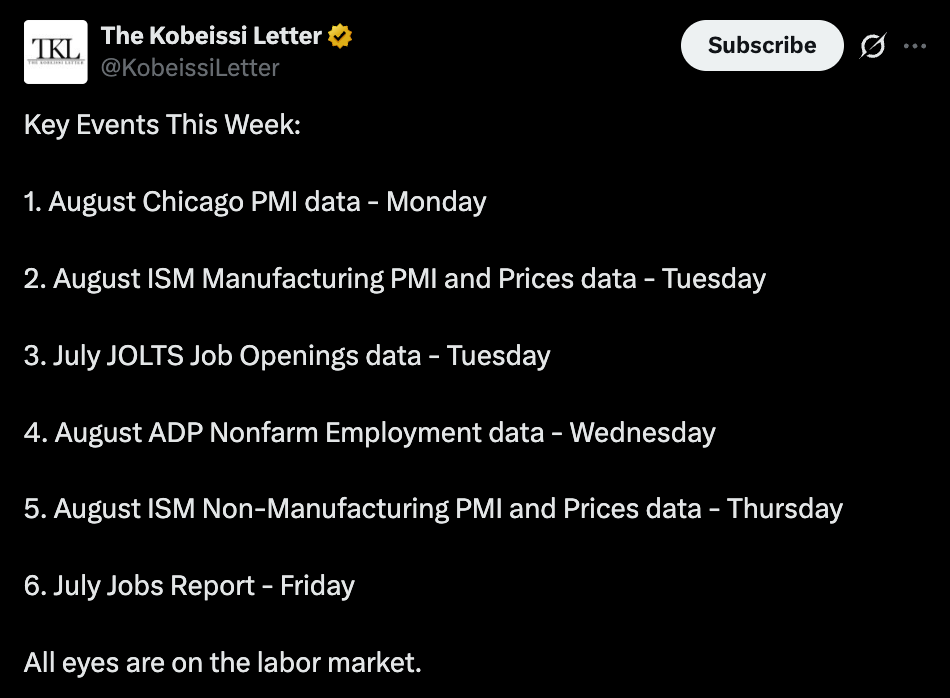
How Fast Has the US National Debt Crisis Escalated?
The pace of this shift is unusual. The costs that once made up a small share of federal spending now compete with the government's largest budget lines. Here is the comparison Kobeissi highlighted:
Metric | 1991 | 2026 |
Interest as % of federal revenue | 18.4% | 18.5% |
Annual expense | ~$300 billion (est.) | $1.25 trillion |
30 year treasury yield | ~8.00% | ~5.21% |
The Congressional Budget Office states that net costs, relative to the size of the economy, are also on track to exceed the 1991 high of 3.2% of GDP, climbing toward 25.8% of revenue by 2036. This confirms the US annual interest expense trend is structural, not a one-time jump.
30 Year Treasury Yield Adds to the Pressure
The 30 year treasury yield closed near 5.21% as of August 28, 2026, per Treasury's daily yield curve data, just 13 basis points off its highest level since 2007.
Higher long-term yields raise the cost of refinancing US public debt, which pushes the US annual interest expense even higher year after year.
Analysts tracking the federal government revenue gap note this is not a temporary spike.
Interest expenditure has grown steadily since 2021, and CBO projections show little relief before the next decade, keeping the US debt crisis 2026 storyline firmly in focus for policymakers and markets alike.
Why Crypto News Today Is Linking This to Bitcoin
Rising US debt payments and talk of eventual US debt monetization have become a recurring theme in crypto news today.
Market commentators argue that when governments rely on to fund, the long-term risk is a weaker dollar, which strengthens the case some investors make for Bitcoin as a scarce, fixed-supply asset.
Bitcoin was trading near $77,938.42 on August 31, 2026, according to CoinGecko's Bitcoin price data.
This Bitcoin news of inflation hedge argument is not confirmed policy, it is a market narrative building around the wider US national debt crisis storyline.
No central bank or government body has stated an intent to monetize debt at this stage, and any such move would need official confirmation before being treated as fact.
Market Implication: Analysts note that a rising US annual expense narrows the government's fiscal room and could keep long-term yields elevated for longer, a dynamic that crypto traders are watching alongside broader crypto news coverage this week.
Disclaimer: This article is for informational purposes only and does not constitute financial or investment advice. Cryptocurrency markets are highly volatile.
Also read:






