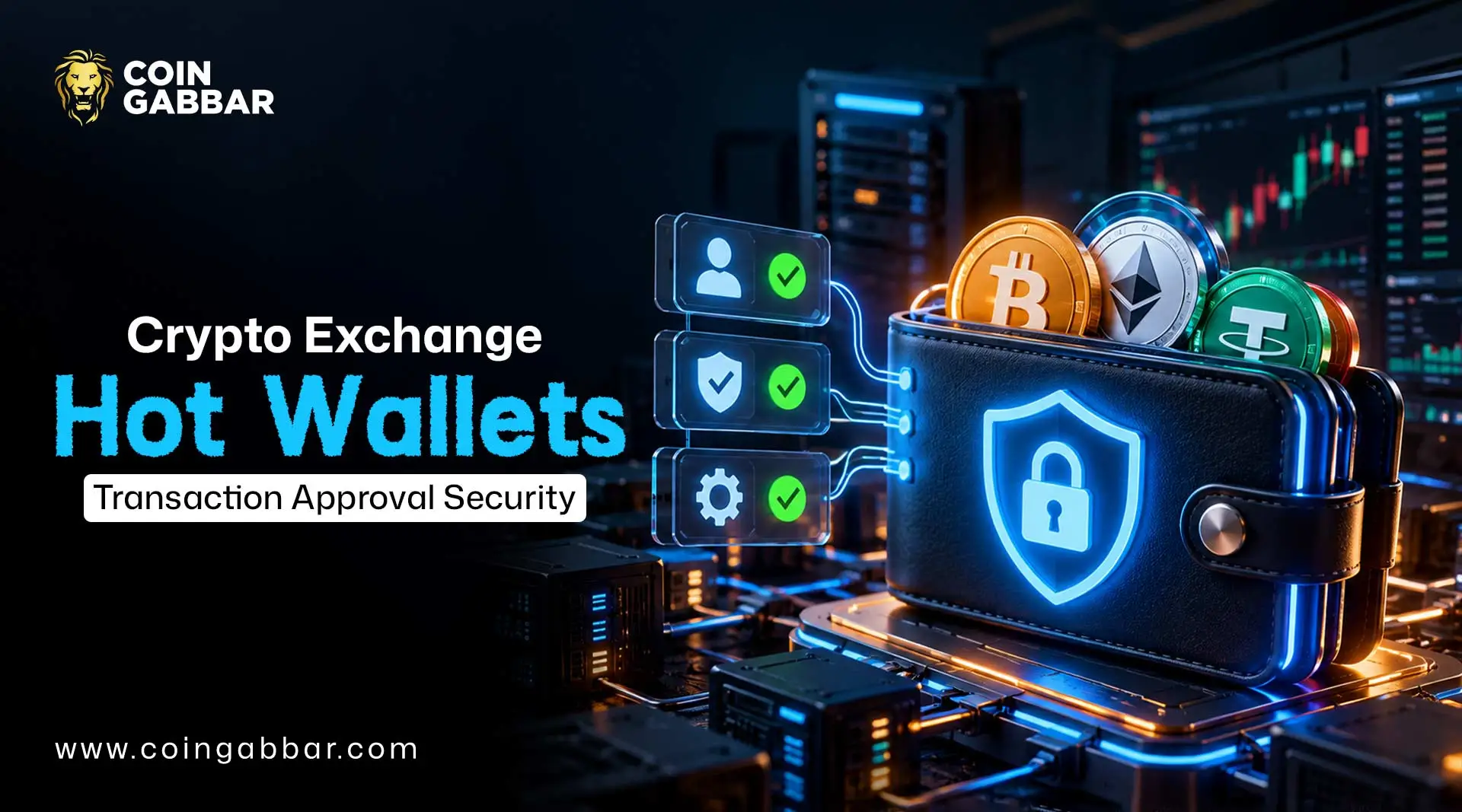
Crypto Exchange Hot Wallets: Transaction Approval Security

How Crypto Exchange Hot Wallets Control Transaction Approvals
An exchange cannot pay a withdrawal if every coin sits locked in a vault. That tension explains why Crypto Exchange Hot Wallets exist, and why attackers aim at them first.
A hot wallet keeps its private keys on a system connected to the internet. The setup gives speed, but it also creates the most exposed point in custody.
What Are Crypto Exchange Hot Wallets in Practice?
Crypto Exchange Hot Wallets hold the working balance of a trading platform. They sign withdrawal transactions quickly, so customers do not wait hours for funds to move.
Cold storage sits at the opposite end of Crypto Exchange Hot Wallets. Their keys stay offline, often inside hardware devices or guarded facilities, which makes theft harder but slows every transfer.
Exchanges therefore split funds between the two. A small share stays in Crypto Exchange Hot Wallets, and staff refill it from cold storage when balances fall too low.
The reverse also happens. A surplus in the hot balance returns to cold storage, which keeps the exposed amount near a planned ceiling.
Wallet terms are easy to mix up, so the personal side of the category, including what a hot wallet is, has a separate explanation for newcomers.
Which Types of Hot Wallets Do Exchanges Use?
Crypto Exchange Hot Wallets are rarely a single wallet. Each type handles a different job and carries different risk.
Wallet Type | Main Job | Approval Method | Main Exposure |
Deposit wallet | Receives customer deposits | Automated sweeping | Many addresses to monitor |
Withdrawal hot wallet | Pays customer withdrawals | Rules, limits, risk checks | Largest live balance |
Warm wallet | Acts as a refill buffer | Multi-person approval | Still reachable online |
Needs several keys | Set number of signatures | Signer devices and screens | |
MPC wallet | Splits one key into shares | Threshold signing | Policy engine and setup |
Wallets Run by the Exchange
Deposit wallets receive customer funds. Each customer usually gets a unique address, and scripts sweep the coins into a central wallet.
The withdrawal wallet is the busiest of all Crypto Exchange Hot Wallets. It pays requests around the clock, so it holds the largest live balance and draws attackers.
Warm wallets sit between hot and cold storage. Warm wallets stay online too, but a few extra sign-offs stand between a request and the transfer. That makes them a handy middle layer when funds move back and forth from cold storage.
Multisig and MPC wallets change how keys work. Multisig needs several separate signatures, while MPC splits one key into shares so no complete key exists in one place.
Wallets Used by Customers
Individuals run their own hot wallets too. Browser extensions suit decentralized apps, mobile apps suit daily payments, and desktop software offers more control.
The exchange account itself works as a custodial hot wallet, so the platform holds the keys and the customer holds a claim.
Ethereum's wallet documentation explains the basic split between holding keys personally and trusting a custodian.
How Do Approval Controls Protect Crypto Exchange Hot Wallets?
Most exchanges do not trust a single click. A withdrawal request passes through several checkpoints, and the aim is simple: no one person or script should be able to move a large sum alone.
The first checkpoint is usually a cap. Per-transaction and daily withdrawal limits mean that even a valid-looking approval cannot empty the full balance in one go.
Destination rules come next. Many platforms allow transfers only to pre-approved addresses, and a newly added address often waits a while before it can receive anything.
Then comes the human layer. Under multi-signature approval, several authorized signers must agree, so one stolen key cannot release funds on its own. Role separation backs this up, because the staff member who creates a transfer is not the one who approves it.
Large transfers also tend to sit in a queue for a short time. That delay gives security teams a window to cancel a request that looks wrong. Alongside it, automated software screens each request for odd amounts, unfamiliar destinations, or strange timing.
Around Crypto Exchange Hot Wallets, none of these layers is complicated by itself. The difficulty is keeping every one of them intact on a busy trading day, when speed puts pressure on the process.
Each layer looks simple on paper. The hard part is keeping all of them intact on busy trading days.
What Did the Bybit Incident Show About Approvals?
On February 21, 2025, Bybit detected unauthorized activity in one of its Ethereum cold wallets. According to the exchange, it happened during a routine transfer from a multisig cold wallet to a warm wallet.
The exchange said the transaction was manipulated through an attack that masked the signing interface. Signers saw the correct address on screen, yet the signed message changed the cold wallet's smart contract logic.
About 401,000 ETH left the wallet, and reported losses passed $1.4 billion. The exchange published an official incident update and stated that client assets stayed backed one to one.
Later forensic findings, as reported, pointed to a compromised developer machine at the wallet interface provider, not the exchange's own systems. Investigations can add facts over time.
The case matters for Crypto Exchange Hot Wallets because refills are exactly when large approvals happen. Value moves from strong storage toward weak.
How Do Regulators Limit Crypto Exchange Hot Wallets?
Some regulators set numbers for Crypto Exchange Hot Wallets instead of leaving the split to each platform. Hong Kong’s Securities and Futures Commission is probably the clearest case of a regulator putting a number on it.
Licensed platforms there are expected to hold 98% of client virtual assets in cold storage, as set out in Hong Kong’s SFC guidelines. That leaves at most 2% in hot or other storage. The regulator allows a few limited exceptions, and the rules have applied since June 1, 2023.
The same framework requires a compensation arrangement covering 100% of client assets in hot and other storage, and 50% of those in cold storage.
The structure shows how the regulator views risk. Hot storage is the most exposed layer, so its size gets a hard limit.
Other regions follow different rules, and the setup behind listed crypto exchanges can vary by jurisdiction.
Expert Analysis: Where Do Approval Controls Fail?
This section is analyst interpretation, not confirmed fact. The available evidence suggests approvals fail less often at the signature step and more often at the screen shown before it.
In the Bybit case, correct-looking details hid a changed instruction. That pushes attention toward independent checks, such as reading raw transaction data on a separate device.
The 98% and 2% split offers another useful frame for Crypto Exchange Hot Wallets. They work best as a loss budget, an amount the platform can afford to lose, rather than a convenience bucket.
What Risks Remain for Crypto Exchange Hot Wallets?
Risks start with the keys themselves. If an attacker gets hold of a signing key, the hot balance can be drained within minutes, often before monitoring tools have time to react.
A cleaner-looking threat is the signing screen. It can show harmless details while the real instruction underneath says something else, which is why approvals that rely only on a visual check are weaker than they appear.
Some danger also sits inside the company. Staff with broad access may approve harmful transfers, so activity logs matter as much as any technical safeguard.
Then there is the question of who else is involved. Wallet software, cloud services, and signing tools all sit outside the exchange, and a weakness in any of them can pass straight into custody.
Finally, outsiders find it hard to compare platforms. Exchanges describe their wallet ratios and approval rules to very different degrees, so two platforms that sound alike may run quite different setups.
Conclusion
Crypto Exchange Hot Wallets keep the working balance that lets a platform pay withdrawals on time. They come in several forms, from deposit and withdrawal wallets to multisig and MPC setups.
Approval design matters as much as storage design for Crypto Exchange Hot Wallets. The Bybit case showed that signers can approve a harmful instruction when the screen hides it.
Some points stay uncertain, including exact hot wallet ratios at most platforms and the detail of ongoing investigations. Customers weighing a platform may check custody details, proof-of-reserves reports, and licence status. Related crypto security explainers cover more custody topics.
Disclaimer:
This content is for information only and is not financial, legal, or investment advice. Crypto assets carry high risk, and exchange custody can fail. Customers should research independently and consult a licensed adviser before acting.